
Featured
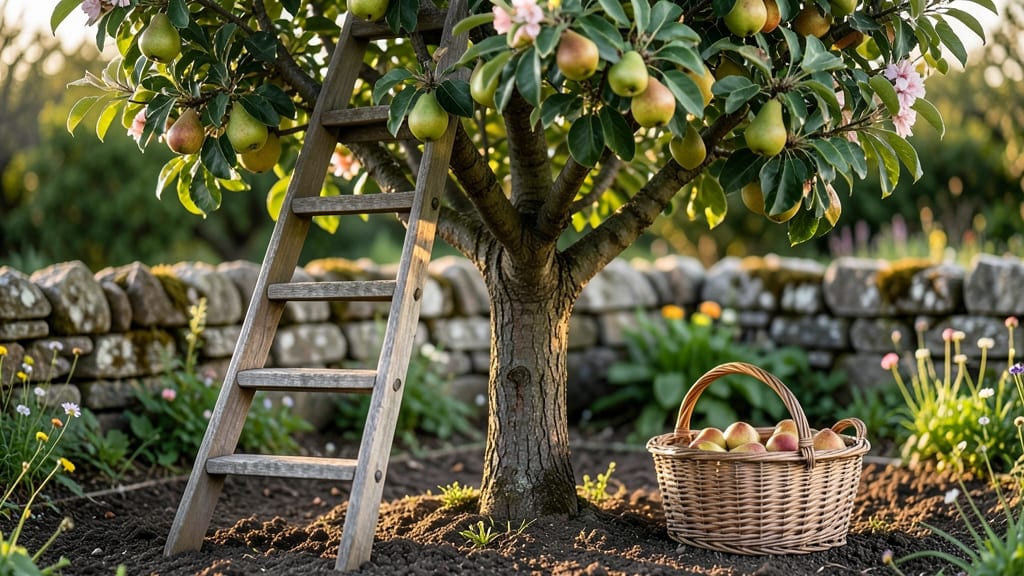
The season for Asian pears arrives in late summer and early fall—a fleeting window when grocery stores often fail to deliver their sweetest, juiciest peak.
If you’ve ever bitten into a crisp, sweet Asian pear only to find it’s rock-hard or bland, timing might be your culprit—these delicate fruits have a very specific season, and missing it means missing out on peak flavor.
From California orchards to Pacific Northwest groves, the best Asian pears arrive between August and October, when the weather coaxes out their signature balance of honeyed crunch and floral notes.
Below, I’ll break down the exact months to shop by region, how to tell when a pear is truly ripe (and what to do if it’s not), and where to find them year-round without sacrificing quality.
When are Asian pears in season by U.s. growing regions?
Timing is everything when it comes to enjoying Asian pears at their peak.
These fruits thrive in cool climates and have distinct harvest windows depending on where you live in the U.S. Missing the season means settling for imported varieties that often lack the crisp, sweet flavor of locally grown fruit.
Let’s break down the best months to find fresh Asian pears in your region.
Climate plays a huge role in when Asian pears ripen. Cooler coastal regions like the Pacific Northwest often yield fruit earlier, while warmer inland areas like California’s Central Valley may see harvests stretch later.
Grocery stores and farmers' markets also differ in timing—local markets typically offer fresher, riper fruit during peak season, while stores may carry imported pears year-round but at a lower quality.
California is the nation’s top producer of Asian pears, thanks to its Mediterranean climate. Here, harvests kick off as early as late July in coastal areas like Santa Barbara and San Luis Obispo, where cooler ocean breezes slow ripening. Inland valleys like the Central Valley see harvests peak in September and October, with temperatures staying warm enough to delay ripening until fall.
In the Pacific Northwest, Asian pears ripen earlier due to cooler summers. Washington State and Oregon orchards typically harvest between mid-August and September, with varieties like Hosui and Shinseiki being popular choices. The region’s mild summers and high humidity create ideal conditions for sweet, crisp fruit.
Farmers' markets in Seattle and Portland often feature Asian pears as early as late July, making them a seasonal highlight.
The East Coast has a shorter and later harvest window for Asian pears. New York and New Jersey orchards usually see fruit ready by late August to early September, with varieties like Kieffer and Seiki thriving in the region’s temperate climate.
However, the shorter growing season means pears ripen faster, and availability tapers off by mid-October. Grocery stores in the Northeast may carry imported Asian pears year-round, but they rarely match the flavor of locally grown fruit.
If you’re growing your own Asian pear trees, understanding your region’s climate helps predict ripening. Cooler nights and moderate days are ideal—too much heat can make pears mealy, while excessive rain may split the fruit.
In California’s Central Valley, for example, orchards often use drip irrigation to balance moisture levels and avoid over-ripening.
Grocery stores rarely stock peak-season Asian pears because they spoil quickly. Instead, visit local farmers' markets during harvest months for the freshest picks. In California, look for pears at Santa Barbara’s Farmers Market starting in August.
On the East Coast, New York’s Union Square Greenmarket often features them in September. Pro tip: Ask vendors when their pears were harvested—fruit picked just days before will taste far superior to older stock.
For those outside traditional growing regions, frozen Asian pears are a decent backup, though they lack the crisp texture of fresh fruit. If you’re craving them in winter months, seek out specialty Asian markets or order from online grocers that source from California or Washington orchards.
Just be prepared for a higher price and potentially firmer, less flavorful fruit.
Timing your Asian pear harvest right ensures you enjoy their signature crisp
How to tell when Asian pears are ripe (and how to ripen them at home)
Asian pears are a gardener's reward for patience—they ripen after harvest, unlike their European cousins. But how do you know when they're perfectly ripe? Look for these three key cues that signal peak flavor and texture.
Missing these signs often means your fruit will be too hard or mealy when you finally eat it.
First, check the skin color. Ripe Asian pears develop a deep, uniform hue—either golden yellow or bright green, depending on the variety. Avoid fruits with uneven patches or pale spots, as these are often underripe.
The skin should also feel smooth and slightly waxy, not rough or dry.
Next, give the pear a gentle squeeze. A ripe Asian pear yields slightly to pressure—like a ripe avocado—without feeling mushy. If it's rock-hard, it needs more time. Overripe pears, on the other hand, will feel soft and squishy, with a fermented scent that’s unmistakable.
- 🍐 Color: Deep yellow or green, no pale patches
- 🤏 Texture: Yields slightly to touch, not hard or mushy
- 👃 Scent: Sweet, subtle aroma near stem (no fermented smell)
- 🌡️ Temperature: Room temp (68-72°F) ripens fastest
- ✂️ Stem Check: Separates cleanly from branch
If your Asian pears are firm and unyielding, don’t toss them! These fruits ripen off the tree, and you can speed up the process with ethylene gas, the same natural hormone that ripens bananas.
Place the pears in a paper bag with an apple or banana (both produce ethylene). Seal the bag loosely and store at room temperature for 3-5 days.
For a countertop method, store pears in a single layer on your kitchen counter (not the fridge!). Check them daily—they should ripen in 5-7 days. Avoid refrigerating until fully ripe, as cold temperatures stop the ripening process and can dull their flavor.
Once ripe, store them in the fridge for up to 2 weeks.
Pro tip: Never cut into an unripe Asian pear—it’ll taste bland and grainy. Wait for that slight give, and you’ll be rewarded with a crisp, honey-sweet bite that’s worth the wait. 🍐