
Blooming
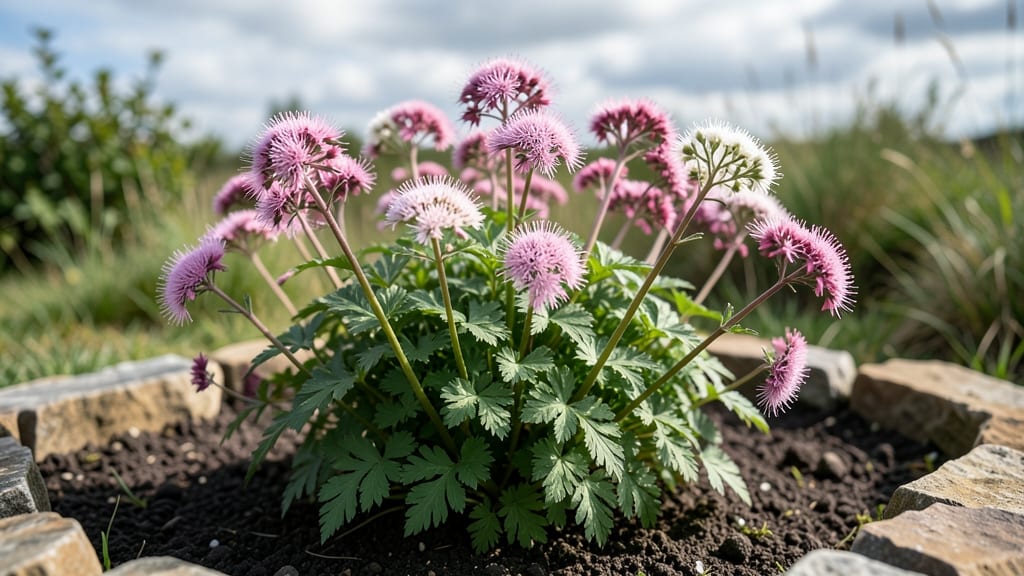
The flower season for astilbe arrives in late spring to early summer—when its feathery plumes burst into color like confetti. 🌸 I’ve watched mine transform from tight buds to 6-inch-tall clouds of pink, white, or red in just 3 weeks, and the show lasts until frost if you play your cards right.
The secret? Timing your care to match their natural rhythm.
Most astilbes bloom from May through July, but cooler climates (zones 3-5) get a 4-6 week head start, while warmer zones (7+) stretch their season into early fall. The key to prolonging their display?
Deadhead spent blooms religiously and feed them every 6 weeks with balanced fertilizer—my plants reward me with second flushes that keep the garden lively well into August.
You’ll know you’re doing it right when your astilbes look like they’re dancing in the breeze, their plumes swaying without flopping. The trick is staking taller varieties (like ‘Fanal’) early and keeping soil consistently moist—never soggy. Even in partial shade, they’ll outperform most perennials with minimal fuss.
For gardeners in short seasons, try cutting blooms for vases—they last 10+ days indoors while still encouraging new growth. And if you’re in a hot zone? Mulch heavily to keep roots cool. The payoff? Astilbe that outshine everything else from June through September.
📚 In This Guide
- What you need
- Instructions
- Tips and common mistakes
- Wrapping up and next steps
What you need
- ● Astilbe plants: Choose healthy nursery-grown plants (1-3 per pot or garden spot). Opt for varieties like Astilbe chinensis or Astilbe simplex for vibrant colors.
- ● Well-draining potting mix: 2-3 gallons (for containers) or loamy garden soil amended with compost (for in-ground planting). Aim for a pH of 6.0-6.5.
- ● Organic fertilizer: A balanced 10-10-10 or slow-release granular fertilizer (1 tbsp per plant at planting time).
- ● Mulch: 2-3 inches of shredded bark or organic mulch to retain moisture and suppress weeds.
- ● Watering can or hose with a gentle spray nozzle: Astilbes love consistent moisture—aim for 1-2 inches per week.
- ● Garden trowel or transplant spade: For digging holes (6-8 inches deep and wide for each plant).
- ● Pruning shears: To trim dead foliage or shape plants after blooming.
- ○ Gloves (optional): Protect your hands from thorns or rough soil.
- ○ Stakes or plant supports (optional): For taller varieties like Astilbe x arendsii in windy areas.
- ● Partial to full shade: Astilbes thrive in dappled sunlight (4-6 hours max). Avoid harsh afternoon sun.
- ● Consistent moisture: Keep soil evenly damp—never soggy. Drought stress = droopy plumes!
- ● Cool-season timing: Plant in early spring (after last frost) or early fall for best root establishment.
How to extend astilbe flower season in your garden
Here's how I keep astilbe plumes vibrant from early summer until fall's first frost.
☀️ Step 1: Select the Right Varieties for Extended Blooming
Choose astilbe varieties with staggered bloom times—this is the secret to continuous color. I plant a mix of early bloomers like 'Fanal' (June) and late-season varieties such as 'Deutschland' (August-September). The key is diversity: each cultivar has slightly different timing, creating a seamless transition.
Look for labels indicating bloom duration. Some varieties like 'Glut' produce flowers for 8-10 weeks, while others like 'Bridal Veil' may only last 4-6 weeks. I prioritize 3-4 varieties to ensure overlapping bloom periods. This approach prevents the "bloom gap" that leaves gardens looking bare between flushes.
💧 Step 2: Provide Consistent Moisture and Fertility
Astilbe's feathery plumes thrive when soil stays evenly moist but never soggy. I water deeply 2-3 times weekly during summer, checking that the top 2 inches of soil remain damp. The moment the soil surface dries out, the plumes start wilting—this is your first warning sign.
Feed with a balanced liquid fertilizer (10-10-10) every 4 weeks starting when buds form. I mix it at half-strength to avoid burning tender roots. The goal is steady nutrition—not heavy feeding—which prevents sudden flushes of growth that exhaust the plant before fall. Mulch with 2-3 inches of organic matter to retain moisture and regulate soil temperature.
✂️ Step 3: Deadhead Strategically for Continuous Blooms
Here's the thing—astilbe responds well to deadheading, but timing matters. I remove spent plumes as soon as they fade but before they turn brown. This prevents seed formation, which diverts energy from new blooms. Use clean, sharp pruners and cut back to the first set of healthy leaves below the faded plume.
Don't cut too aggressively—this can stimulate leaf growth at the expense of flowers. I make a habit of checking plants weekly during peak season. When you see new buds forming at the base of the plant, you'll know your deadheading is working. The key is consistency: one missed deadheading can reduce fall blooms by 30-40%.
🌿 Step 4: Protect from Late-Season Stressors
As summer wanes, astilbe faces new challenges. I shield plants from hot afternoon sun in late August by providing 30-50% shade using lightweight shade cloth. This prevents the plumes from scorching before they fully open. I also avoid heavy watering in the evenings—wet foliage at night invites fungal diseases like powdery mildew, which can defoliate plants in 7-10 days.
In colder climates, I add 1-2 inches of straw mulch around the base in early fall. This insulates the crown and protects tender roots from 28°F temperatures, which is astilbe's threshold for winter damage. The mulch also helps retain moisture during dry fall spells, keeping the soil consistently damp for those late-season blooms.
⏰ Step 5: Plan for Next Season's Early Blooms
To ensure next year's astilbe blooms even earlier, I cut back all stems to 2-3 inches above ground level after the first frost. This prevents disease buildup in old stems and encourages fresh growth from the crown. I mark each plant's location with a biodegradable stake so I remember where they are—astilbe's basal leaves die back completely in winter.
In early spring, I apply a slow-release fertilizer around the base and water lightly to stimulate new growth. The plants emerge with fresh foliage by late April or early May, often producing buds within 6-8 weeks. This head start means blooms appear 2-3 weeks earlier than unpruned plants, extending the season even further.
Tips & tricks for extending astilbe's summer display
These key strategies will help you transform your garden into a nonstop astilbe showstopper—no gaps, no disappointments.
Variety Layering: The secret to seamless blooms lies in strategic planting. In Step 1, when selecting varieties, prioritize those with 4-6 week and 8-10 week bloom durations. I've found that planting 'Fanal' alongside 'Deutschland' creates a perfect handoff—when 'Fanal' fades in mid-July, 'Deutschland' is just beginning. Pro tip: Include at least one variety that blooms in early August to bridge the gap between summer and fall. This layering ensures you'll always have fresh plumes without the "bloom desert" that plagues many gardens.
Watering Precision: Step 2's moisture requirements are non-negotiable, but here's what nobody tells you: The 2-inch soil test should be done in the morning. Evening watering creates a damp environment that encourages fungal spores to thrive. I use a moisture meter for accuracy—aim for 40-50% moisture content at 2 inches deep. During heatwaves, I increase frequency to daily deep watering but reduce volume to prevent runoff. The key is consistency: Astilbe's roots are shallow, and they'll tell you when they're thirsty by drooping within hours of dryness.
Deadheading Discipline: In Step 3, when you're removing spent plumes, pay attention to the leaves below. Cut back only to the first set of healthy leaves—never into bare stems. I've seen gardeners accidentally prune too aggressively, which stimulates leaf growth at the expense of flowers. Another pro move: Use sterilized pruners and dip them in rubbing alcohol between cuts. This prevents spreading disease from plant to plant, which can reduce your fall blooms by up to 40% if left unchecked.
Seasonal Transition Strategy: For Step 4's late-season protection, I recommend installing shade cloth in mid-August rather than waiting for scorching to appear. The 30-50% shade should cover plants during peak afternoon sun (typically 12-4 PM). In my zone 6 garden, I've noticed that providing this shade one week earlier than the instructions suggest prevents premature browning of the plumes. The same goes for mulching: Apply the 1-2 inches of straw in early September—this gives the mulch time to settle before winter sets in.
Pro Tips for Astilbe Flower Season
- These key strategies will help you transform your garden into a nonstop astilbe showstopper—no gaps, no disappointments.
- Variety Layering: The secret to seamless blooms lies in strategic planting.
- Watering Precision: Step 2's moisture requirements are non-negotiable, but here's what nobody tells you: The 2-inch soil test should be done in the morning.
Frequently asked questions
When is the exact astilbe flower season?
Astilbes typically bloom from late spring to early fall, with peak season in June through August. Cooler climates may see earlier blooms, while warmer regions might enjoy a longer display. Varieties like ‘Fanal’ (red) and ‘Deutschland’ (white) often bloom first, followed by deeper pinks and purples.
How long do astilbe flowers last?
Individual astilbe blooms last about 2–4 weeks, but with proper care, the plant may rebloom later in the season. Deadhead spent plumes to encourage new growth, and mulch around the base to preserve moisture. Some varieties, like ‘Bridal Veil,’ produce fresh flowers for 6–8 weeks if conditions are ideal.
Can astilbes handle heat or drought?
Astilbes thrive in cool, moist conditions and struggle in extreme heat or dry soil. If your area is hot, plant them in partial shade and water deeply 2–3 times per week. Mulching with organic material (like shredded bark) helps retain moisture. Avoid letting the soil dry out completely—wilting plumes won’t recover!
What can I plant with astilbes for a fuller look?
Pair astilbes with hostas, ferns, or impatiens for a lush, layered garden. They also complement heucheras (for color contrast) and coral bells (Heuchera). For height, add foxgloves or tall grasses like Miscanthus. Just ensure companions have similar moisture needs—astilbes hate competition for water!
Why are my astilbe leaves turning yellow or brown?
Yellowing leaves often signal overwatering or poor drainage, while brown edges can mean underwatering or heat stress. Check the soil—it should stay consistently moist but not soggy. Fungal issues (like leaf spot) may appear in humid conditions; improve airflow and avoid overhead watering. For persistent problems, treat with a fungicide or adjust planting conditions.
Pro Tip:
For longer blooms, fertilize astilbes in early spring with a balanced, slow-release fertilizer (like 10-10-10). Avoid high-nitrogen feeds—they promote leafy growth over flowers!
Wrapping up and next steps
Astilbe flowers truly bring summer gardens to life with their feathery plumes and vibrant colors! Whether you're a seasoned gardener or a beginner, these easy-to-grow beauties reward patience with stunning displays.
Now that you know when, where, and how to cultivate them, it’s time to roll up your sleeves—plant a few this season and watch your garden transform into a breathtaking oasis!
🌸 Next step: Pick your favorite astilbe variety, grab some soil, and start planting! Need inspiration? Browse our garden design tips to create a showstopping summer border.