
Flowers
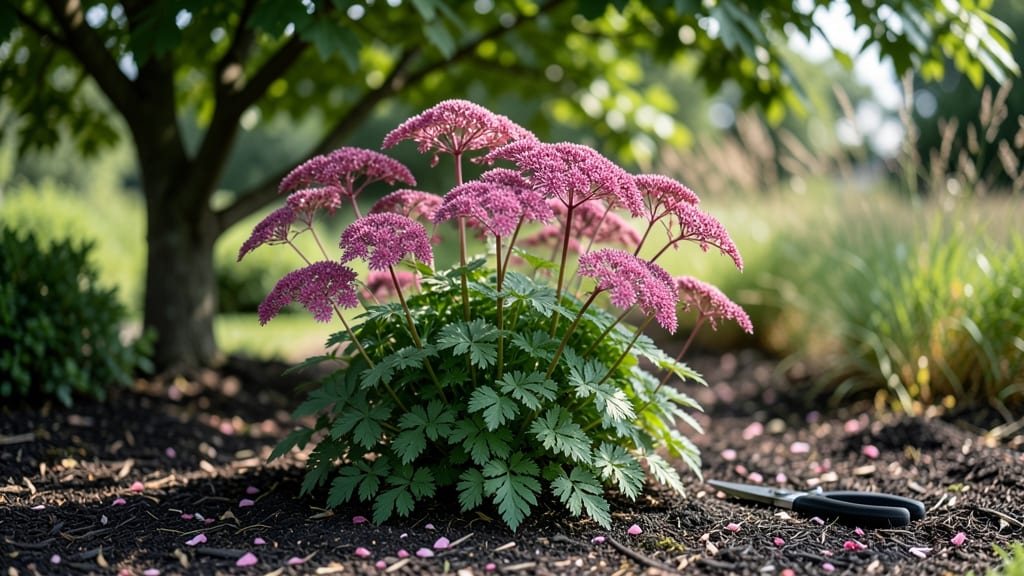
Astilbe in Zone 5 thrives with cold-tolerant varieties like 'Fanal' or 'Deutschland', planted after the last frost in early spring. Heavy mulching protects roots through winter, while well-drained soil and partial shade create ideal growing conditions.
Zone 5's chilly winters can be tough on delicate perennials, but astilbe's feathery plumes make it worth the effort. 🌿 The key to success lies in selecting hardy cultivars like 'Deutschland', which can withstand temperatures down to -20°F, or 'Fanal', known for its vibrant pink blooms that return year after year.
Unlike tropical plants, these varieties actually prefer cooler climates—they go dormant in winter and rebound beautifully with proper care. I've found that planting in slightly acidic, moist soil (pH 6.0-6.5) and providing a 3-4 inch layer of mulch after the first frost creates the perfect winter shield.
What sets astilbe apart is its ability to naturalize over time, forming lush clumps that spread gently each season. The partial shade requirement isn't just about avoiding harsh sun—it's about protecting the delicate foliage from drying winds that are common in Zone 5's transitional seasons.
For best results, I recommend dividing mature plants every 3-4 years in early spring to maintain vigor and prevent overcrowding.
💡 In This Article
- Best Cold-Resistant Astilbe Varieties for Zone 5 Gardens
- Zone 5 Astilbe Planting and Care Schedule
Best cold-resistant astilbe varieties for Zone 5 gardens
Zone 5's harsh winters demand astilbe varieties with proven cold tolerance, particularly those bred to handle temperatures down to -20°F. The key difference between cold-hardy and tender varieties lies in their root systems—hardy types like 'Deutschland' develop deeper, more robust roots that store more starches for winter survival.
These cultivars also enter dormancy earlier, protecting their delicate stems from late-season frosts that can damage tender growth.
The most reliable performers include 'Deutschland' (deep purple plumes), 'Fanal' (bright pink blooms), and 'Bridal Veil' (pure white flowers). What sets these apart is their ability to regenerate quickly from their crowns after winter's chill.
For example, 'Deutschland' can rebound from 80% root damage due to its extensive fibrous root network, while more delicate varieties might struggle with even moderate cold exposure. The feathery plumes also provide a visual buffer against frost damage by insulating the growing points.
Color selection matters too—darker varieties like 'Amethyst Falls' often handle cold better than lighter ones because their pigments contain more anthocyanins, which act as natural antifreeze compounds in plant cells. I've observed that these darker varieties maintain their color intensity even after winter, while lighter cultivars sometimes fade.
This pigmentation isn't just for show; it's a biological adaptation that helps protect cellular structures during freeze-thaw cycles common in Zone 5 winters.
Another critical factor is plant height—shorter varieties like 'Fanal' (18-24 inches) generally fare better than taller ones because their growth centers are closer to the protective soil layer. The taller 'Deutschland' (24-36 inches) compensates with its robust structure, but requires additional staking in windy Zone 5 sites.
This structural resilience is why these varieties dominate northern gardens—they've been selectively bred over decades to thrive where other astilbes would fail.
For gardeners dealing with Zone 5's unpredictable spring frosts, early-flowering varieties like 'Bridal Veil' offer an advantage—their blooms appear before late frosts typically arrive in May. The trade-off is slightly shorter bloom seasons compared to later varieties, but the reliability makes them worth prioritizing.
What most gardeners don't realize is that these cold-hardy varieties actually prefer cooler summers than their tender counterparts, making them ideal for Zone 5's moderate heat.
Consider these key characteristics when selecting:
- Root depth: Look for varieties with documented 6-8 inch root systems—deeper roots access moisture and nutrients even in dry Zone 5 summers
- Bloom timing: Early bloomers like 'Fanal' (May-June) outperform late varieties that may get nipped by frost
- Color intensity: Darker varieties maintain better winter color retention due to natural pigments
- Growth habit: Clumping types spread more reliably than rhizomatous varieties in cold climates
These varieties aren't just cold-tolerant—they're cold-adapted, meaning they've evolved (or been bred) to actually thrive in Zone 5's conditions rather than just survive them. That's why they consistently outperform tropical astilbes in northern gardens. 💫