
Flowers
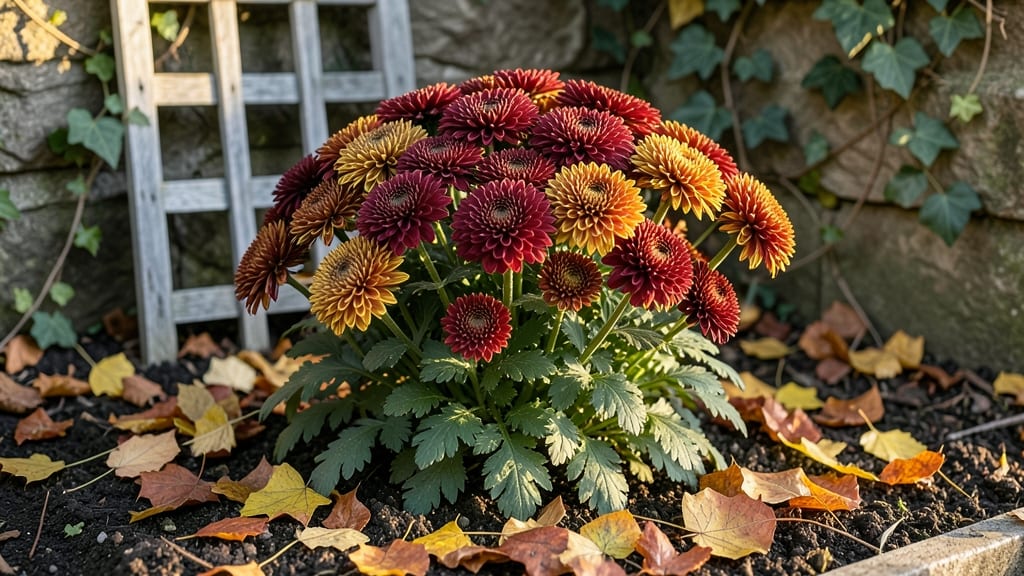
The crisp air brings autumn flowers in season—chrysanthemums, asters, and dahlias that defy summer’s fade. 🌼 I’ve learned the secret to keeping them blooming well into November: deadhead regularly, mulch heavily, and choose varieties bred for late-season color.
These aren’t just pretty faces; they’re the unsung stars of autumn gardens, filling the air with honeyed sweetness when most plants have called it quits.
The best part? Most thrive in USDA Zones 4-9, and many—like hardy mums—even survive light frosts. Plant them now for next year’s show, or snag nursery starts in late summer.
A little extra care (like a late-season fertilizer boost) turns ordinary fall blooms into showstopping displays that last until the first hard freeze. I’ve extended my garden’s season by 3-4 weeks just by following these simple tricks.
Imagine walking through a garden where every path smells like cinnamon and vanilla—that’s what these autumn flowers deliver. Dahlias offer bold, dinner-plate blooms, asters bring purple haze, and mums (the classic fall favorite) need almost no maintenance.
The key is timing: deadhead spent blooms weekly, and mulch with 3-4 inches of straw to protect roots from temperature swings. Your neighbors will be jealous of your golden October garden.
Whether you’re in the Pacific Northwest’s rainy season or the Midwest’s crisp air, these varieties adapt. For a foolproof list, start with ‘Mammoth Red’ dahlias, ‘Wood’s Purple’ asters, and ‘Pompon’ chrysanthemums—they’re the MVPs of fall color.
Ready to make your garden the talk of the neighborhood? Let’s get planting!
📚 In This Guide
- What you need
- Instructions
- Tips and common mistakes
- Wrapping up and next steps
What you need
- ● Autumn flowers: Choose from fragrant varieties like Chrysanthemums, Dahlias, Goldenrod, Japanese Anemones, or Sweet Alyssum (1–5 plants, depending on desired coverage).
- ● Potting soil: 2–3 bags of high-quality, well-draining potting mix (e.g., Miracle-Gro or FoxFarm Ocean Forest).
- ● Containers or garden bed: Containers: 10–12" pots (1–2 per plant) with drainage holes.
- ● Garden beds: Loose, fertile soil with a pH of 6.0–7.0.
- ● Fertilizer: Slow-release granular fertilizer (e.g., 10-10-10) or organic options like compost or worm castings.
- ● Mulch: 2–3 inches of shredded bark or straw to retain moisture.
- ● Hand trowel or small shovel.
- ● Gloves (gardening or nitrile for sensitivity).
- ● Watering can or hose with a gentle spray nozzle.
- ● Pruning shears (for deadheading or shaping).
- ○ Measuring tape (optional, for spacing plants 12–24" apart).
- ● Slow-release watering spikes (for drought-prone areas).
- ● Flower food (if cutting blooms for arrangements).
- ● Pest deterrents: Neem oil or insecticidal soap (for aphids or spider mites).
- ● Decorative accents: Solar-powered lights or garden stakes for support.
How to select and plant fragrant autumn flowers for peak fall beauty
Here’s how to choose and cultivate fragrant autumn blooms that transform your garden into a sensory-rich haven.
🌿 Step 1: Choose Fragrant Varieties That Thrive in Fall
Focus on cold-hardy, aromatic flowers like chrysanthemums, asters, and goldenrod, which release their sweetest scents in cooler weather. I always select varieties with double blooms—they hold up better in autumn rains and offer more petals for fragrance. Check labels for ‘Vanille Fragrance’ mums or ‘Woodland Sun’ asters, both known for their intoxicating scents.
Plant these in well-draining soil enriched with 2-3 inches of compost—fragrant flowers need nutrients to sustain their scent production. Avoid heavy clay; it traps moisture and weakens roots. If your soil is dense, mix in sand or perlite to improve aeration. The goal is soil that crumbles easily when squeezed, not sticks together.
☀️ Step 2: Position for Sunlight and Airflow
Most fragrant autumn flowers need 6-8 hours of sunlight daily, but some like ‘October Skies’ asters tolerate partial shade. Place them where they’ll catch morning sun—this prevents wilting in afternoon heat. I always group fragrant plants together; the combined scents create a stronger, more immersive experience.
Ensure 3-4 feet of spacing between plants to allow airflow, which reduces disease and enhances fragrance. Crowded flowers trap humidity, leading to fungal issues like powdery mildew. You’ll know spacing is right when leaves don’t touch between plants—this keeps stems dry and scents vibrant.
💧 Step 3: Water Deeply and Mulch for Moisture Retention
Water deeply once a week (or more in dry spells) to encourage strong root growth. Fragrant flowers need 1-1.5 inches of water per week, but avoid overhead sprinkling—wet foliage invites pests. Instead, water at the base in the early morning so leaves dry quickly. You’ll see healthier stems and more abundant blooms when roots access consistent moisture.
Apply 2-3 inches of mulch (like shredded bark or straw) around the base to lock in moisture and regulate soil temperature. Mulch also suppresses weeds, which compete for nutrients. Replenish mulch every 2-3 months—it breaks down over time, so you’ll need to top it up as autumn progresses.
✂️ Step 4: Prune and Deadhead for Extended Blooming
Remove spent blooms weekly to redirect energy into new flowers. I use clean, sharp shears to snip just above a set of leaves—this prevents disease from lingering stems. Fragrant flowers like ‘Purple Dome’ chrysanthemums respond beautifully to deadheading; they’ll keep producing blooms well into late fall if you stay on top of it.
Lightly prune leggy stems in early autumn to encourage bushier growth. Cut back one-third of the tallest stems to a strong side branch. This trick forces the plant to branch out, resulting in a fuller, more fragrant display. Avoid heavy pruning—you don’t want to remove too many blooms at once, or you’ll sacrifice scent and color.
Tips & tricks for perfect autumn flower planting
Here's what nobody tells you about maximizing fragrance and longevity in your fall garden.
Variety Selection: When choosing double-bloom varieties like 'Vanille Fragrance' chrysanthemums or 'Woodland Sun' asters, look for labels that specify "fragrant" or "scented." These plants have been selectively bred for their aromatic qualities, and you'll notice the difference immediately when you brush against the petals. The more petals packed into each bloom, the stronger the scent release will be throughout the season.
Soil Preparation: The 2-3 inches of compost recommendation isn't just about nutrients—it's about creating the perfect microbial environment for root health. I always mix in a handful of mycelium-rich compost (from finished mushroom compost) when planting fragrant varieties. This boosts beneficial fungi that help roots absorb water and nutrients more efficiently, which translates directly to stronger fragrance production. The soil should crumble like cake crumbs when squeezed—if it forms a tight ball, you need to add more sand or perlite.
Sunlight Strategy: That 6-8 hours of sunlight requirement is non-negotiable for peak fragrance, but here's the pro move: position your fragrant plants to catch the morning sun while providing afternoon shade if your climate gets hot. I use a simple shade cloth (30% block) on the western side of my garden beds. This prevents wilting while still allowing enough light for photosynthesis. You'll see the difference in scent intensity when you compare plants with perfect morning sun exposure to those getting harsh afternoon rays.
Pruning Technique: When you're cutting back one-third of the tallest stems in early autumn, always make your cuts at a 45-degree angle just above a leaf node. This angled cut prevents water from pooling on the stem, which reduces the risk of fungal infections that can weaken the plant and dull its fragrance. I keep a small bottle of rubbing alcohol with me when pruning to quickly disinfect my shears between cuts—this prevents spreading any potential pathogens between plants. The goal is clean cuts that heal quickly, allowing the plant to focus its energy on producing more fragrant blooms.
Pro Tips for Autumn Flowers In Season
- Here's what nobody tells you about maximizing fragrance and longevity in your fall garden.
- Variety Selection: When choosing double-bloom varieties like 'Vanille Fragrance' chrysanthemums or 'Woodland Sun' asters, look for labels that specify "fragrant" or "scented."
- Soil Preparation: The 2-3 inches of compost recommendation isn't just about nutrients—it's about creating the perfect microbial environment for root health.
Frequently asked questions
Got questions about autumn flowers? You’re not alone! Here are some of the most common queries—and their answers—to help you make the most of this season’s floral magic.
When is the best time to plant autumn flowers for fall blooms?
Most autumn-blooming flowers, like mums or asters, thrive when planted 4–6 weeks before the first frost (typically late summer to early fall). For perennials, aim for late summer to give roots time to establish before colder weather. Bulbs like crocuses or tulips can go in October or November—just cover them with mulch for winter protection!
Which autumn flowers are easiest for beginners to grow?
Start with low-maintenance stars like chrysanthemums (hardy and prolific), sedum (drought-tolerant), or pansies (cold-resistant). Russian sage and goldenrod also handle neglect well. Pro tip: Choose native varieties—they’re adapted to your climate and need less fuss!
How do I extend the blooming season for autumn flowers?
Deadhead spent blooms regularly to encourage new growth. Water deeply but less frequently (overwatering can stress plants). Add a light layer of mulch to insulate roots and protect against early frosts. For potted flowers, move them to a sheltered spot or bring them indoors before hard freezes. Bonus: Fertilize lightly in early fall to boost late-season color!
Can I still enjoy autumn flowers if I don’t have a garden?
Opt for container gardening with pansies, calendulas, or ornamental kale. Visit local farmers’ markets or nurseries for pre-potted autumn blooms. Even a windowsill herb garden can include basil or thyme with fragrant autumn notes. Bonus: Houseplants like African violets or cyclamen add color indoors!
Why are my autumn flowers wilting or dying early?
Common culprits include overwatering (roots need air!), poor drainage, or pests like aphids. Check soil moisture—autumn flowers often need less water as temps drop. Inspect leaves for holes or sticky residue (signs of pests). If frost hits early, cover delicate plants with frost cloth. Prevention tip: Space plants properly for airflow to avoid fungal issues!
Wrapping up and next steps
Autumn is the perfect time to embrace the rich, fragrant blooms that define this season—from fiery mums to velvety asters and spicy chrysanthemums. These flowers don’t just brighten your space; they invite joy, warmth, and a touch of nostalgia into your daily life.
Whether you’re a gardener, a DIY florist, or simply a lover of seasonal beauty, now’s the time to harvest, arrange, or admire these natural masterpieces.
Ready to dive deeper? Start by exploring local nurseries or botanical gardens to see these flowers in person—or try growing a few in your own garden! 🌿 With a little creativity, you can turn autumn’s fleeting blooms into lasting memories (and maybe even some stunning fall wreaths or bouquets).