
Plants
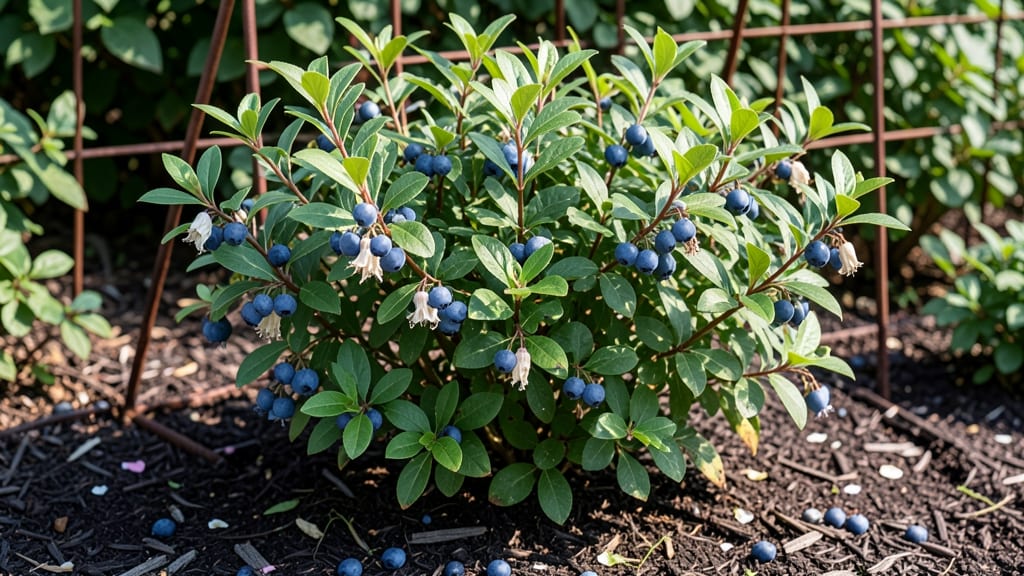
Blueberry plants grow best in USDA hardiness zones 3 through 9, but their success varies by type—northern highbush (zones 4-7), southern highbush (zones 5-9), and rabbiteye (zones 6-9). Local climate factors like winter chill hours and summer heat can push these ranges further.
Understanding your blueberry plant's USDA zone compatibility starts with recognizing that these zones are just a baseline.
For example, northern highbush varieties need 400-900 chill hours to set fruit properly, while rabbiteye types thrive with 300-600 chill hours—so even if you're in zone 7, a northern highbush might struggle without extra winter protection. 🌱 The key is matching your variety to your region's specific climate patterns, not just the zone number.
Many gardeners successfully grow blueberries outside their "ideal" zones by using microclimate adjustments. A south-facing slope can add 5-10°F of warmth in winter, while a windbreak can shield plants from harsh cold snaps.
Container gardening also offers flexibility—you can move pots to sheltered spots during frost or bring them indoors during extreme cold snaps.
💡 In This Article
- Blueberry Plant Hardiness by Variety and Chill Requirements
- Extending Blueberry Plant Zones with Microclimate Hacks
Blueberry plant hardiness by variety and chill requirements
The USDA zone labels for blueberries are just a starting point—the real story lies in how each variety handles winter chill hours and summer heat stress. Northern highbush types, like 'Bluecrop' or 'Patriot,' need 400-900 chill hours (below 45°F) to break dormancy and set fruit.
Without enough cold, buds may fail to open, leaving you with sparse harvests even in zone 6. 🌡️ These varieties also struggle in zones 8-9 because summer temperatures above 90°F can cause heat stress, leading to leaf scorch and reduced yields.
Southern highbush blueberries, such as 'O'Neal' or 'Climax,' adapt better to warmer climates (zones 5-9) because they require fewer chill hours—typically 200-500 hours. Their secret? They evolved in milder coastal regions where winters are less severe.
However, they still need some cold exposure to flower properly. In zone 4, a southern highbush might produce fewer berries because it didn't get enough winter chill, even if the zone "matches."
Rabbit-eye varieties, like 'Tifblue' or 'Premier,' are the heat lovers of the blueberry world, thriving in zones 6-9 with 300-600 chill hours. Their thick, waxy leaves help them retain moisture in hot climates, but they can't handle frost.
In zone 5, rabbit-eyes often need winter protection like mulch blankets or frost cloths to survive. The irony? Some gardeners in zone 7 plant rabbit-eyes but forget they need summer shade—direct sun can bake the soil, stressing roots and reducing fruit quality.
Here's the catch: USDA zones don't account for microclimates. A blueberry bush in a sheltered valley might thrive in zone 5, while one on a windy hilltop could fail despite being in zone 6. Even within a zone, elevation changes can shift temperatures by 5°F per 1,000 feet.
For example, a zone 6 garden at 3,000 feet might feel more like zone 5, while a lowland area could mimic zone 7 conditions. 🌿
Chill hours matter more than zones for fruit production. A northern highbush in zone 7 with 800 chill hours will perform better than one in zone 5 with only 300 chill hours.
Track your local chill hours using a weather station or online tools like the USDA Plant Hardiness Zone Map. If you're in a marginal zone, consider hybrid varieties like 'Top Hat' (southern highbush) or 'Duke' (northern highbush), bred for broader adaptability.
One common mistake is assuming a zone 6 plant will thrive in zone 6 without checking chill hours. For instance, 'Jersey' blueberries (a northern highbush) need 600-900 chill hours, so they might struggle in zone 6 areas with only 400 hours.
Always cross-reference zone labels with your local climate data—it's the difference between a bountiful harvest and a sad, leafy bush with no berries. 🍇