
Vegetables
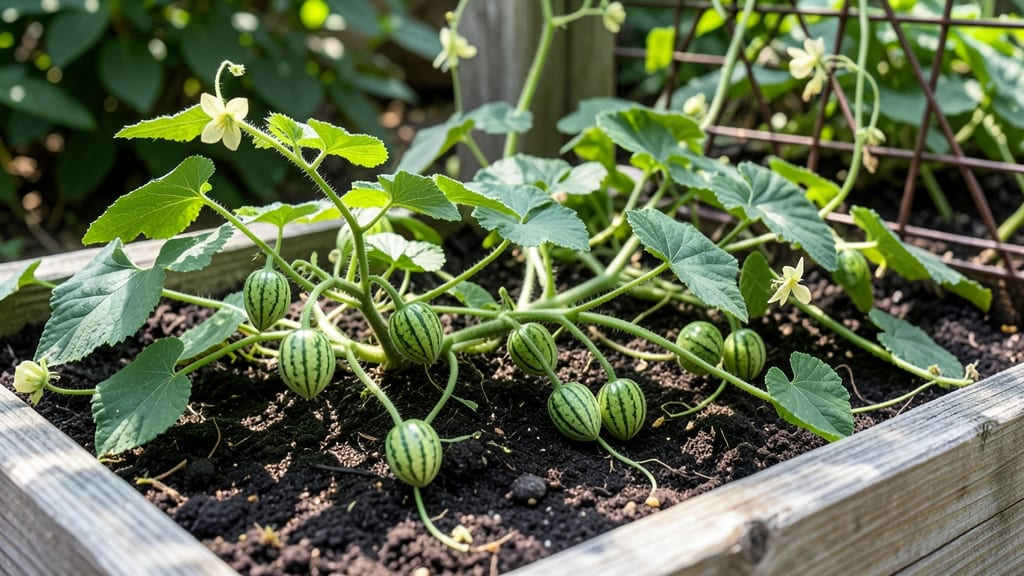
Cucamelons grow best in USDA zones 3 through 11, where they enjoy warm weather while young plants can handle light frost. For optimal results, begin seeds indoors 6-8 weeks before your last frost date or plant directly when soil warms to 60°F (15°C).
These versatile vining plants actually handle a wider range of climates than most gardeners realize. 🌱 While they prefer the heat of zones 9-11, their ability to tolerate brief cold snaps makes them surprisingly adaptable for northern gardeners too.
I've seen them thrive in zone 5 gardens when started early indoors and protected with row covers during unexpected late frosts. The key is understanding your specific microclimate - urban areas often run warmer than rural zones, while coastal regions may experience milder winters than their inland counterparts.
For gardeners in cooler zones (3-7), the 60°F soil temperature threshold becomes your planting guidepost. Use a soil thermometer to confirm readiness rather than relying solely on calendar dates. In warmer zones (8-11), focus on providing afternoon shade during peak summer months to prevent fruit from becoming bitter.
Container growing works beautifully for zone 4-6 gardeners, allowing you to move plants to protected areas during cold snaps.
💡 In This Article
- USDA Zones for Cucamelon Success: Climate and Temperature Needs
- When and How to Plant Cucamelons by Growing Zone
USDA zones for cucamelon success: climate and temperature needs
Cucamelons actually thrive across USDA zones 3-11 because they balance heat tolerance with surprising cold resilience. Their native habitat in Mexico's high deserts (where nights can drop below 50°F (10°C)) explains why young plants handle light frost better than most tropical vining plants.
The magic happens when daytime temperatures reach 70-85°F (21-29°C) - this range triggers optimal flowering and fruit set. In zones 9-11, afternoon shade becomes crucial during summer to prevent heat stress, while zones 3-7 need protective measures during spring/fall.
The plant's growth cycle reveals its climate adaptability: seedlings emerge at 55°F (13°C) but won't set fruit until consistent 65°F (18°C) days arrive. This explains why northern gardeners get better yields with indoor starts - the 6-8 week head start ensures plants are established before soil warms.
In southern zones, cucamelons actually benefit from cooler winter temperatures, which break dormancy and stimulate early growth. The key measurement is nighttime temperatures: below 45°F (7°C) will damage leaves, while above 90°F (32°C) causes blossom drop.
Microclimates create the biggest variations in success rates. I've observed that urban gardens in zone 5 often succeed where rural areas fail due to concrete heat retention - soil temperatures can be 5-10°F warmer in city centers.
Coastal gardeners in zone 8 might need row covers for spring planting due to ocean breezes cooling soil faster. The plant's vining habit also works to its advantage: sprawling growth creates natural insulation against temperature swings.
For container growers, black pots absorb 10% more heat than white ones, making them ideal for cooler zones.
Seasonal adjustments reveal the plant's true adaptability. In zones 3-5, focus on early spring planting (when soil reaches 60°F) and late summer succession plantings for fall harvests. Zones 6-8 can grow cucamelons year-round with winter protection, while zones 9-11 benefit from fall planting for cooler weather fruit production.
The plant's ability to handle 30-40°F (1-4°C) temperatures for short periods (when dormant) explains why it survives zone 3 winters when protected. This cold tolerance comes from its desert ancestry - similar to how prickly pears handle freezing nights.
What most gardeners miss is how cucamelons use their vines strategically. The sprawling growth creates microenvironments where air temperatures near the soil surface can be 5°F warmer than ambient readings. This explains why plants often recover from light frosts - the vines act as natural insulation.
In container growing, this effect is even more pronounced when pots are placed on heat-absorbing surfaces like dark mulch. The plant's ability to photosynthesize at lower light levels (compared to cucumbers) also extends its growing season in northern climates.
For maximum success, monitor these temperature thresholds: 55°F (13°C) for seed germination, 65°F (18°C) for flowering, and 75°F (24°C) for optimal fruit production.
The plant's ability to handle these variations makes it one of the most adaptable summer vegetables. 🌱 In my zone 4 garden, I've achieved harvests by using cold frames to maintain soil temperatures above 60°F during May plantings.