
Plants
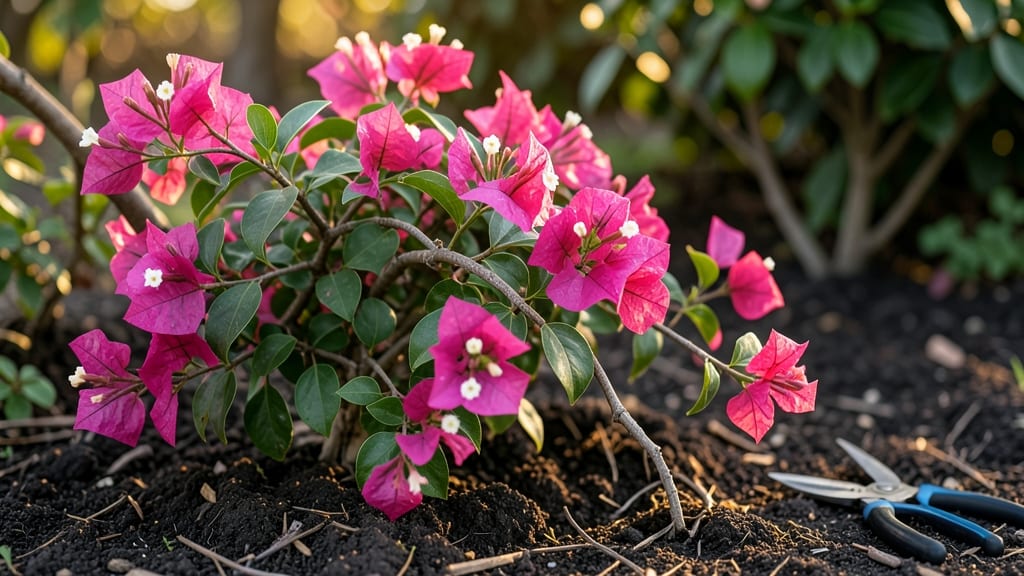
Growing bougainvillea in Zone 6 requires wrapping plants in burlap, using thick mulch layers, and planting near south-facing walls to create sheltered microclimates. Prune back stems by half in early spring and cover with frost blankets during sub-freezing nights for best results.
Bougainvillea thrives in warmer climates, but with the right strategies, it can survive Zone 6 winters where temperatures often dip below 10°F. 🌿 The key is creating a protected environment—think of it like giving your plant a cozy winter jacket.
I've seen gardeners use straw bales around the base and even move potted plants to unheated garages during extreme cold snaps. Cold-hardy varieties like 'California Gold' handle brief freezes better than tropical types, but no bougainvillea is truly winter-hardy without extra care.
Microclimates are your best friend here. A south-facing wall can raise temperatures by 10-15°F compared to open areas, while mulch acts as insulation for roots. For container growers, wrapping pots in bubble wrap and adding extra mulch can prevent the soil from freezing solid.
The goal is to keep roots alive—the plant can regrow from the base even if tops freeze back.
💡 In This Article
- How Bougainvillea Survives Freezing Temperatures
- Zone 6 Bougainvillea Care: Winter Protection Strategies
How bougainvillea survives freezing temperatures
Bougainvillea's cold tolerance comes from its woody stems, which can handle brief freezes down to 20-25°F without permanent damage.
The plant's true vulnerability lies in its roots and tender new growth, which freeze solid at 10°F or lower. 🌱 What's fascinating is how the plant's vascular system reacts: when stems freeze, the water inside crystallizes, but the bark's thick, corky texture acts as insulation, preventing the core from freezing completely.
This is why you'll often see bougainvillea plants regrow from the base even after severe winter dieback.
The real science behind winter survival is microclimate manipulation. A south-facing wall can create a 10-15°F warmer zone immediately next to it compared to open garden areas. This happens because the wall absorbs solar radiation during the day and radiates heat back at night.
Mulch works similarly—adding 4-6 inches of straw or wood chips around the base insulates roots against ground freeze. Even a simple windbreak can raise temperatures by 5°F by reducing cold air flow, demonstrating how these small changes create protected pockets where bougainvillea can thrive.
What most gardeners don't realize is that bougainvillea's cold tolerance isn't static—it improves with age. Younger plants with thinner stems are more vulnerable, while established specimens with 3-5 year old woody growth can handle slightly colder temperatures.
This is why many Zone 6 growers recommend waiting until plants are at least 2 years old before attempting winter exposure. The plant's natural growth habit of producing new stems from old wood gives it remarkable resilience when properly protected.
For container-grown bougainvillea, the physics of heat retention become even more critical. Potted plants freeze more easily because their roots have less soil mass to insulate them.
Wrapping pots in 2-3 layers of bubble wrap creates an air pocket that acts as insulation, while adding 1-2 inches of extra mulch on top prevents heat loss through the soil surface.
The key measurement here is maintaining soil temperatures above 28°F—this threshold is where root damage begins to occur.
Consider this comparison: a bougainvillea in full sun with proper mulching might survive -5°F brief freezes, while the same plant in an open, windy location would suffer damage at 20°F. The difference comes from how these environmental factors combine to create protected microclimates.
Even in Zone 6's harshest winters, these strategies can push bougainvillea's cold tolerance by 10-15°F beyond its natural limits.
One advanced technique worth noting is the "snow blanket" method. When snow falls, it acts as an excellent insulator—keeping soil temperatures 10-20°F warmer than air temperatures. This is why many successful Zone 6 gardeners avoid clearing snow from around their bougainvillea, allowing it to accumulate naturally.
The snow's albedo effect (reflecting sunlight) also helps maintain warmer daytime temperatures, creating a self-regulating winter protection system.