
Shrubs
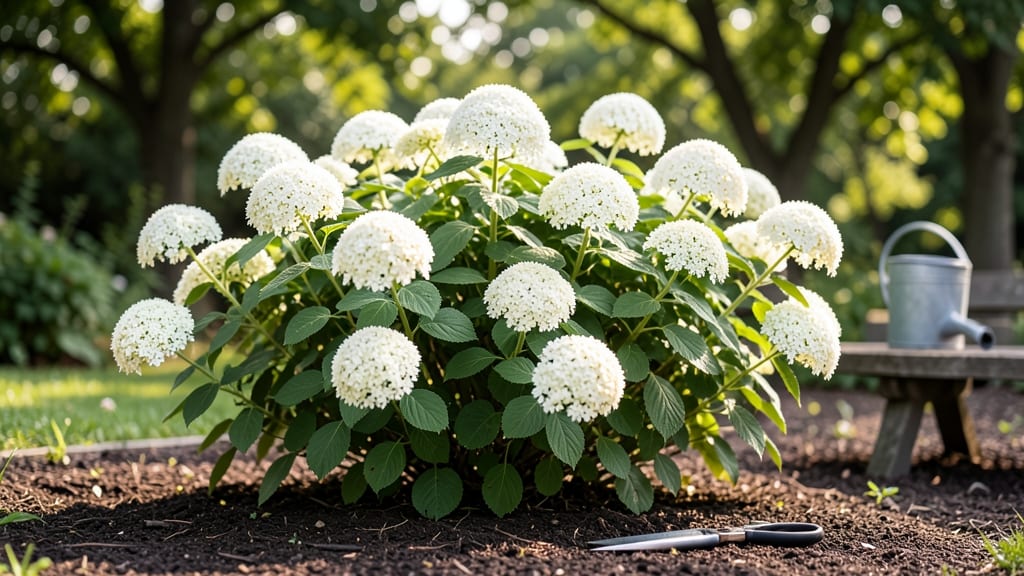
Bridal wreath spirea grows best in USDA hardiness zones 3 through 8, where it endures freezing temperatures down to -30°F (-34°C) while thriving in cooler climates with proper soil and sunlight conditions.
This cold-tolerant shrub's adaptability comes from its deep root system, which helps it access moisture even in dry conditions. 🌱 In colder regions like the Pacific Northwest or New England, bridal wreath spirea becomes a standout perennial, offering year-round interest with its delicate white blooms and vibrant fall foliage.
The key to success in marginal zones—like parts of Zone 9—lies in protecting it from extreme cold snaps and ensuring well-drained soil to prevent root rot.
For gardeners in warmer climates, container planting or raised beds can mimic its preferred cooler conditions. The plant's ability to handle frost makes it a favorite for alpine gardens and northern landscapes, where other shrubs might struggle.
Just remember: while it's tough, even bridal wreath spirea needs good airflow and sunlight to reach its full potential.
💡 In This Article
- How Cold Hardiness Determines Bridal Wreath Spirea’s Growth Zones
- Best Regions and Microclimates for Planting Bridal Wreath Spirea
How cold hardiness determines bridal wreath spirea’s growth zones
Bridal wreath spirea's remarkable cold tolerance stems from its genetic adaptations developed over centuries in harsh northern climates. Unlike tropical plants, this shrub enters a deep dormancy phase during winter, where its metabolic processes slow dramatically to conserve energy.
The plant produces antifreeze proteins similar to those found in cold-hardy trees, which prevent ice crystals from forming in its cells. These proteins bind to water molecules, lowering the freezing point of cellular fluids by up to 5°F (-15°C) below normal levels.
The plant's deep root system (often extending 3-5 feet deep) is another key adaptation. These roots access moisture from lower soil layers, allowing the shrub to survive drought conditions that might stress other plants during winter thaw periods.
In regions like the Rocky Mountains or New England, where temperatures can plummet to -30°F (-34°C), bridal wreath spirea's roots act as an anchor, preventing the plant from heaving out of the ground—a common issue with shallow-rooted shrubs. 🌟
Soil drainage plays a critical role in its cold hardiness. In waterlogged conditions, roots suffocate and freeze more easily, while well-drained soil allows excess moisture to escape, preventing the formation of ice lenses that can damage root tissues.
This is why gardeners in Zone 8 with heavy clay soils often need to amend the ground with sand or gravel before planting. The plant's ability to handle moist but not soggy conditions makes it ideal for alpine gardens where snowmelt can create temporary waterlogging.
Sunlight exposure directly impacts how well bridal wreath spirea handles cold. In full sun, the plant develops thicker cuticles on its leaves, reducing water loss during winter desiccation. However, in shady microclimates, growth slows more dramatically, making the plant more vulnerable to frost damage.
That's why it thrives in open meadows or along property edges where it receives at least 6 hours of direct sunlight daily.
In marginal zones like Zone 9, providing afternoon shade can prevent heat stress during summer while still allowing winter sun exposure to harden the plant for cold snaps.
What most gardeners don't realize is how wind exposure affects cold hardiness. While bridal wreath spirea can tolerate some wind, constant exposure to 20+ mph winds during winter increases evaporation rates, drying out the plant's tissues. This is why windbreaks—like evergreen trees or fences—are essential in exposed locations.
In Zone 4, where winter winds can be particularly harsh, planting near a northern-facing wall can create a microclimate that's 5-10°F warmer than the surrounding area, extending the plant's growing season by up to 2 weeks in both spring and fall.
The plant's flowering mechanism also demonstrates its cold adaptation. Bridal wreath spirea blooms on new wood, meaning it produces flowers from current season's growth rather than last year's. This strategy allows it to bloom even after severe winters, as the new growth emerges unfrozen.
The flowers themselves contain natural antifreeze compounds that prevent ice formation within the blossoms, ensuring they remain viable even when temperatures hover around 28°F (-2°C). 🌸