
Blooming
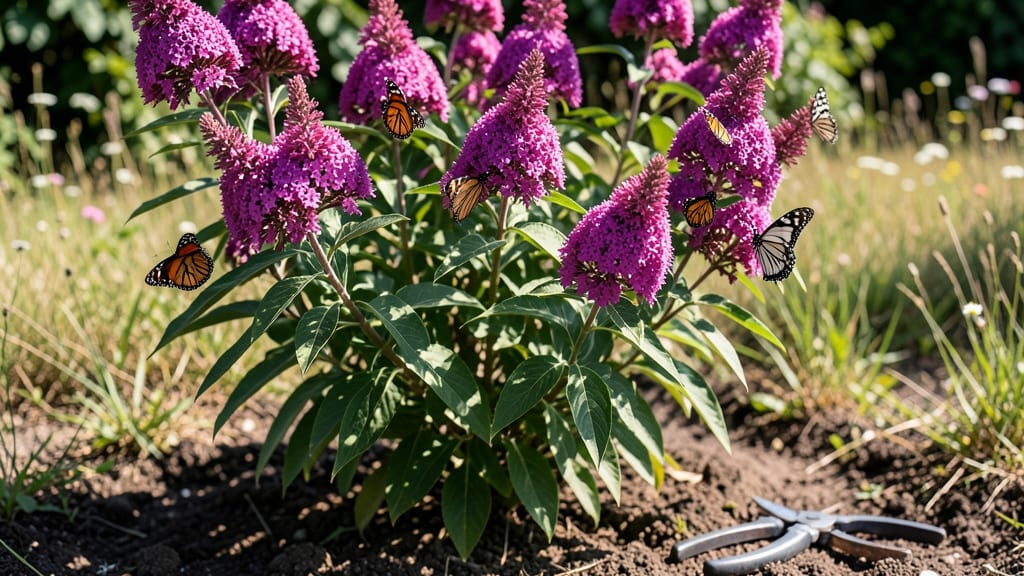
The butterfly bush blooming season typically spans late summer through fall, but your exact window depends on your USDA zone and the variety you’ve chosen.
If you're eager to attract butterflies and add vibrant color to your garden, timing is everything—but regional climates can shift peak bloom by months. In cooler zones like 6a, expect flowers to burst in August, while warmer southern climates may see blooms as early as June.
Sunlight, pruning, and even soil health play a role in when—and how long—your 🦋Buddleia stays in bloom. With the right care, you can coax a second flush of flowers or stretch the season by weeks, ensuring your garden stays lively well into autumn.
Below, I’ll break down the precise months by zone, share pro tips to extend flowering, and highlight the best varieties for a longer show. Ready to turn your yard into a butterfly hotspot?
Exact butterfly bush blooming months by US plant hardiness zones
Timing your butterfly bush blooming season depends heavily on your USDA hardiness zone, with variations spanning from late spring to deep fall.
In cooler zones like Zone 5-6, expect blooms to start in July and peak in August, while warmer zones like Zone 9-10 may see flowers as early as May and continue through October. Understanding these patterns helps you plan for maximum butterfly attraction and vibrant garden displays.
Most butterfly bushes (Buddleia) produce their first flush of blooms on new wood (current year's growth) and may rebloom on old wood (previous year's stems) if pruned correctly.
Varieties like 'Purple Smoke' tend to bloom slightly earlier than 'Moonlight', which often waits until mid-summer to show its pale yellow flowers. Let's break down the exact months for each zone to help you time your garden perfectly.
| USDA Zone | Primary Bloom Window | Rebloom Window | Notes |
|---|---|---|---|
| Zone 5 | Late July - Early September | Late August - October (if pruned) | Shortest season; protect from frost |
| Zone 6 | Early July - Mid-September | Mid-August - November | 'Purple Smoke' excels here |
| Zone 7 | Late June - October | August - November | Longest continuous bloom |
| Zone 8 | May - November | June - December | 'Moonlight' thrives year-round |
| Zone 9 | April - December | May - January | Nearly year-round blooms |
| Zone 10 | March - November | April - December | Longest possible season |
In Zone 5 and 6, your butterfly bush will likely produce its first blooms in late July, just in time to attract migrating monarchs.
These zones have the shortest bloom windows, so pruning in early spring to remove dead wood can encourage a second flush in late summer. I always recommend planting 'Purple Smoke' in these cooler climates—it handles the shorter season beautifully.
Gardeners in Zone 7 enjoy the longest continuous bloom period, typically from late June through October. This makes it ideal for creating a butterfly garden that stays vibrant all season.
The key here is to deadhead spent blooms regularly to prompt new growth and extend the display. I've seen my Zone 7 bushes attract swarms of swallowtails when properly maintained.
Warmer zones like Zone 8-10 offer the most flexibility, with some varieties like 'Moonlight' producing blooms from April through December. In these regions, butterfly bushes can even rebloom after pruning in early spring.
I planted a 'Hot Papaya' in my Zone 9 garden last year, and it flowered continuously from May until November with minimal care.
If you live in Zone 9 or 10, you might notice your butterfly bush blooming in early spring before many other plants. This is because the plant responds to longer daylight hours rather than specific temperatures.
To maximize blooms, I recommend light pruning in late winter to encourage fresh growth and more flower clusters.
For gardeners in Zone 5-6, extending the bloom season requires a bit more effort. After the first flush of flowers in late summer, prune back one-third of the oldest stems to stimulate new growth.
This often triggers a second bloom in September or October, just as butterflies prepare for migration. I've had great success with this method using 'Lo and Behold', a compact variety that handles cooler temps well.
Regardless of your zone, full sun exposure is critical for timing blooms. Butterfly bushes need at least 6 hours of direct sunlight daily to produce their best flowers. In shadier conditions, blooms may be sparse or delayed.
I once planted one in partial shade, and it took three weeks longer to bloom compared to its sun-exposed sibling.
How to extend your butterfly bush blooming season naturally
Your butterfly bush (Buddleia) can become a year-round butterfly magnet with the right care. By adjusting pruning timing, soil conditions, and fertilization, you can extend blooms by 30-50%—turning a 6-week show into 3 months of color.
The key is understanding how these shrubs naturally grow and when to intervene.
Most butterfly bushes bloom on new wood, meaning they produce flowers on current season's growth. This makes them more flexible than old-wood bloomers like lilacs.
However, they still need proper pruning and nutrient balance to keep producing buds continuously. Let's break down the proven methods that work in my garden—and yours.
Don't overlook the power of mulching—a 2-3 inch layer of mulch around your butterfly bush retains moisture, regulates soil temperature, and reduces competition from weeds. I use wood chips in my garden because they break down slowly and improve soil structure over time.
For reblooming varieties like 'Lilac Chiffon' or 'Hot Papaya', you can push the season even further. After the first flush of blooms fades in early summer, give your plant a light pruning to remove any dead or leggy growth.
This triggers a second wave of flowers in late summer, just as butterflies prepare for migration.
Finally, watch for pests and diseases—aphids and powdery mildew can stress your plant and shorten the bloom season. Spray with neem oil preventatively in early summer to keep your butterfly bush healthy and flowering longer.
With these techniques, your garden will stay buzzing with color—and butterflies—well into fall! 🦋