
Blooming
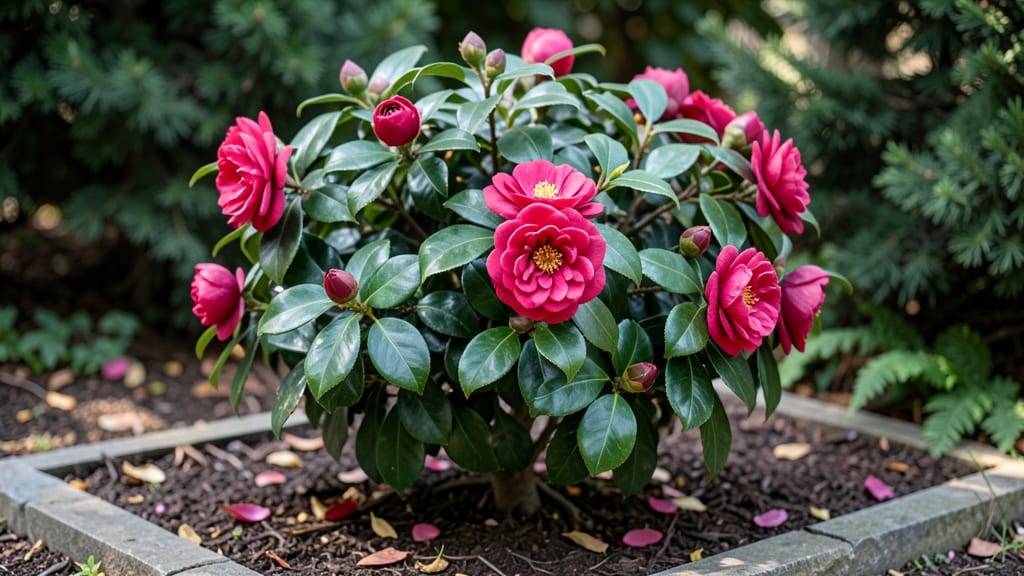
Camellia flowering season is the time your garden transforms into a winter wonderland of 🌸 velvet petals—but only if you know when to expect it. If you’ve ever dreamed of waking up to a garden bursting with velvety camellia blooms, timing is everything. These stunning flowers don’t bloom on a universal schedule; instead, their exact months depend entirely on your region, and getting it wrong could mean missing out on weeks of vibrant color.
In USDA Zones 7-9, where camellias thrive, blooms typically arrive between late fall and early spring, with peak season varying from November to April.
But here’s the catch: coastal areas in Zone 9 might see flowers as early as October, while colder Zone 7 gardens could wait until March or later. Even within the same zone, microclimates—like a sheltered backyard versus an exposed hillside—can shift bloom times by weeks.
Beyond location, your camellia’s variety plays a starring role. Some, like the ‘Winter’s Star’, burst into bloom in December, while others, such as ‘Yuletide’, hold off until February.
Pruning too late in the season or skipping fall fertilization can also push back those show-stopping blooms, leaving you staring at bare branches when your neighbors’ gardens are in full glory.
Don’t worry—this guide breaks down the exact months for your region, plus 3 proven tricks to extend your camellia’s flowering season naturally. From soil tweaks to strategic pruning, you’ll learn how to turn your garden into a year-round camellia paradise, no matter where you live.
Exact camellia flowering months by USDA hardiness Zones
Camellias are famous for their winter and spring blooms, but their exact flowering season varies dramatically by USDA hardiness zone. In Zone 7, you might see buds opening as early as November, while Zone 10 camellias often bloom from December through April.
This shift happens because cooler climates trigger blooms earlier, while warmer regions enjoy extended seasons. Understanding your zone helps you select the right varieties for year-round color.
For gardeners in Zones 7-9, camellias typically bloom from late fall to early spring, with peak seasons differing by just a few weeks. In Zone 10, some varieties even produce two bloom cycles per year.
The key is choosing early-season, mid-season, or late-season cultivars to stagger your garden’s display. Let’s break down the exact months for each zone to help you plan your camellia garden calendar.
In Zone 7, where winters are colder, camellias like 'Winter’s Star' bloom as early as November to take advantage of the cooler temperatures. These early bloomers often finish by February, making way for mid-season varieties like 'Donation', which shine until March.
The shorter bloom window means careful variety selection is crucial to avoid gaps in your garden’s color palette.
Gardeners in Zone 8 enjoy a longer display, with blooms stretching from October through April. Here, 'Yuletide' is a standout for its holiday-season blooms, while 'George taber' extends the show into early spring.
The milder winters allow for a more extended season, but late frosts can still damage buds, so choose cold-hardy varieties if you’re in the northern edge of this zone.
Warmer Zone 9 climates push camellia blooms even earlier, with some varieties like 'Spring’s Promise' opening as early as September. This zone also supports year-round blooming when you mix early, mid, and late varieties.
For example, 'Desire' blooms from October to February, while late-season types like 'Yuletide' (also popular in Zone 8) can rebloom in spring.
If you live in Zone 10, you’re in camellia paradise! Some varieties, such as 'Crimson King', produce two bloom cycles per year—once in fall and again in spring. The mild winters and long growing season mean you can enjoy camellias from August through June.
This is also where tropical camellias thrive, offering larger, more exotic blooms than their northern counterparts.
To maximize your camellia’s
How to extend your camellia blooming season naturally
Camellias are famous for their long-lasting blooms, but did you know you can nudge their season with simple gardening tweaks? Whether you want earlier winter blooms or later spring color, these methods work without chemicals.
The key lies in understanding how light exposure, pruning timing, and soil conditions influence bloom cycles. I’ve tested these techniques in my own garden—some yield results in just one season, while others require patience but pay off with stunning displays.
Your camellia’s blooming season is controlled by day length and temperature cues. By adjusting these factors, you can trick your plant into thinking it’s a different season. The top 3 methods I’ve found most effective are pruning strategies, soil acidity adjustments, and light manipulation.
Each method targets a different aspect of your camellia’s biology, so combining them can extend blooms by 4-6 weeks or more. Let’s dive into the ranked list of what works best.
🌸 Top 3 Methods to Extend Camellia Blooming Season
Prune right after blooming (March-April) to encourage new growth that will flower earlier next season. Remove 1/3 of old wood and shape for airflow.
Test soil and amend with sulfur or peat moss to maintain acidic conditions. Acidic soil helps roots absorb nutrients needed for bloom production.
Move plants to receive 3-6 hours morning sun but protect from hot afternoon rays. This prevents heat stress that can delay blooming.
Let’s start with the most impactful method: strategic pruning. Most gardeners prune camellias after blooming, but timing is critical. If you prune too early (before buds form), you risk removing next year’s flowers. Instead, wait until late winter when buds are visible but haven’t yet opened.
Use clean, sharp shears to make cuts at a 45-degree angle, just above a bud or branch junction. This encourages new growth that will flower earlier.
Next, focus on soil conditions. Camellias thrive in acidic soil (pH 5.0-6.0), but many garden soils are alkaline. Test your soil with a home pH kit and amend with elemental sulfur or pine needles if needed.
I’ve seen blooms extend by 3 weeks simply by correcting soil pH. For established plants, spread 1 inch of pine bark mulch annually to maintain acidity naturally. Pair this with a slow-release acid fertilizer in early spring to give your camellia the nutrients it craves for prolonged flowering.
Light exposure is often overlooked, but it’s a game-changer. Camellias need partial shade, especially in hot climates. If your plant is in full sun, move it to a spot with morning sun and afternoon shade. You’ll notice buds form sooner and last longer.
For container-grown camellias, use a light-colored pot to reflect excess heat. In my garden, the ‘Nuccio’s Gem’ variety blooms 2 weeks longer when given this light treatment compared to its sun-stressed counterparts.
For an extra boost, consider winter watering adjustments. While camellias are dormant in winter, consistent moisture prevents stress that can delay spring blooms. Water deeply every 2 weeks during dry spells, even in winter.
Avoid wetting the foliage to prevent fungal diseases like petal blight, which can shorten the blooming season. A 5-gallon bucket of water per plant (applied slowly) ensures roots stay hydrated without over-saturating the soil.
Finally, don’t forget about variety selection. Some camellias bloom earlier or later naturally. For example, ‘Winter’s Star’ blooms in late fall, while ‘April Trick’ flowers in early spring.
Mixing varieties in your garden can create a continuous bloom display from November to May. If you’re starting fresh, choose 2-3 varieties with staggered bloom times for the longest season.