
Blooming
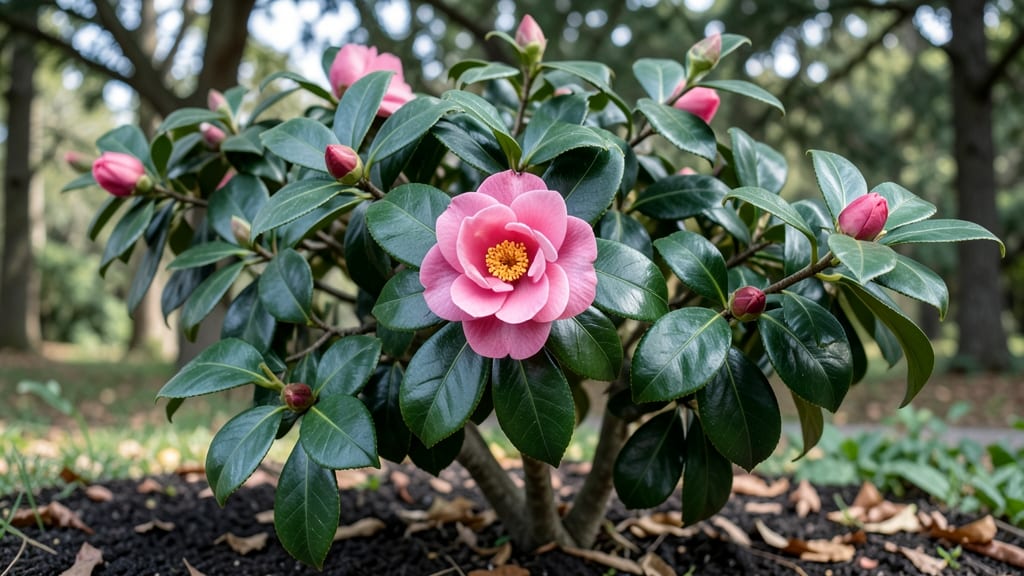
Camellia plants bloom in seasons that can feel like magic—velvety petals unfurling in winter’s chill or summer’s heat, depending on the variety and where you live.
If you’ve ever admired a camellia’s stunning 🌸 blooms but wondered why yours isn’t flowering—or when to expect those showstopping petals—timing is everything. The blooming season varies dramatically by climate zone, and knowing the right conditions can transform your garden from ordinary to extraordinary.
In USDA Zone 7b (the default for temperate climates), most camellias bloom from late fall through early spring, with Camellia sasanqua varieties often lighting up the garden in winter, while Camellia japonica steals the show in spring.
But in warmer zones like Zone 9b or Zone 10, the timing shifts—some varieties bloom year-round, while others wait for cooler weather.
Discover how to read your camellia’s cues, adjust care for your zone, and even extend its blooming season with simple tricks—so you can enjoy those breathtaking flowers for months, not just weeks.


Camellia blooming seasons by USDA climate zones: a year-round guide
Understanding your camellia blooming season starts with knowing your USDA climate zone. These elegant shrubs thrive in Zones 7-10, but their bloom timing shifts dramatically depending on whether you're in cooler northern regions or warmer southern climates.
For example, Camellia japonica often blooms in late winter to spring, while Camellia sasanqua typically flowers in fall and early winter.
Each zone offers unique opportunities for camellia enthusiasts. In Zone 7, you might enjoy winter blooms from late November through February, while Zone 10 gardeners can extend their blooming season into early spring.
The key lies in selecting varieties that match your local climate and providing the right care to encourage consistent flowering.
| Camellia Type | Blooming Season (Zones 7-8) | Blooming Season (Zones 9-10) | Visual Cues |
|---|---|---|---|
| Camellia japonica | Late winter to spring (Feb-Apr) | Winter to early spring (Dec-Mar) | Large, formal blooms; glossy dark green leaves |
| Camellia sasanqua | Fall to early winter (Oct-Dec) | Fall to winter (Sep-Nov) | Smaller, semi-double blooms; lighter green leaves |
| Hybrids (e.g., 'Yuletide') | Winter (Dec-Feb) | Late fall to winter (Nov-Jan) | Medium-sized blooms; compact growth |
| Early bloomers (e.g., 'Winter's Star') | Late fall (Oct-Nov) | Early fall (Sep-Oct) | Bright pink blooms; early bud formation |
| Late bloomers (e.g., 'Spring's Promise') | Spring (Mar-May) | Late winter (Jan-Mar) | Large white blooms; late bud set |
In Zone 7, where winters are colder, Camellia japonica varieties like 'Desire' and 'Elegans' shine with their late winter blooms. These plants often need chill hours (below 45°F) to set buds, which is why they bloom later in cooler climates.
Look for buds forming in late summer—this is your first clue that a stunning display is coming.
For Zone 8 gardeners, the blooming season extends slightly earlier. Varieties like 'Yuletide' (a hybrid) often bloom in December and January, providing holiday-season color. These plants can handle slightly warmer winters but still benefit from morning sun protection to prevent leaf scorch.
Pay attention to bud color changes—they’ll shift from green to pink or red as they prepare to open.
Moving to Zone 9, where winters are milder, Camellia sasanqua varieties take center stage. These plants bloom in fall and early winter, offering a seasonal transition from summer to holiday colors.
Varieties like 'Bonanza' and 'Cape Hatteras' are particularly popular for their fragrant blooms. In this zone, you might even see two bloom cycles per year if conditions are ideal.
In Zone 10, the blooming season stretches longer due to milder winters. Camellia japonica varieties like 'Spring's Promise' can bloom as early as January, while sasanqua types may continue into early spring. The key here is to protect plants
How to extend your Camellia’s blooming season: pruning and care tips
Camellias are famous for their long-lasting blooms, but many gardeners struggle to keep their plants flowering for months. The secret lies in strategic pruning and seasonal adjustments tailored to your USDA climate zone. Unlike annuals, camellias set flower buds months in advance, so timing is critical.
For example, in Zone 7, blooms often start in late fall, while Zone 9 varieties may bloom from winter through spring. Understanding these patterns helps you extend that stunning display.
First, focus on light exposure—camellias thrive in partial shade (3-6 hours of morning sun). In hotter zones like Zone 9b, afternoon shade is essential to prevent leaf scorch.
If your plant is in full sun, gradually acclimate it by moving it to a shadier spot over 2-3 weeks. This adjustment can trigger more buds to form, especially for Camellia japonica varieties, which often bloom later in the season.
Next, fertilize wisely to support bud formation. Use a balanced, acid-loving fertilizer (like 10-10-10) in early spring and again in early summer. In Zone 8-10, where winters are mild, a light feeding in late fall can also encourage early blooms.
Over-fertilizing in late summer, however, can lead to weak growth and fewer flowers. For potted camellias, flush the soil with water every 3-4 months to prevent salt buildup from fertilizers.
Watering plays a surprising role in bloom longevity. Camellias need consistent moisture but hate soggy roots. In Zone 7, water deeply once a week during dry spells, while Zone 9 plants may need bi-weekly watering.
Always water at the base of the plant in the morning to reduce fungal risks. Mulch with 2-3 inches of organic material (like pine bark) to retain moisture and regulate soil temperature—this is especially helpful in Zone 10, where summer heat can stress plants.
Don’t overlook pest control—aphids, scale, and spider mites can weaken your camellia, reducing its ability to bloom. Inspect leaves regularly, especially in humid zones like Zone 8, where pests thrive. A neem oil spray in early spring can deter pests before they become a problem.
If you notice yellowing leaves, it could signal overwatering or nutrient deficiencies, both of which stunt flowering. Adjust your care routine immediately to revive the plant.
For longer blooming seasons, consider planting multiple varieties. For example, pair a winter-blooming Camellia sasanqua with a late-winter Camellia japonica to create a cascading effect.
In Zone 7, this means blooms from November through March, while Zone 10 gardeners can enjoy flowers from December to May. With the right care, your camellia can become the star of your garden for months on end.