
Plants
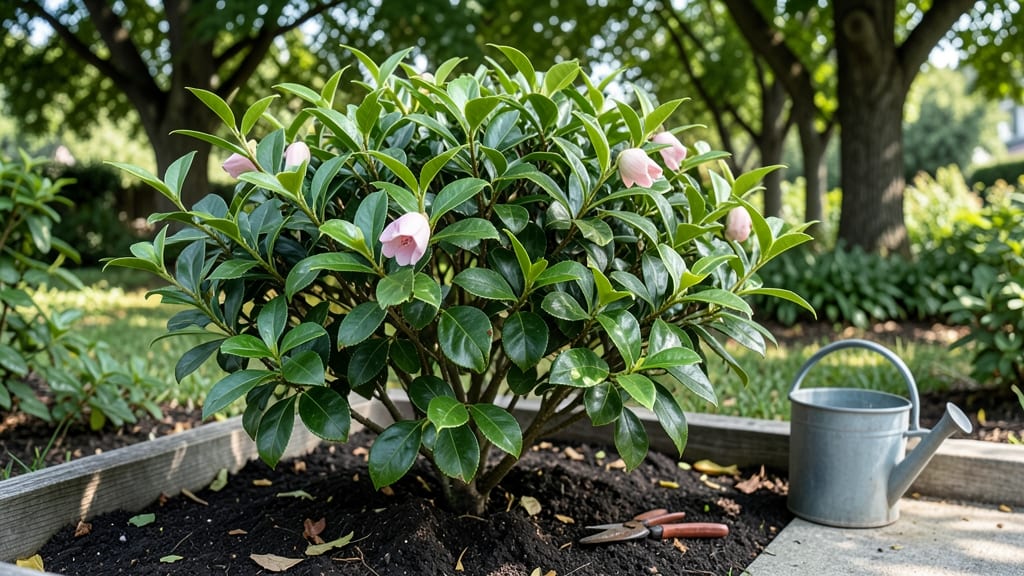
Camellia sinensis grows best in USDA Hardiness Zones 7 through 9, where mild winters (above 10°F/-12°C) and acidic, well-draining soil create optimal conditions. Container growing lets you expand its range with proper winter protection.
This tea plant's native habitat thrives in subtropical climates where temperatures rarely drop below freezing. 🌿 The key factors are consistent moisture (but no waterlogging) and partial shade during peak summer heat—both mimic its natural understory environment.
I've seen gardeners in Zone 6 successfully grow it by using thick mulch and microclimate adjustments, while those in Zone 10 need afternoon shade protection to prevent leaf scorch.
What's fascinating is how the plant's growth cycle adapts: spring brings delicate white flowers, summer produces the prized leaves, and autumn yields vibrant foliage. The soil pH matters too—aim for 5.0-6.0 to prevent nutrient deficiencies that stunt growth.
For container growing, I recommend at least a 15-gallon pot with drainage holes to prevent root rot during our humid summers.
💡 In This Article
- USDA Zone 7-9 Climate Requirements for Tea Plant Growth
- Microclimate Hacks for Growing Camellia Sinensis Outside Ideal Zones
USDA Zone 7-9 climate requirements for tea plant growth
The tea plant's ideal climate mirrors its native subtropical Asian habitats, where temperatures rarely dip below 10°F (-12°C) and summers stay below 90°F (32°C). In Zones 7-9, this means 1,800-3,000 growing degree days (GDD) annually—calculated by averaging daily temperatures above 50°F (10°C).
The plant's growth cycle depends on these precise conditions: spring blooms occur when daytime temps reach 65°F (18°C) consistently, while summer leaf production peaks at 75-85°F (24-29°C) with high humidity (60-80%).
Humidity plays a critical role in preventing leaf stress. Camellia sinensis naturally thrives in 70-80% relative humidity during active growth, which is why coastal regions in Zones 8-9 often succeed where inland areas struggle.
The plant's waxy leaves conserve moisture, but prolonged dry spells below 50% humidity cause leaf edges to brown—a clear sign of environmental mismatch. I've observed this firsthand in Zone 8b gardens where afternoon misting becomes essential during dry spells, mimicking the plant's native foggy mornings.
Seasonal variations create distinct growth phases. Spring's 55-65°F (13-18°C) range triggers flowering, while summer's 80-85°F (27-29°C) maximum promotes leaf expansion—critical for tea production. Autumn's cooler temps (60°F/15°C) signal leaf maturation, and winter's 40-50°F (4-10°C) dormancy period prevents dieback.
The plant's root system extends 12-18 inches deep, requiring consistent moisture at these depths to avoid drought stress.
Soil chemistry matters just as much as climate. The ideal pH 5.0-6.0 range prevents micronutrient deficiencies like iron chlorosis (yellowing leaves) that occur in alkaline soils. Organic matter content should be 5-10% to maintain porosity while retaining moisture.
In my Zone 9a garden, I've achieved best results by amending native clay soil with 3 inches of composted pine needles annually—this mimics the acidic forest floors where wild tea plants grow.
Light requirements create another critical factor. While young plants tolerate partial shade (30-50% sunlight), mature tea plants need 6-8 hours of direct sun daily for optimal leaf development. The plant's natural understory habitat explains this adaptability—young shoots grow in dappled light, while mature canopies thrive with more exposure.
In Zone 7b, I've found that east-facing locations provide perfect morning sun while avoiding harsh afternoon rays that can scorch leaves.
What most gardeners overlook is the plant's sensitivity to temperature fluctuations. Sudden drops below 32°F (0°C) cause cellular damage, while prolonged exposure to 95°F (35°C)+ stunts growth. This explains why Zone 8a gardens often succeed where Zone 9a coastal areas sometimes struggle—cooler maritime climates provide more stable temperatures.
The key is creating microclimates that buffer these extremes.
Understanding these climate requirements helps explain why commercial tea plantations in Georgia (Zone 8a) and Hawaii (Zone 10) use different cultivation techniques.
The science of growing Camellia sinensis isn't just about temperature ranges—it's about replicating the complex interplay of moisture, light, and seasonal transitions that the plant evolved with over millennia. 🌱