
Vegetables
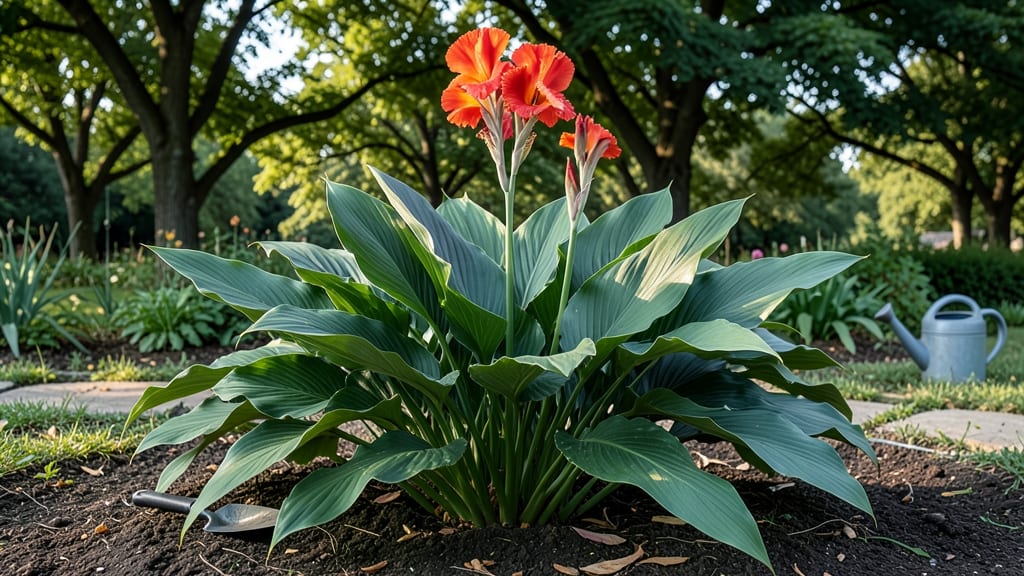
Growing canna lilies in Zone 6 requires strategic timing and winter protection: plant after last frost (mid-to-late May), apply thick mulch in fall, and use frost covers or containers to shelter them through cold snaps. These tropical beauties survive down to 10°F, but need extra care when temperatures dip below 20°F.
Canna lilies are tropical plants that naturally retreat into dormancy when temperatures drop, but Zone 6's unpredictable winters demand extra attention. 🌿 The key is mimicking their native environment—warmth and humidity—while protecting them from freezing soil.
I've found that combining heavy mulching with frost blankets creates a microclimate that keeps roots insulated, even when daytime temperatures fluctuate wildly. For container-grown cannas, moving them to an unheated garage with 40-50°F conditions works wonders, though you'll need to monitor for mold or rot during storage.
What sets Zone 6 apart is the need to balance dormancy timing with frost dates. Cutting back foliage too early can stress the plant, while waiting too long risks damage from early cold snaps.
I recommend watching your local frost forecast and having your overwintering plan ready by mid-October, giving you a two-week buffer before the first hard freeze.
This approach has helped my cannas survive winters with temperatures dipping to 5°F—proof that with the right preparation, these showstopping plants can thrive even in cooler climates.
💡 In This Article
- Understanding Canna Lily Cold Hardiness in Zone 6
- Step-by-Step Zone 6 Canna Lily Winter Survival Guide
Understanding canna lily cold hardiness in Zone 6
Canna lilies are tropical plants that evolved in warm climates, yet they possess a fascinating survival mechanism called dormancy. When temperatures drop below 50°F, these plants trigger a biological response where their above-ground growth slows dramatically, and nutrients migrate to their thick, starchy rhizomes.
This process mirrors how many bulbs prepare for winter, but cannas take it a step further by developing a protective layer around their roots. 🌱 What makes Zone 6 particularly challenging is the temperature volatility—swings from 60°F days to 20°F nights create stress that can break dormancy prematurely or damage tender shoots.
The science behind their cold tolerance lies in their rhizome structure. These underground stems contain high starch reserves that act as natural antifreeze, allowing them to survive brief exposures to 10°F without permanent damage. However, Zone 6's extended cold periods and freeze-thaw cycles push them beyond their natural limits.
The critical threshold is 20°F: below this, cell membranes in the rhizomes begin to rupture, leading to irreversible damage. This is why mulching becomes essential—it creates an insulating barrier that maintains soil temperatures 5-10°F warmer than ambient air.
What most gardeners don't realize is how moisture plays a critical role in dormancy. Canna lilies need well-draining soil during dormancy to prevent rot, yet they also require consistent moisture during active growth.
In Zone 6, this means adjusting your watering schedule sharply in fall—reducing to every 2-3 weeks once foliage yellows, while keeping the soil slightly moist (not soggy) to support root respiration.
The rhizomes themselves can tolerate 40% moisture content during dormancy, but anything higher risks fungal infections that turn protective layers into pathways for decay.
Container-grown cannas offer a unique advantage in Zone 6 because you can move them to protected locations. The secret here is the rhizome-to-pot ratio: for every 1 inch of rhizome diameter, you need 2-3 inches of pot depth to prevent root binding.
I've found that 15-gallon containers work perfectly for mature plants, allowing roots to spread while maintaining stability during temperature shifts. The key is to bury the rhizomes 2-3 inches deep—shallower planting increases freeze risk, while deeper planting can lead to waterlogging.
Temperature fluctuations trigger another critical survival mechanism: antioxidant production. When cannas experience brief cold snaps followed by warming, their cells ramp up production of compounds like flavonoids and phenolic acids, which protect cell membranes from damage.
This is why a 50°F day after a 25°F night can actually benefit dormant cannas—it mimics their native climate's seasonal variations. However, prolonged exposure to below 20°F overwhelms this system, making protection essential during Zone 6's harshest months.
Here's what's actually happening in your garden when you apply these principles: The mulch layer (at least 4-6 inches of straw or leaves) creates a thermal buffer that keeps rhizomes above 32°F, while frost blankets add an extra 10-15°F of protection.
Together, they create a microclimate where cannas can safely complete their dormancy cycle. The result? Vibrant regrowth in spring that often outpaces plants in warmer zones because they've undergone this natural hardening process.