
Plants
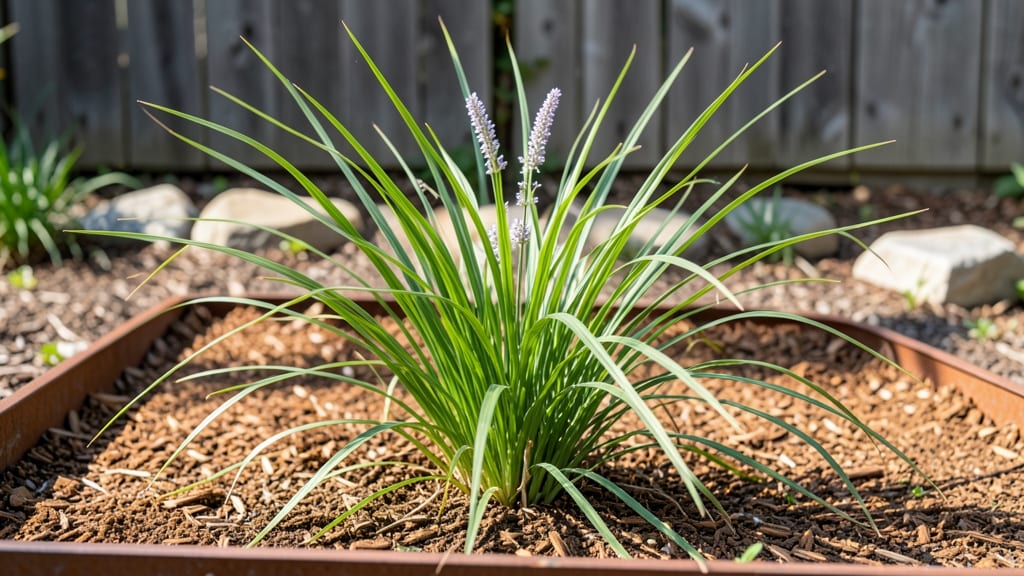
Citronella plants thrive in USDA hardiness zones 10 through 12, surviving only in frost-free climates with temperatures above 30°F (-1°C). Cold exposure below 28°F (-2°C) causes irreversible damage, requiring winter protection or container relocation in marginal zones.
Citronella's tropical roots explain why it struggles outside zones 10-12—its delicate leaves burn at 32°F (0°C) and die back permanently below 28°F (-2°C). 🌿 Even in zone 9, gardeners often grow it in containers to move indoors during winter.
I've seen plants recover from brief dips to 25°F (-4°C) with heavy mulching, but true hardiness stops at zone 10. The key is understanding your microclimate: coastal areas in zone 9 may work, while inland spots will need extra care.
For those pushing limits, overwintering in unheated garages or wrapping pots in bubble wrap can extend survival. Just remember: citronella's scent comes from its living leaves, so any cold damage means delayed regrowth until spring warmth returns.
💡 In This Article
- USDA Zone Breakdown for Citronella Plant Survival
- Winter Care Strategies for Citronella in Cooler Climates
USDA zone breakdown for citronella plant survival
Citronella's tropical origins mean it evolved in environments where temperatures rarely dip below 60°F (15°C), making it completely unprepared for frost. The plant's cells contain high moisture content that freezes and ruptures at 28°F (-2°C), triggering irreversible damage to its leaf structure.
This explains why zones 10-12—spanning southern California to Florida—provide ideal conditions with winter lows consistently above 30°F (-1°C).
The plant's natural habitat in Southeast Asia experiences 75-90°F (24-32°C) daytime temperatures year-round, with humidity levels above 70%. In contrast, USDA zone 9's winter lows can reach 20-30°F (-6 to -1°C), forcing gardeners to treat citronella as an annual or temporary resident.
The key threshold is 32°F (0°C): leaves may show frost burn but can recover, while anything colder causes permanent cell death.
What makes this particularly challenging is citronella's growth habit—it relies on fresh leaf production for its signature mosquito-repelling oils. When cold damages foliage, the plant must regrow entirely from its root system, a process that requires 8-12 weeks of warm weather above 65°F (18°C).
This explains why container-grown plants often outperform in-ground specimens: their mobility allows gardeners to move them before 32°F (0°C) arrives.
Microclimates play a crucial role in pushing citronella's limits. Coastal areas in zone 9 (like San Diego) often see winter lows in the 35-40°F (2-4°C) range due to ocean moderation, while inland valleys can drop to 20°F (-6°C).
The difference? Coastal citronella can sometimes survive winters with 3-4 inches of mulch, while inland plants require container protection. This geographic variability is why some zone 9 gardeners report success while others fail completely.
Scientifically, citronella's cold sensitivity stems from its C3 photosynthetic pathway, which lacks the frost tolerance mechanisms found in temperate plants.
Unlike hardy grasses that can survive -10°F (-23°C), citronella's metabolic processes shut down at 30°F (-1°C), making it one of the most frost-sensitive ornamental plants. 🌿 The plant's essential oils—what makes it valuable for pest control—are produced in specialized glandular trichomes that freeze and rupture in cold conditions.
For visual reference, imagine comparing citronella to a citrus tree: both thrive in similar zones (10-12) and suffer identical frost damage patterns. The key difference is citrus has some cold tolerance through its thick rind, while citronella's delicate leaves offer no protection.
This biological limitation explains why commercial citronella oil is typically extracted from plants grown in controlled tropical environments rather than temperate gardens.