
Shrubs
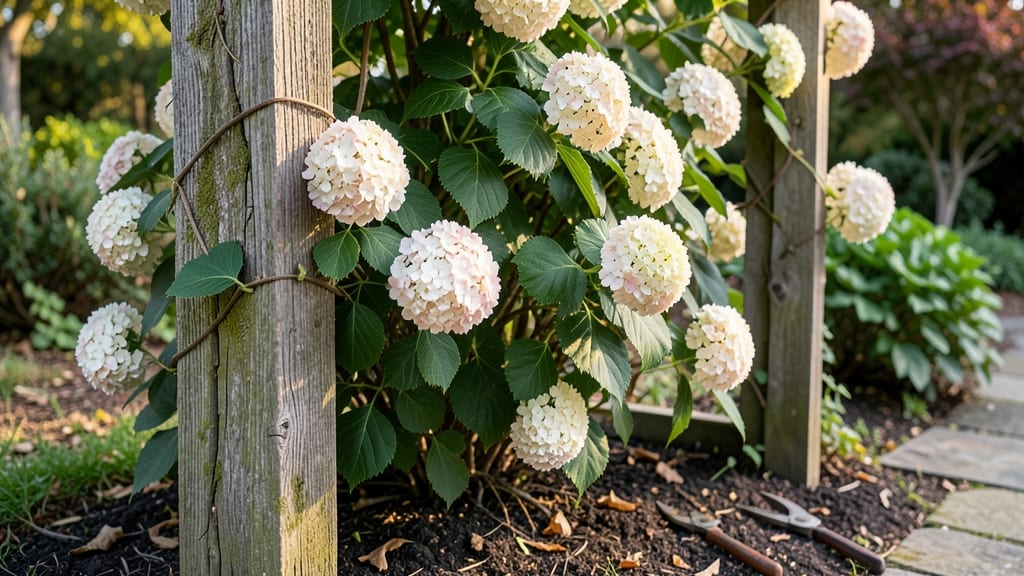
Climbing hydrangeas can thrive in Zone 4 when you choose the right cold-hardy varieties and follow proper planting techniques, such as selecting 'Annabelle' or 'Limelight,' ensuring well-draining soil, and applying winter mulch for protection.
Cold-hardy climbing hydrangeas like Hydrangea petiolaris (climbing hydrangea) and Hydrangea arborescens (smooth hydrangea) are your best bets for Zone 4's harsh winters. 🔥 The key is selecting varieties that can withstand temperatures down to -25°F while still producing vibrant blooms.
I’ve found that proper soil drainage and a thick layer of mulch (at least 4 inches) make all the difference in preventing root damage during freeze-thaw cycles. These plants also appreciate partial shade, which helps protect their delicate foliage from intense winter sun.
When planting, focus on soil preparation—amend heavy clay with compost to improve drainage, and avoid waterlogging, which can rot roots in cold climates. Pruning in late winter (just before buds swell) encourages stronger growth and more abundant flowers.
For extra protection, wrap young plants in burlap or use frost cloth until they establish a robust root system.
💡 In This Article
- Best Cold-Resistant Climbing Hydrangea Varieties for Zone 4
- Zone 4 Planting and Winter Care Guide for Climbing Hydrangeas
Best cold-resistant climbing hydrangea varieties for Zone 4
Zone 4's frigid winters (down to -25°F) demand hydrangea varieties with exceptional cold hardiness.
The two best options are Hydrangea petiolaris (climbing hydrangea) and Hydrangea arborescens (smooth hydrangea). H. petiolaris varieties like 'Matilda' and 'Miranda' can handle Zone 4 conditions beautifully, producing large, lush blooms on old wood that emerge in mid-summer.
Their dark green foliage provides year-round interest, even when not in bloom. 🌿 These vines cling to surfaces using aerial rootlets, making them perfect for trellises or fences.
The H. arborescens group, particularly 'Annabelle' and 'Grandiflora,' offers reliable cold tolerance with their distinctive round blooms that last from early summer to fall. What makes 'Annabelle' stand out is its ability to rebloom on new wood, giving you two bloom cycles in one season.
These varieties thrive in partial shade, which helps protect their foliage from harsh winter sun that can cause leaf scorch. Their blooms start as green buds that gradually turn white, creating a stunning visual progression throughout the growing season.
For those seeking vibrant colors, consider Hydrangea paniculata varieties like 'Limelight' or 'Little Lime,' which can handle Zone 4 winters with ease. These varieties produce cone-shaped blooms that transition from lime green to deep pink or purple, adding seasonal interest.
The key advantage here is their ability to bloom on both old and new wood, ensuring flowers even if winter pruning removes some buds. Their upright growth habit makes them ideal for vertical garden spaces.
When selecting your variety, consider bloom time and foliage characteristics. Early bloomers like H. petiolaris provide summer color, while H. arborescens varieties offer extended bloom periods.
The foliage of H. petiolaris remains attractive year-round, while H. arborescens varieties develop beautiful fall colors before leaf drop. 🍂 This diversity allows you to create layered interest in your garden throughout all seasons.
One critical factor often overlooked is the plant's maturity at planting time. Mature specimens (3-5 years old) establish more quickly in Zone 4 conditions, giving them a head start on developing cold-resistant root systems.
Younger plants may require additional winter protection during their first few years. Always choose container-grown specimens over bare-root plants for Zone 4, as they've already developed some cold tolerance from their growing environment.
For maximum success, pair your cold-hardy variety with proper site selection. Plant in locations with afternoon shade to prevent winter sun damage, and avoid low spots where cold air collects. The right variety combined with smart planting creates a winning combination for Zone 4 hydrangeas. 💫