
Trees
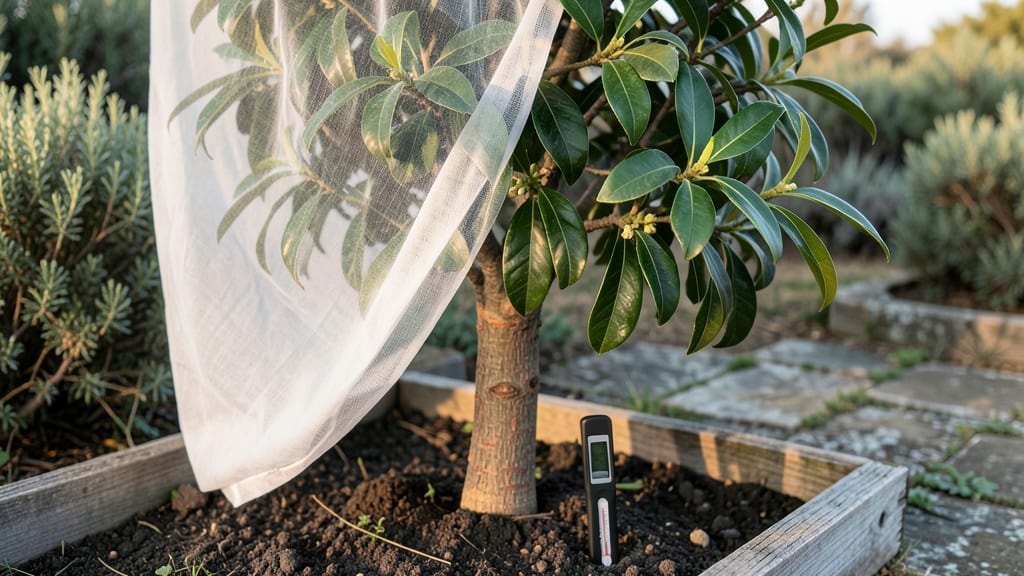
Cold hardy avocado trees can thrive in Zone 7 with proper microclimate protection, such as planting near heat-retaining walls, using frost blankets, and selecting varieties like 'Mexicola' or 'Wurtz,' which tolerate brief dips below 20°F when sheltered.
Growing avocados in Zone 7 isn't just about picking the right tree—it's about creating a cozy microclimate that mimics their native tropical conditions. 🌿 The key is combining physical barriers (like brick walls or evergreen windbreaks) with ground insulation, which traps radiant heat and prevents root shock during cold snaps.
I've seen gardeners use black plastic mulch or even old wine barrels filled with water around the base to add extra warmth. The trick is to shield both the trunk and roots, since even a few hours below 25°F can damage young trees.
While 'Mexicola' and 'Wurtz' are the most cold-tolerant options, don't overlook their growth habits—some varieties grow more slowly but produce fruit earlier. For best results, plant in well-draining soil with afternoon shade during summer, and always prune in late winter to encourage new growth before the next freeze season.
The payoff? A thriving tree that can actually bear fruit in your Zone 7 garden.
💡 In This Article
- How Microclimates Protect Avocado Trees from Freezes
- Top Cold-Resistant Avocado Varieties for Zone 7 Gardens
How microclimates protect avocado trees from freezes
Microclimates work by creating localized pockets of warmth that shield avocado trees from broader temperature drops. The most effective strategy is combining windbreaks with heat-retaining structures.
A brick or stone wall on the north side of your tree can absorb daytime heat and radiate it back at night, raising soil temperatures by 5-10°F compared to open areas.
Evergreen trees like arborvitae also serve as natural windbreaks, reducing cold air movement that accelerates frost damage to delicate leaves.
The roots are just as vulnerable as the canopy, which is why soil insulation is critical. Black plastic mulch or thick layers of straw can raise root-zone temperatures by 3-5°F during cold nights.
I've seen gardeners use 5-gallon buckets filled with water buried near the trunk—these act as heat sinks, releasing stored warmth slowly. Even a 12-inch layer of wood chips around the base provides better insulation than bare soil, preventing temperature swings that stress the root system.
Strategic planting near structures also creates a "greenhouse effect." When avocado trees are positioned within 3-6 feet of a south-facing wall, the wall absorbs solar energy during the day and reflects it back at night.
This passive solar heating can prevent hard freezes (25°F or lower) from penetrating the tree's core. The key is to avoid planting too close—roots need room to spread, but the canopy should benefit from the wall's radiant heat.
Water also plays a surprising role in microclimate protection. A 50-gallon barrel filled with water placed near the tree can moderate temperature swings by 2-4°F. Water has high heat capacity, meaning it absorbs heat during the day and releases it slowly at night.
For extra protection, wrap the tree trunk with burlap or frost cloth during cold snaps—this creates an insulating air pocket that traps radiant heat from the tree itself.
Don't overlook the power of reflective surfaces. Light-colored gravel or aluminum foil wrapped around the base of the tree can reflect up to 90% of radiant heat back toward the plant.
This technique is especially useful in urban gardens where concrete and asphalt absorb heat during the day but radiate it away at night. The combination of these microclimate strategies can create a 5-15°F warmer environment around your avocado tree compared to exposed planting areas.
Here's what actually happens during a freeze: Cold air is denser than warm air, so it sinks and pools in low-lying areas. By elevating your tree slightly (6-12 inches) on a mound or raised bed, you prevent cold air from settling directly around the roots.
This simple elevation can make the difference between survival and damage during 20-25°F nights. The goal is to mimic the natural conditions avocados thrive in—warm, stable temperatures with minimal temperature fluctuations.