
Orchid Care
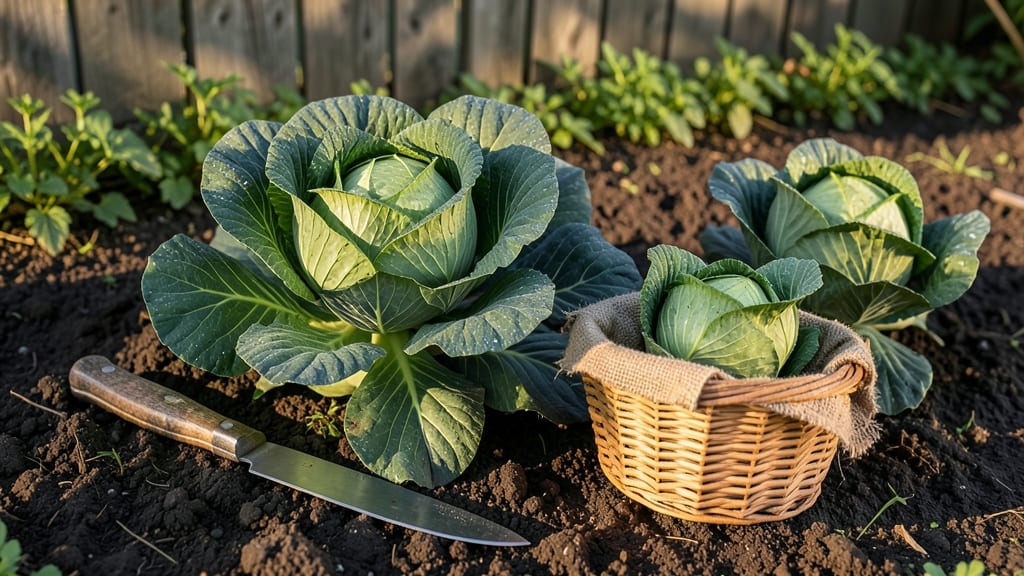
Cool season veggies turned my garden into a year-round harvest machine—even when snow still lingered on the ground. 🌱 I used to think spring was the only growing season, but after my first winter kale harvest (which tasted sweeter than any summer crop), I became obsessed.
These hardy plants thrive when temperatures dip, often producing their best flavors in cool weather.
The secret isn’t fancy equipment—it’s timing, soil prep, and choosing the right varieties. Plant broccoli, carrots, and spinach 6-8 weeks before your first frost, and you’ll have fresh greens by winter.
Well-drained soil and a little mulch keep roots cozy, while succession planting ensures a steady supply. My 3-foot-by-6-foot raised bed now yields more in winter than my entire summer garden ever did.
You’ll end up with crisp, tender greens, sweet root vegetables, and robust brassicas that resist pests better than summer crops. The flavor? Unmatched—nothing beats homegrown kale in January. Plus, you’ll save money and reduce waste by growing what you love, when you love it.
Works in containers, raised beds, or in-ground plots—even in colder climates like Zone 3. Here’s how to make it work for your garden, no matter where you live.
📚 In This Guide
- What you need
- Instructions
- Tips and common mistakes
- Wrapping up and next steps
What you need
- ● Cool season vegetable seeds: Choose from broccoli, kale, spinach, carrots, peas, lettuce, or radishes (pick 3-5 varieties for diversity). Aim for organic, non-GMO seeds for best results.
- ● Seed-starting soil: 1-2 cubic feet of lightweight, sterile potting mix (look for blends labeled for seedlings).
- ● Garden soil: Well-draining, nutrient-rich soil (amend with compost or aged manure if your soil is heavy or clay-like).
- ● Organic fertilizer: A balanced, slow-release fertilizer (e.g., 10-10-10 or a veggie-specific blend).
- ● Mulch: Straw, shredded leaves, or wood chips (2-3 inches thick) to retain moisture and regulate soil temperature.
- ● Hand trowel (for transplanting seedlings).
- ● Garden gloves (to protect your hands from dirt and thorns).
- ● Watering can or hose with a gentle spray nozzle (avoid overwatering seedlings!).
- ○ Row cover or frost cloth (optional but helpful for extending the growing season in colder climates).
- ● Plant markers (to label varieties and avoid mix-ups).
- ● Pruners or scissors (for harvesting and trimming).
- ● A sunny spot in your garden or balcony (most cool season veggies need 4-6 hours of sunlight daily).
- ● Access to water (consistent moisture is key, especially for leafy greens!).
- ● Patience and a lighthearted attitude—cool season gardening is all about embracing the chill! 😊
Step-by-step guide to planting cool season veggies
Here’s how to get your cool-weather crops thriving—no matter your garden’s size or climate.
🌱 Step 1: Time Your Planting for Perfect Conditions
Cool season veggies like kale, spinach, and carrots thrive when soil temperatures hover between 45-75°F. In most regions, this means planting 4-6 weeks before your first frost date in early spring or 60-90 days before your last frost in fall. Check your local frost dates—this ensures seedlings mature before summer heat arrives.
If you’re in a warm-winter zone, aim for late summer to avoid bolting (when plants prematurely flower). I’ve found that planting broccoli and cabbage in early fall gives the best results—they tolerate light frosts and even sweeten up after a touch of cold. Use a soil thermometer to confirm temps are in that sweet spot before sowing.
☀️ Step 2: Choose the Right Spot for Sun and Soil
Most cool season crops need 4-6 hours of sunlight daily, but some, like lettuce and spinach, tolerate partial shade in hotter climates. Test your garden’s sunlight by placing a stake in the spot—if it’s shaded for more than 2 hours after 10 AM, opt for shade-tolerant varieties.
Amend your soil with 2-3 inches of compost before planting to ensure good drainage and fertility. Cool season veggies prefer slightly acidic to neutral soil (pH 6.0-7.0). If your soil is heavy clay, mix in sand or perlite to improve aeration. A quick soil test kit (available at garden centers) tells you exactly what to adjust.
💧 Step 3: Sow Seeds at the Correct Depth and Spacing
Follow seed packet guidelines for depth—most cool season crops go ½ inch deep, but delicate seeds like lettuce need only ¼ inch. I like to use a seed starter tool to make precise holes and avoid overcrowding. Space seeds 1-2 inches apart initially, then thin seedlings to 2-4 inches apart once they’re 2-3 inches tall.
Thinning might seem harsh, but crowded plants compete for nutrients and light, leading to weak, leggy growth. Use sharp scissors to snip unwanted seedlings at soil level—this prevents disturbing roots of the ones you keep. Water gently after thinning to settle the soil around remaining plants.
✂️ Step 4: Protect and Maintain for Continuous Harvests
Use floating row covers or lightweight fabric to shield young plants from light frosts (down to 25°F). These barriers also deter pests like cabbage moths and flea beetles. Remove covers during the day if temps rise above 70°F to prevent overheating.
Water deeply 1-2 times per week, aiming for 1 inch of water total. Let the top inch of soil dry out between waterings to prevent rot. Mulch with straw or shredded leaves to retain moisture and suppress weeds. Harvest outer leaves of greens like kale and spinach to encourage continuous growth—this keeps plants productive for weeks longer than cutting entire plants.
🌿 Step 5: Extend the Season with Simple Hacks
To keep harvesting into winter, plant successive crops every 2-3 weeks in early fall. For example, sow radishes (fast-growing at 25-30 days) followed by spinach (ready in 40-50 days). Use black plastic mulch in late summer to warm soil for early fall plantings, or straw mulch to insulate in winter.
In cold climates, build low tunnels with PVC pipes and row covers to trap heat. Even a simple frame covered with plastic can add 10-15°F of protection. I’ve kept carrots and beets growing well into December with this method. Just remember to vent covers on warm days to prevent condensation buildup.
Tips & tricks for perfect cool season gardening
These simple strategies will help you maximize your harvest and avoid common gardening mistakes.
Soil Temperature Matters: That 45-75°F range is critical for cool season crops to thrive. I always check soil temperature with a thermometer before planting—cold soil can delay germination. If your soil is too cool, try warming it with black plastic mulch for a few days before sowing. For warm-winter zones, late summer planting gives you that perfect temperature window before summer heat arrives.
Sunlight Strategy: Those 4-6 hours of sunlight are non-negotiable for most cool season crops. I've found that planting in raised beds gives you more control over sunlight exposure. If your garden gets afternoon shade, focus on shade-tolerant varieties like lettuce or spinach. For full-sun spots, consider succession planting every 2-3 weeks to keep your harvest coming continuously.
Thinning Technique: The 2-4 inch spacing after thinning is what makes the difference between healthy plants and leggy, weak ones. I use a pair of clean scissors to snip seedlings at soil level—this prevents disturbing the roots of the plants you want to keep. Water gently after thinning to help settle the soil around remaining plants and encourage strong root development.
Season Extension Hacks: Low tunnels can add that crucial 10-15°F of protection in cold climates. I've had great success with simple PVC pipe frames covered with row covers—just remember to vent them on warm days. For winter insulation, straw mulch works wonders. These simple setups can keep your carrots and beets growing well into December when done right.
Pro Tips for Cool Season Veggies
- These simple strategies will help you maximize your harvest and avoid common gardening mistakes.
- Soil Temperature Matters: That 45-75°F range is critical for cool season crops to thrive.
- Sunlight Strategy: Those 4-6 hours of sunlight are non-negotiable for most cool season crops.
Frequently asked questions
Got questions about growing cool season veggies? You’re not alone!
Here are answers to the most common queries to help you crush your garden game—no matter the season.
What are the best cool season veggies for beginners?
Start with easy-to-grow staples like spinach, kale, radishes, lettuce, and peas. These thrive in cooler temps (40–75°F) and forgive minor mistakes. Bonus: They’re fast-growing, so you’ll see results quickly!
When is the best time to plant cool season veggies?
Timing depends on your climate, but generally, plant 6–8 weeks before the first frost (fall) or 4–6 weeks before the last frost (spring). In warmer zones, opt for heat-tolerant varieties (like malabar spinach) or grow them in partial shade. Check your local frost dates for precision!
Can I grow cool season veggies in hot weather?
Most cool season crops hate heat (above 80°F), but you can trick them! Try these hacks:
- Use shade cloth (30–50%) to protect plants.
- Plant in morning sun/afternoon shade spots.
- Switch to heat-tolerant varieties (e.g., Swiss chard ‘Bright Lights’).
- Harvest quickly and replant in cooler months.
What do I do if my cool season veggies bolt or turn bitter?
Bolting (rapid flowering) or bitterness usually happens when plants sense warmth or stress. To fix it:
- Harvest outer leaves frequently to slow maturity.
- Water deeply and consistently (drought stress triggers bolting).
- Use row covers to extend the cool season.
- For leafy greens, try cold-hardy varieties like arugula or mizuna.
Are there any cool season veggies that grow well in containers?
Compact picks for pots include:
- Bush beans (5-gallon pots)
- Radishes (1-gallon containers)
- Dwarf peas (trellis + 10-gallon pot)
- Lettuce (hanging baskets or 3-gallon pots)
- Spinach (wide, shallow containers)
Just ensure pots have drainage holes and use a lightweight potting mix.
Wrapping up and next steps
Cool season veggies are your ticket to a thriving garden—even when temperatures drop! 🌱 Whether you're a seasoned gardener or just starting, these hardy plants prove that fresh, homegrown produce isn’t just for summer. From crisp greens to hearty roots, they’re packed with flavor, nutrition, and ease of growth.
Ready to take the next step? Start small—plant a few varieties this week and watch your garden flourish. Need inspiration? Check out our seasonal planting calendar or dive into container gardening tips for small spaces. The harvest of the future begins with today’s seeds! 🌟