
Planting
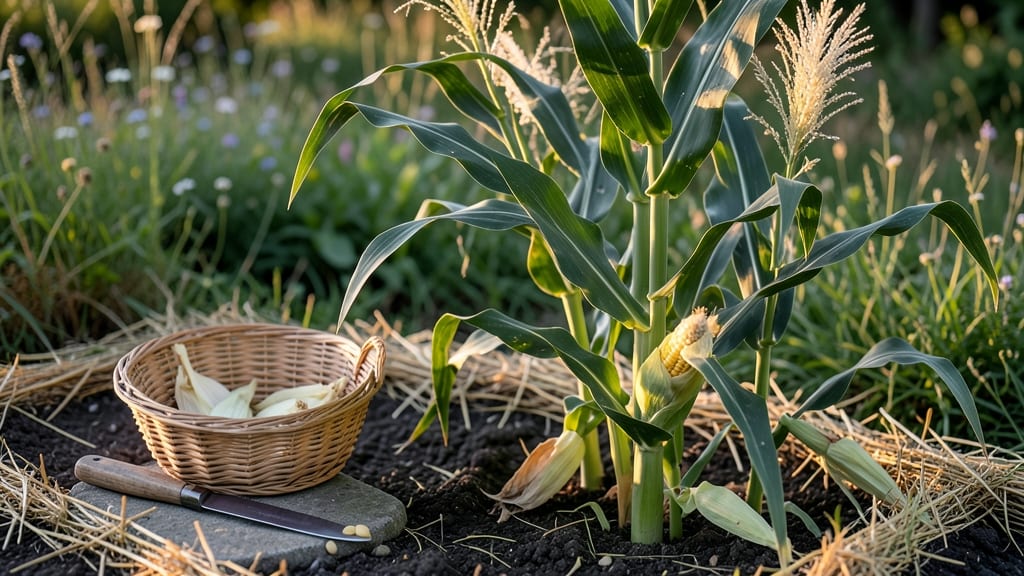
California’s corn season delivers sweet, plump ears when you plant at the right time—just 30 days too early or late, and you’re left with stunted stalks or no harvest at all.
Picture this: you’ve cleared your garden, soil is warm, and the 🌽 seeds are ready—only to watch them bolt in the heat or wilt from a surprise frost.
That’s why knowing your exact planting window (coastal vs. Central Valley vs. desert) is the difference between a bumper crop and wasted effort.
Here’s the deal: California’s 9a-11 climate zones mean your neighbors might be harvesting while your corn still looks like grass. I’ll break down the best months by region, plus how to pick varieties that handle heat, drought, or coastal breezes like a pro.
Skip the guesswork—by the end, you’ll know exactly when to plant, how to adjust for weather quirks, and which 3 varieties outperform the rest in your microclimate.
Best corn planting months in California by microclimate (with exact dates)
California’s microclimates create a corn-growing paradise—but only if you plant at the right time. The Central Valley bakes under summer sun, while coastal areas stay cooler longer.
Even high-altitude zones like the Sierra foothills have unique windows. Let’s break down the exact planting months for each region to maximize your harvest.
Timing is critical because corn hates frost and thrives in warm soil. Plant too early, and late frosts will kill seedlings. Plant too late, and summer heat stress reduces ear quality.
The key is aligning your planting window with your region’s last frost date and heat tolerance of your chosen variety.
Northern California (including Sacramento Valley and Bay Area) has the longest growing season, while Southern California deserts like Palm Springs require earlier starts. Even within these regions, elevation changes the game—high-altitude areas like Truckee need staggered plantings to avoid frost risk.
| Region | Optimal Planting Window | Last Frost Date | Heat-Sensitive Varieties | Harvest Window |
|---|---|---|---|---|
| Northern CA (Sacramento, Bay Area) | Mid-April to late May | March 15 (Bay Area), April 1 (Sacramento) | Peaches and Cream, Silver Queen | July to September |
| Central CA (San Joaquin Valley) | Late March to early June | February 15 (early areas), March 15 (later) | Ambrosia, Country Gentleman | June to October |
| Southern CA (Coastal: LA, San Diego) | February to April | December 15 (coastal), January 15 (inland) | Golden Bantam, Bodacious | May to September |
| Desert CA (Palm Springs, Joshua Tree) | April to early May | February 15 | Sweetie, Honey & Pearl | July to September |
| High Altitude (Sierra Foothills, 3000+ ft) | Late May to June (staggered) | May 15 (varies by elevation) | Early Sunglow, Golden Cross Bantam | August to September |
For Northern California, aim to plant between mid-April and late May after the last frost (typically March 15 in coastal areas and April 1 inland). Varieties like Peaches and Cream and Silver Queen thrive here, with harvests stretching from July to September.
If you’re in the Sacramento Valley, you can push planting slightly later due to warmer nights.
In Central California’s San Joaquin Valley, the growing season is longer, so you can plant as early as late March in frost-free pockets or <
How to adjust corn planting for California’s unpredictable weather patterns
California’s unpredictable weather can turn your corn dreams into drought-stressed stalks or frost-nipped failures if you’re not prepared. From late frosts in the Central Valley to scorching heatwaves in the desert regions, timing and variety selection are everything.
I’ve grown corn here for years, and these adjustments will help you beat the climate odds.
First, soil temperature is your secret weapon. Corn seeds won’t germinate well below 60°F (15°C), so wait until late April in cooler coastal areas or early March in warmer inland zones.
Use a soil thermometer—it’s a game-changer. I once planted too early in Santa Barbara and lost half my crop to a surprise frost.
🚨
⚠️ California Corn Climate Risks
- Late frosts (March-April): Can kill young plants in Northern CA and high-altitude areas.
- Heatwaves (June-Sept): Stress plants, leading to poor pollination and small ears.
- Drought: Even 1-2 weeks without water can reduce yields by 30-50%.
Solution:
Use row covers for frost protection, drip irrigation for drought, and shade cloth during extreme heat.
For frost-prone areas, choose early-maturing varieties like ‘Early Sunglow’ (60 days) or ‘Ambrosia’ (85 days). These finish before summer’s 100°F+ heat arrives. I’ve had success with succession planting: start a second batch in late May for a fall harvest. Just space them 2-3 weeks apart to stagger maturity.
Watering is where most gardeners trip up. Corn needs 1-2 inches of water weekly, but deep soakings beat frequent shallow watering. Install drip lines to keep moisture consistent—especially during tasseling (when pollen forms).
I lost a crop once because I relied on sprinklers; the wind blew water everywhere, and the roots stayed dry.
Don’t overlook mulching. A 3-inch layer of straw or wood chips locks in moisture, regulates soil temp, and suppresses weeds. In dry summers, mulch can extend your harvest window by 10-14 days.
I use black plastic mulch in the Central Valley to warm the soil faster and cut down on weeds—it’s a lifesaver for busy gardeners.
Finally, heat-tolerant varieties are your best bet for Southern California and inland areas. Try ‘Peaches and Cream’ (90 days) or ‘Silver Queen’ (95 days)—both handle 95°F+ temps better than standard varieties.
If you’re in coastal zones, ‘Golden Bantam’ (70 days) is perfect for shorter seasons. Always check the USDA zone for your area and adjust planting dates accordingly.
With these tweaks, you’ll outsmart California’s weather and enjoy sweet, plump ears all season long. The key is flexibility—stay ahead of forecasts, and don’t be afraid to adapt your plan. Happy growing! 🌽