
Blooming
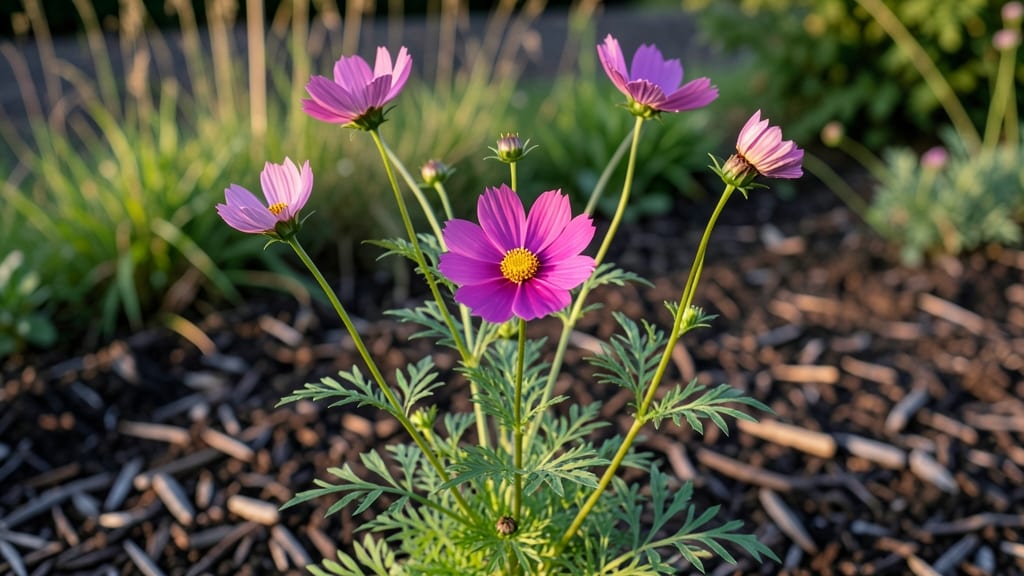
The cosmos flowering season stretches from late spring through fall 🌼, with peak blooms arriving in summer if you plant them right.
If you’ve ever admired cosmos flowers in full bloom and wondered how to make them last longer in your garden, timing is everything—planting at the right season can extend their vibrant displays by months.
In USDA Zone 6a, where spring arrives in March and frost lingers until October, cosmos thrive when seeded after the last frost—typically mid-April—giving them a full 6-month window to shine.
Below, I’ll break down the best planting windows for your zone, how to choose long-blooming varieties, and the simple care tricks that keep cosmos flowering until the first frost—or even beyond in mild climates.
Cosmos flowering season by US hardiness zones: when to plant for longest blooms
Timing your cosmos planting by USDA hardiness zones can transform a few weeks of blooms into months of vibrant color. These cheerful flowers thrive when planted at the right time—whether you're in frost-prone Zone 3 or mild Zone 11.
The key lies in understanding your frost-free dates and heat tolerance, which directly impact bloom duration.
Cosmos are heat-loving annuals that bloom best when temperatures stay above 50°F (10°C). In cooler zones, they need warm soil and direct sowing after frost to avoid leggy growth.
Meanwhile, southern gardeners can enjoy year-round blooms with strategic planting and care. Let’s break down the ideal planting windows by zone to maximize your cosmos’ flowering season.
Here’s how to align your planting with your climate for longest-lasting blooms, including regional adjustments for Southern vs. Northern growing conditions.
| USDA Zone | Last Frost Date | Ideal Planting Window | Bloom Start | Bloom End | Heat Notes |
|---|---|---|---|---|---|
| Zones 3-4 | Mid-May | Late May - Early June | July | First Frost (Oct) | Short season; plant after soil warms |
| Zones 5-6 | Mid-April | Early May - June | June | October | Long bloom with cool nights |
| Zones 7-8 | Mid-March | March - April | April | November | Year-round blooms possible |
| Zones 9-10 | None (warm winters) | August - September | September | Spring | Fall/winter blooms in mild climates |
| Zone 11 | None | Year-round (staggered) | Year-round | Year-round | Continuous blooms with care |
In Northern zones (3-6), cosmos need warm soil to germinate, which is why planting after your last frost date is critical. For example, in Zone 4, wait until late May when soil temps reach 60°F (15°C).
This ensures strong, compact growth and prolonged blooming from July through October.
Southern gardeners in Zones 7-11 have more flexibility. In Zone 8, you can plant as early as March for blooms starting in April, while Zone 11 allows for year-round planting with staggered sowings.
The trick is to avoid extreme summer heat, which can cause bolting or reduced blooms. Provide afternoon shade during peak summer months.
For extended blooming, try succession planting—sow seeds every 2-3 weeks from spring to early summer. This creates a continuous display from June through frost. In mild climates, you can even plant a fall crop in August for winter blooms
How to extend cosmos blooms: succession planting & care tips for year-round color
Cosmos flowers are nature’s gift to gardeners, offering vibrant pink, white, and magenta blooms that attract pollinators. But their natural summer-to-fall flowering season can feel too short. With the right strategies, you can stretch their beauty from early June to first frost—or even later in mild climates.
The secret lies in succession planting, smart care, and understanding their growth habits.
Most gardeners plant cosmos once in spring, expecting blooms to last until autumn. But by using staggered planting and proper maintenance, you can create a continuous display that keeps your garden lively.
I’ve learned that cosmos thrive with minimal fuss, but a few key techniques—like deadheading and soil enrichment—can dramatically extend their flowering season. Let’s dive into the proven methods that work in my garden every year.
Plant cosmos seeds in 3-week intervals from late spring to early summer. This ensures new blooms replace fading ones.
Remove spent blooms every 2-3 days to redirect energy to new flowers. Use clean pruning shears for precision.
Mix compost or aged manure into soil before planting. Cosmos prefer well-draining, slightly dry soil—never soggy.
Water deeply 2-3 times per week in summer. Let soil dry between waterings to prevent root rot.
Ensure 6+ hours of full sun daily. Partial shade reduces blooms but extends leafy growth.
Apply balanced 5-10-10 fertilizer every 4-6 weeks during active growth. Avoid over-fertilizing—it reduces blooms.
One of my favorite tricks is succession planting. Instead of one big planting in spring, I sow cosmos seeds in three batches: late May, early June, and mid-July. This creates a rolling bloom cycle that keeps my garden vibrant from June through October.
The first batch blooms in early summer, while the last batch often flowers until frost. In USDA Zone 9 or warmer, you might even get blooms into December!
Don’t overlook deadheading—this simple task removes spent blooms and signals the plant to produce more flowers. I use clean pruners to snip just above the next set of leaves.
This encourages continuous flowering and keeps cosmos looking tidy. Pair this with a light fertilizer application every 6 weeks, and you’ll see a noticeable difference in bloom quantity.
Cosmos are drought-tolerant once established, but they still need consistent moisture during their first few weeks. Water deeply in the morning to avoid fungal issues. In my experience, mulching with straw helps retain moisture and suppress weeds, reducing the need for frequent watering.
For year-round color, combine these tips with companion planting—try pairing cosmos with sunflowers or marigolds for a stunning seasonal display.
With these strategies, your cosmos can bloom for up to 5 months or longer in mild climates. The key is consistency: staggered planting, regular deadheading, and smart watering.
My garden stays colorful well into autumn, and I’ve even had late-season blooms in Zone 7 with a little extra care. Give it a try—your garden will thank you!