
Blooming
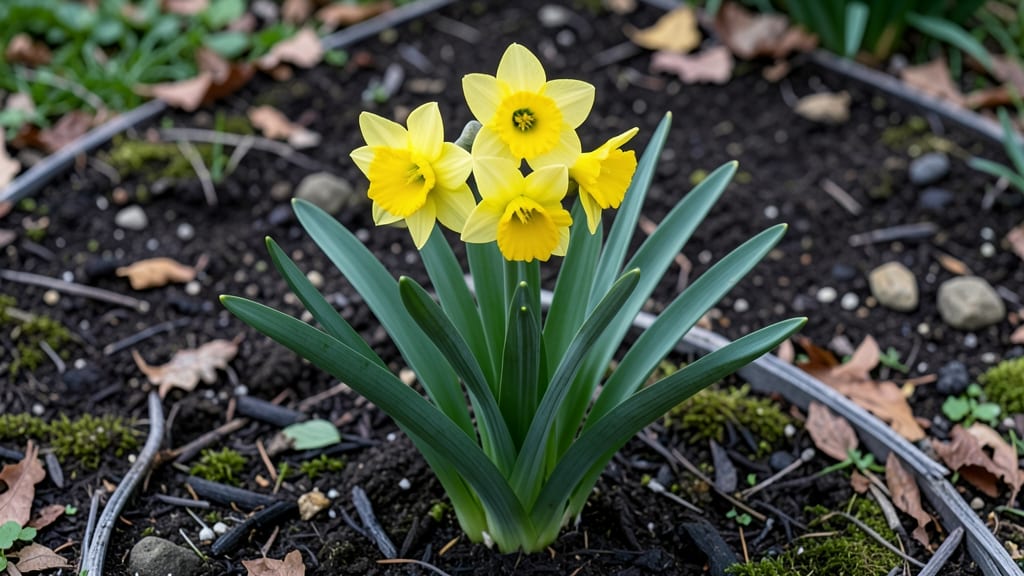
The daffodil blooming season transforms my garden from a sleepy winter landscape into a vibrant canvas—sometimes as early as February in my zone, when their bright yellow trumpets signal warmer days ahead. 🌸 I’ve watched them burst into bloom as the first true heralds of spring. mild climates, or by late March in colder regions.
The timing depends on your zone, the specific variety you’ve planted, and even last year’s weather patterns. Most gardeners plant daffodil bulbs in the fall, about 6-8 weeks before the ground freezes, giving them time to establish roots before winter.
Once they bloom, they need minimal care: just keep the soil moist and remove spent flowers to encourage stronger growth next year. My early-blooming varieties like 'Tête-à-Tête' often appear weeks before tulips, while later types like 'Ice Follies' stretch the season until May.
The real magic happens when you plan around their bloom cycle. Use them as a marker for when to plant warm-season veggies, or let them naturalize in meadow-style gardens where they’ll return year after year.
Even their fading foliage has purpose—leave it until it yellows completely to feed the bulb for next season’s show. For gardeners in colder climates, a little mulch in late fall can help protect bulbs and encourage earlier blooms.
And if you’ve ever wondered why some daffodils bloom weeks before others, it’s all about the variety—some are bred for early color, while others wait for the heat to coax them into flower.
📚 In This Guide
- What you need
- Instructions
- Tips and common mistakes
- Wrapping up and next steps
What you need
- ● Daffodil bulbs: Choose Narcissus varieties (e.g., 'Ice Follies,' 'Tête-à-Tête,' or 'Geranium'). Buy 10-20 bulbs for a small garden bed or 50+ bulbs for a full display.
- ● Well-draining soil: Amend clay or heavy soil with compost or sand (1 part per 3 parts soil) to prevent bulb rot.
- ● Garden fork or trowel: For planting—opt for a sturdy, long-handled fork (12-18 inches) for deeper bulbs.
- ● Organic fertilizer: A balanced 10-10-10 or bulb-specific fertilizer (e.g., 5-10-10) to boost early growth.
- ● Mulch: 2-3 inches of straw or shredded bark to retain moisture and insulate roots.
- ● Soil pH tester: Daffodils thrive in slightly acidic to neutral soil (pH 6.0–7.0)—adjust with lime or sulfur if needed.
- ● Drip irrigation system: For consistent moisture without overwatering (especially in drought-prone areas).
- ● Slug/bait traps or copper barriers: Protect blooms from pests with organic slug pellets or DIY beer traps.
- ● Garden gloves: To keep hands clean while handling soil and bulbs.
- ● Plant markers: Label varieties with biodegradable stakes for easy identification.
How to extend your daffodil blooming season
With a few simple adjustments, you can stretch those golden trumpets from early spring into late winter.
🌱 Step 1: Choose the Right Daffodil Varieties
Not all daffodils bloom at the same time. For a prolonged show, mix early bloomers like 'Tête-à-Tête' (February-March) with mid-season varieties such as 'Ice Follies' (March-April) and late bloomers like 'Peeping Tom' (April-May). I like to plant at least three different types to create a staggered effect. Look for labels at nurseries—some even indicate bloom times right on the tag.
Here's the thing—some daffodils rebloom if given the right care. Varieties like 'St. Keverne' and 'February Gold' sometimes produce a second flush of flowers in fall if you deadhead the first bloom and keep them well-watered. Just don't expect miracles from every bulb—only about 20% of daffodils reliably rebloom, but those that do are worth the extra effort.
☀️ Step 2: Plant in the Perfect Spot
Daffodils need full sun to partial shade—at least 6 hours of sunlight daily for best blooms. I plant mine where they get morning sun and afternoon shade, especially in hotter climates. The soil should drain well; daffodils rot in soggy conditions. If your garden has heavy clay, mix in sand or grit to improve drainage before planting.
Don't plant them too deep—6 inches deep is ideal for most varieties. Dig a hole twice as wide as the bulb to encourage root spread. I always plant in clusters of 3-5 bulbs for a fuller look, spacing them 4-6 inches apart. The more bulbs, the more blooms you'll get, and the longer the season will stretch.
💧 Step 3: Water and Fertilize for Long-Lasting Blooms
Water daffodils deeply when the tops appear in early spring, then taper off once the foliage turns yellow in late spring. Overwatering after blooming encourages rot. I use a balanced, slow-release fertilizer (like 10-10-10) in early fall and again in late winter—just sprinkle it around the base and water it in. Too much nitrogen now will make the bulbs focus on leaves instead of blooms.
Real talk: Daffodils are tough, but they do need consistent moisture during their growing season. If your spring is dry, water once a week until the blooms fade. Mulch with 2-3 inches of organic matter (like shredded bark) after planting to retain moisture and regulate soil temperature. Just keep the mulch a few inches away from the stems to prevent rot.
✂️ Step 4: Deadhead and Care for Foliage
Cut back the flower stems when they turn brown, but leave the yellowing foliage until it dies back naturally. This is how the bulb stores energy for next year’s blooms. I snap off spent blooms with my fingers—no need for fancy pruners. If you see any bulbs with mold or soft spots, dig them up and compost them to prevent disease from spreading.
Here's where it gets fun—if you want reblooming, remove the faded blooms but keep the foliage until it fully yellows. Some gardeners even feed their daffodils a light dose of phosphorus-rich fertilizer (like bone meal) in early summer to encourage next year’s flowers. It’s a gamble, but worth trying if you love those bright blooms.
⏰ Step 5: Plan for Next Year’s Blooms
After the foliage dies back, let the soil dry out before watering again. In late summer, when the leaves have completely disappeared, it’s time to fertilize with a bulb-specific food or a low-nitrogen, high-phosphorus mix. This gives the bulbs a nutrient boost for next spring. I also make a note of which varieties bloomed best and which ones flopped—this helps me adjust my planting plan for longer seasons.
If you want to extend the blooming season even further, consider adding some early spring bulbs like crocuses or winter aconites nearby. They’ll bloom before the daffodils and create a beautiful transition. Just don’t plant them too close—daffodils release toxins that can inhibit other bulbs from growing well nearby.
Tips & tricks for extending your daffodil blooming season
A few simple adjustments can transform your daffodils from a fleeting spring showstopper into a prolonged display of golden cheer.
Variety Selection Strategy: When choosing your daffodil varieties in Step 1, prioritize those with staggered bloom times. I recommend including at least one early bloomer like 'Tête-à-Tête' (February-March) and one late bloomer like 'Peeping Tom' (April-May) to create that cascading effect. Pro tip: Look for varieties labeled "reliable rebloomers" like 'St. Keverne'—these are your secret weapons for extending the season. Just remember, only about 20% of daffodils reliably rebloom, so don't get discouraged if not every bulb delivers.
Sunlight Optimization: For Step 2, pay special attention to your planting location's sunlight patterns. While daffodils need at least 6 hours of sunlight daily, morning sun with afternoon shade works best in hotter climates. I've found that planting near deciduous trees—like oak or maple—gives you that perfect light balance. The key is to avoid areas where they'll get scorched by afternoon sun or smothered by too much shade.
Fertilizer Timing: In Step 3, timing your fertilizer applications is everything. That balanced 10-10-10 fertilizer in early fall and late winter gives your bulbs just the right nutrients without encouraging excessive leaf growth at the wrong time. Here's what nobody tells you—if you're aiming for reblooming, add a light dose of phosphorus-rich fertilizer like bone meal in early summer (after the first bloom) to give those bulbs extra energy for a second show.
Foliage Care Secret: The most overlooked step is Step 4's foliage care. That yellowing foliage isn't just decoration—it's storing energy for next year's blooms. I've seen gardeners cut back too soon and get disappointed when their daffodils don't perform as well the following year. Wait until the foliage turns completely brown and crispy before cutting it back. This simple patience pays off with bigger, brighter blooms the next spring.
Pro Tips for Daffodil Blooming Season
- A few simple adjustments can transform your daffodils from a fleeting spring showstopper into a prolonged display of golden cheer.
- Variety Selection Strategy: When choosing your daffodil varieties in Step 1, prioritize those with staggered bloom times.
- Sunlight Optimization: For Step 2, pay special attention to your planting location's sunlight patterns.
Frequently asked questions
Got questions about the daffodil blooming season? You’re not alone! Here are some of the most common queries—plus quick answers to help you make the most of this cheerful time of year.
When is the best time to plant daffodils for spring blooms?
Plant daffodil bulbs in fall (typically 6–8 weeks before the first hard frost), ideally between October and December. This gives roots time to establish before winter. For zones with mild winters, late fall works too—just aim for cooler soil temps (below 60°F).
How long does daffodil blooming season last?
Most daffodils bloom for 2–3 weeks, but timing varies by variety. Early bloomers (like Jonquil) may appear in late winter, while late varieties (like Ice Follies) can linger into early May. Chilly springs often extend the show!
Why aren’t my daffodils blooming this year?
Common culprits include:
- Too much shade—Daffodils need at least 6 hours of sunlight daily.
- Overcrowded bulbs—Dig up and divide bulbs every 3–5 years if blooms fade.
- Poor soil—Amend with compost for better drainage and nutrients.
- Over-fertilizing—Too much nitrogen = fewer flowers!
Give them a balanced fertilizer in early spring to encourage blooms.
Can I cut daffodils for bouquets without hurting the plant?
Yes! Cut stems when half the flowers open (leave 2–3 leaves attached to feed the bulb). Avoid harvesting every stem—let some flowers set seed to ensure next year’s blooms. Deadhead spent blooms, but never cut foliage until it yellows!
Are there daffodil varieties that bloom earlier or later than average?
For early bloomers, try ‘Tête-à-Tête’ or ‘February Gold’ (late winter). For late bloomers, ‘Thalia’ or ‘Salome’ shine in April–May. Mix varieties to stretch your daffodil blooming season from February to June!
Pro Tip:
Mark your calendar! Daffodils often bloom 2–3 weeks before tulips, making them the perfect early spring harbingers. Plant them near patios or walkways to enjoy their bright yellow cheer as soon as the snow melts.
Wrapping up and next steps
The daffodil blooming season is a vibrant reminder that spring is here—bringing sunshine, renewal, and a burst of cheerful yellow to gardens everywhere. Whether you’re planting bulbs for next year or simply savoring their fleeting beauty, these resilient blooms inspire joy and hope. 🌼
Now that you’re armed with tips and answers, why not take the next step? Visit a local nursery to pick out your own daffodil bulbs, or plan a springtime walk to admire nature’s artistry. Every bloom is a celebration—go ahead and make yours part of the magic! 🌱