
Blooming
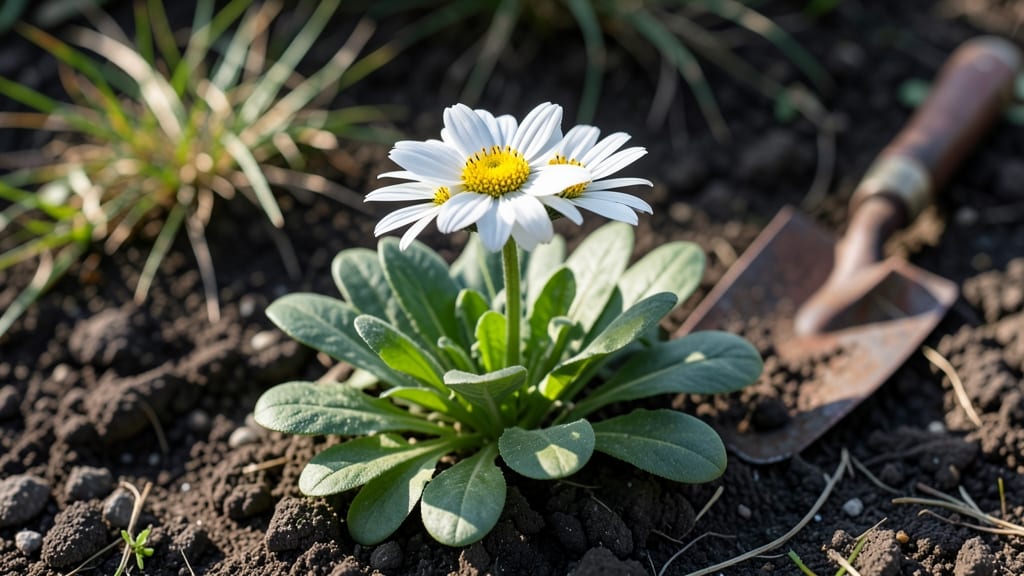
Your garden transforms in June when daisies burst into bloom. 🌼 Shasta daisies, gerbera daisies, and native varieties all shine during daisy bloom season, turning yards into pollinator magnets with their cheerful faces.
The timing varies—some bloom in late spring, while others stretch into fall—but with the right care, you can keep those sun-kissed petals appearing all summer long.
Most daisies thrive in full sun and well-drained soil, but their bloom seasons depend on your climate. Cool-season varieties like Shasta daisies often start in early summer, while gerbera daisies prefer warmer months and may bloom until frost.
Deadheading spent blooms and providing consistent watering can extend their season, giving you weeks of continuous color instead of a single burst.
To plan for a daisy-filled garden, choose varieties that overlap in bloom time—pair spring-blooming Shastas with late-summer gerberas for a seamless transition. Mulching helps retain moisture, while companion plants like lavender or catmint can attract even more pollinators.
With these simple steps, your garden stays vibrant from June through September, or even later in milder climates.
For best results, prep soil in early spring with compost and choose daisy varieties suited to your region. Whether you're planting perennials for years of blooms or annuals for instant color, daisies deliver effortless beauty with minimal fuss. Start planning now—your summer garden will thank you.
📚 In This Guide
- What you need
- Instructions
- Tips and common mistakes
- Wrapping up and next steps
What you need
- ● Daisy Seeds or Plants: 10–20 Oxeye Daisy (Leucanthemum vulgare) or Shasta Daisy (Leucanthemum × superbum) plants (potted or seeds)
- ● Perennial varieties for long-term blooms (e.g., Black-eyed Susan or Coneflower as companions)
- ● Well-Draining Soil: 1–2 bags of garden loam or compost (50 lbs each)
- ○ Optional: Perlite or vermiculite (10 lbs) for sandy soil
- ● Fertilizer: 1 bag of balanced, slow-release fertilizer (10-10-10 or 5-5-5, 20 lbs)
- ○ Optional: Organic compost tea for a natural boost
- ● Watering Supplies: Garden hose with adjustable nozzle or drip irrigation kit
- ● Watering can (5-gallon capacity) for seedlings
- ● Hand Trowel (for planting seeds/seedlings)
- ● Garden Gloves (to protect your hands)
- ● Pruning Shears (for deadheading spent blooms)
- ● Measuring Tape or Ruler (to space plants 12–18 inches apart)
- ○ Mulch (Optional): 2–3 bags of straw or wood chips (to retain moisture and suppress weeds)
- ● 📅 Planting Timing: Start seeds indoors 6–8 weeks before last frost or transplant potted daisies in spring or early summer (Zone 3–10).
- ● ☀️ Sunlight: Full sun (6+ hours daily) for vibrant blooms.
- ● 💧 Watering Schedule: 1–1.5 inches of water per week (adjust for drought).
- ● 🐝 Pollinator-Friendly Location: Avoid pesticides and plant near other nectar sources (e.g., lavender, sunflowers).
How to extend daisy bloom season for continuous pollinator delights
Here's how I keep daisies flowering all summer—no fancy tricks, just smart timing and care.
🌱 Step 1: Plant at the Right Time for Season-Long Blooms
Start with established nursery plants in early spring (as soon as soil warms to 50°F) for the longest bloom season. If planting from seed, sow 6-8 weeks before last frost—daisies grow fast but need time to establish roots before summer heat arrives. I always choose varieties like 'Bee Happy' or 'White Swan' for their heat tolerance and continuous blooming habits.
Choose a spot with full sun (6+ hours daily)—this is non-negotiable for daisies. The more sun, the longer they'll bloom. If your yard has afternoon shade, opt for shade-tolerant varieties like 'Susan' daisies instead of traditional gerbera types. Plant 12-18 inches apart to allow airflow, which prevents fungal diseases that cut blooms short.
☀️ Step 2: Water Deeply but Strategically for Heat Resistance
Water deeply once a week (about 1 inch total) rather than frequent shallow waterings. This encourages deep root growth, which makes daisies more drought-tolerant once established. I water in early morning to let foliage dry before evening—wet leaves invite powdery mildew, which turns petals brown and stops blooming.
After the first month, check soil moisture by sticking your finger 2 inches deep. If it feels dry, water thoroughly. Overwatering causes root rot, which shows as yellowing leaves and fewer blooms. Mulch with 2-3 inches of shredded bark around plants to retain moisture and keep roots cool during heatwaves.
✂️ Step 3: Deadhead Regularly to Prolong Blooming
This is the secret to continuous flowers. Snip off spent blooms every 2-3 days with clean shears, cutting just above the next set of buds. I do this in the morning when stems are stiff—it's easier to see where to cut. Never pull off whole stems; this removes potential new blooms hiding in the foliage.
Watch for buds forming at the base of old blooms—these are your next flowers. If you see buds but no new blooms opening, your plants might need more sunlight or phosphorus-rich fertilizer. I use a balanced 10-10-10 fertilizer every 4-6 weeks during peak bloom season to keep energy flowing to petals instead of seeds.
🐝 Step 4: Protect Flowers from Pests Without Harming Pollinators
Daisies attract bees, butterflies, and ladybugs—good guys you don't want to disturb. If you spot aphids (tiny green bugs on stems), spray with neem oil mixed with water (1 tbsp per quart) in the evening when pollinators are inactive. I avoid chemical sprays—they kill beneficial insects that keep pests in check.
Japanese beetles are the biggest threat. Handpick them in the morning when they're sluggish, or drape floating row covers over plants during peak beetle season (late summer). Remove covers when flowers open to let pollinators return. Aphids and beetles stress plants, which often results in fewer blooms, so early intervention keeps daisies thriving.
⏰ Step 5: Adjust Care as Seasons Shift for Fall Blooms
By late summer, daisies start slowing down as days shorten. To extend blooming into fall, reduce fertilizer after mid-August—too much late-season feeding encourages leafy growth over flowers. Instead, focus on watering and deadheading right up until first frost.
Watch for buds forming in late summer—these may bloom if nights stay above 50°F. In colder zones, cut back spent stems to 4-6 inches tall in fall and mulch heavily. Many daisy varieties are perennials and will rebloom next spring with minimal care, giving you an early start to another pollinator-friendly season.
Tips & tricks for prolonging daisy bloom season
These simple strategies will help you keep your daisies blooming beautifully all summer long.
Sunlight Strategy: If your yard has afternoon shade, consider moving your daisies to a sunnier location or supplementing with a small grow light for 2-3 hours in the afternoon. Even just 4-5 hours of direct sunlight can make a noticeable difference in bloom quantity. I've seen daisies in partial shade still produce flowers, but they'll be fewer and smaller than those getting full sun.
Deadheading Timing: The 2-3 day deadheading schedule in Step 3 works best when done consistently. I set a reminder on my phone for every Tuesday and Friday morning to keep this habit going. Look for buds forming at the base of old blooms—these are your next flowers waiting to open. If you see buds but no new blooms, check if your plants need more sunlight or phosphorus-rich fertilizer.
Pest Prevention: Japanese beetles are the biggest threat to daisy blooms. I've found that draping floating row covers over plants during peak beetle season (late summer) works wonders. Just remember to remove the covers when flowers open to let pollinators return. For aphids, I mix 1 tablespoon of neem oil with a quart of water and spray in the evening when pollinators are inactive.
Seasonal Adjustments: By late summer, reduce fertilizer after mid-August to prevent leafy growth that steals energy from flowers. Focus instead on watering and deadheading until first frost. In colder zones, cut back spent stems to 4-6 inches tall in fall and mulch heavily. Many daisy varieties are perennials and will reward you with early spring blooms next year.
Pro Tips for Daisy Bloom Season
- These simple strategies will help you keep your daisies blooming beautifully all summer long.
- Sunlight Strategy: If your yard has afternoon shade, consider moving your daisies to a sunnier location or supplementing with a small grow light for 2-3 hours in the afternoon.
- Deadheading Timing: The 2-3 day deadheading schedule in Step 3 works best when done consistently.
Frequently asked questions
Got questions about daisy bloom season? You’re not alone—gardeners and nature lovers often wonder about timing, care, and even how to extend those cheerful blooms. Here are answers to the most common queries to help you make the most of your daisy-filled summer!
When is the best time to plant daisies for a long bloom season?
For long-lasting blooms, plant daisies in early spring (after the last frost) or early fall. Spring planting gives them time to establish roots before summer heat, while fall-planted daisies often bloom earlier the next year. Choose varieties like Gerbera daisies or Shasta daisies for extended color from late spring to frost.
Why aren’t my daisies attracting bees or butterflies?
Daisies love pollinators—but if yours are ignored, check these fixes:
- Bloom time: Plant daisies that peak when bees are active (morning to early afternoon).
- Watering: Lightly moist (not soggy) soil encourages nectar production.
- Pesticides: Avoid chemicals—opt for neem oil or soapy water sprays instead.
- Companion plants: Add lavender, coneflowers, or marigolds to create a pollinator buffet!
How do I make my daisies bloom longer?
Deadhead spent blooms regularly to encourage new flowers, and fertilize lightly with balanced 10-10-10 or fish emulsion every 4–6 weeks. For heat-stressed daisies, provide afternoon shade in hot climates. Mulch around the base to retain moisture—this keeps roots happy and blooms bountiful!
Can I grow daisies in containers, or do they need a garden bed?
Dwarf varieties like Gerbera daisies or Oxeye daisies thrive in 5–7 gallon pots with drainage holes. Use well-draining potting mix and place containers in full sun. Rotate pots weekly for even growth, and water when the top inch of soil feels dry. Pro tip: Add slow-release fertilizer at planting for a nutrient boost!
Will daisies come back every year, or do I need to replant?
Most perennial daisies (like Shasta or Nippy daisies) return yearly, but annual varieties (e.g., African daisies) need replanting. Cut back dead foliage in late fall to protect roots, and mulch heavily in Zone 5 or colder. If your daisies fade after winter, they may need division—dig up clumps every 3–4 years to rejuvenate growth!
Wrapping up and next steps
As daisy bloom season paints your garden in cheerful whites and yellows, remember that these sun-loving flowers aren’t just beautiful—they’re nature’s way of inviting pollinators to thrive. 🌼 Whether you’re a seasoned gardener or just starting, every daisy planted is a step toward a buzzing, vibrant ecosystem.
Now’s the perfect time to act: grab those seeds, prep your soil, and watch your garden become a pollinator paradise!
Next step:
- 🌱 Plant a few daisies this week—even a small patch makes a difference!
- 📅 Mark your calendar for deadheading in late summer to extend the blooms.
- 🐝 Share the joy with neighbors by encouraging them to join in!