
Blooming
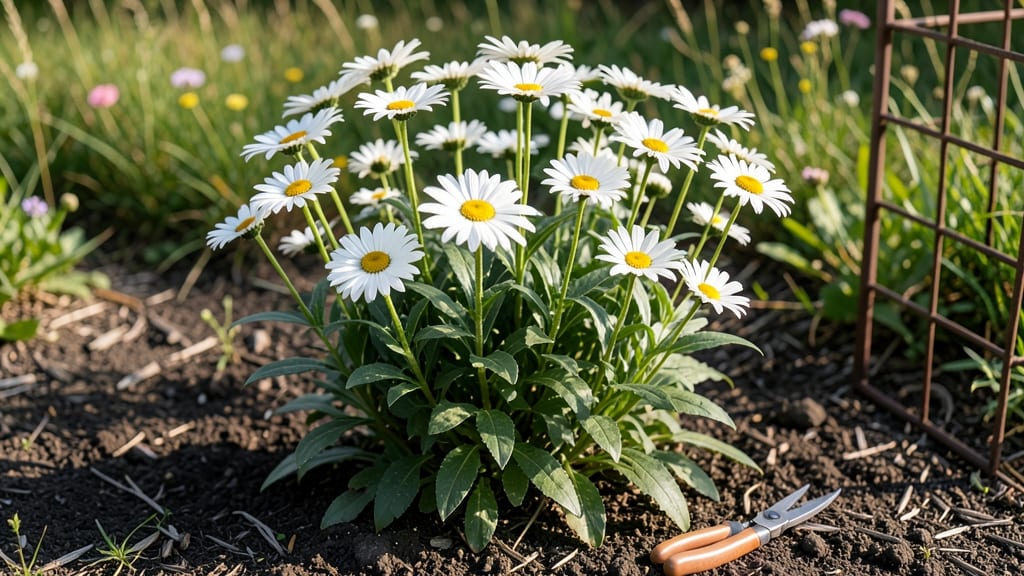
Your Shasta daisy bloom season spans mid-to-late summer, turning your garden into a sunlit sea of 🌼 white beauty—but timing and care make all the difference.
Picture this: June mornings when your yard bursts with towering blooms, their petals unfurling like clockwork. Yet, one wrong move—skipping deadheading or planting in shade—and those 6-8 weeks of glory shrink to half.
The secret? Knowing when to expect flowers, how to stretch their season, and what your local climate demands.
From USDA Zone 6a to warmer regions, bloom times shift slightly—early varieties may start as soon as June**, while late-season types linger into September. I’ll break down the exact months for your area, plus the 3 care tweaks that double your blooms without extra work.
Ready to turn your garden into a pollinator paradise? Here’s your month-by-month guide to longer, brighter Shasta daisy seasons—no guesswork, just proven results.
Shasta daisy bloom season by region: when and how long they flower
Timing your Shasta daisy blooms depends heavily on your USDA hardiness zone and microclimate. These classic perennial flowers typically burst into bloom from mid-June to early September, but cooler regions can see earlier starts, while hotter zones may extend flowering into late fall.
Understanding your local bloom window helps you plan for continuous garden interest and maximize those iconic white petals.
In USDA Zone 5, where winters are colder, Shasta daisies often begin blooming in late June and continue through early August, lasting about 6-7 weeks. Meanwhile, gardeners in Zone 9 might enjoy blooms from May through October, stretching the season by nearly 5 months.
The key difference? Cooler climates trigger earlier flowering, while warmer zones delay the start but often extend the show.
| USDA Zone | Typical Bloom Start | Peak Bloom Period | Bloom Duration | Key Climate Factor |
|---|---|---|---|---|
| 5 | Late June | July-August | 6-7 weeks | Cooler summers |
| 6-7 | Early June | June-September | 12-14 weeks | Moderate summers |
| 8 | May | May-October | 16-18 weeks | Long growing season |
| 9 | April-May | May-November | 20-24 weeks | Mild winters |
Your local microclimate plays a bigger role than you might think. A north-facing garden in Zone 7 could delay blooms by 2-3 weeks compared to a south-facing bed. Similarly, high-altitude gardens (even in warm zones) often see earlier blooms due to cooler temperatures.
To check your specific timing, note when nearby Shasta daisies in similar conditions begin flowering.
For extended bloom seasons, focus on three critical factors: sunlight exposure, soil fertility, and water consistency. Shasta daisies need 6-8 hours of full sun daily—any less shortens their bloom time.
Amend your garden soil with compost or aged manure before planting to ensure they have nutrients for prolonged flowering. I’ve found that plants in well-draining, slightly acidic soil (pH 6.0-7.0) produce larger blooms and stay in flower longer.
Deadheading—removing spent blooms—is another game-changer. When you snip off faded flowers just above the next set of leaves, you redirect the plant’s energy toward producing new buds instead of seeds. I’ve seen bloom seasons extend by 3-4 weeks simply by deadheading twice weekly during peak season.
Pair this with regular watering (1-2 inches per week) and you’ll keep those white petals popping all summer.
If you’re in a hotter climate like Zone 9, watch for heat stress during late summer. When temperatures exceed 90°F (32°C), blooms may wilt or drop prematurely. Providing afternoon shade with a lightweight shade cloth (30-50% shade) can preserve blooms for 2-3 extra weeks.
I’ve also noticed that mulching with straw helps retain soil moisture, which is crucial during peak heat.
For early bloomers, try planting dwarf varieties like 'Becky' or 'Alaska'—they often flower 2-3 weeks earlier than standard types. These compact daisies (18-24 inches tall) also handle cooler spring temperatures better, making them ideal for Zone 5-6 gardens. If you want late-season color
5 Proven tips to extend your Shasta daisy bloom season naturally
Want your Shasta daisies to put on a longer, more dramatic show? The secret lies in smart care that mimics their natural preferences. These sun-loving perennials typically bloom for 4-8 weeks, but with the right approach, you can stretch that into 10+ weeks of continuous beauty.
The key is understanding their growth cycles and giving them exactly what they need at each stage.
First, let's address the biggest misconception: Shasta daisies don't need constant feeding or heavy watering. In fact, overdoing either can actually shorten their bloom season. The magic happens when you balance soil health, watering discipline, and strategic pruning.
Think of it like giving your plants a spa treatment - they'll reward you with bigger, healthier blooms that last longer.
- Master deadheading - Snip off spent blooms at the base every 2-3 days during peak bloom to redirect energy to new flowers. Use clean, sharp pruners to avoid damaging stems.
- Fertilize strategically - Apply balanced 5-10-10 fertilizer only twice: once at planting and again in early spring. Avoid summer feeding which promotes leafy growth over blooms.
- Water deeply but infrequently - Give 1-2 inches weekly in morning hours to prevent fungal issues. Let soil dry slightly between waterings to encourage strong root development.
- Plant with pollinator pals - Pair with bee balm and catmint to attract beneficial insects that boost plant health. Avoid competitive plants like tall grasses that steal sunlight.
-
Create a seasonal calendar - Follow this simple routine:
- Spring: Light feed + mulch
- Summer: Deadhead daily + water deeply
- Fall: Reduce watering + cut back faded stems
Let's start with the most impactful technique: deadheading. This isn't just about keeping your garden looking tidy - it's the #1 way to extend blooming. When you remove spent flowers, you're telling the plant "keep making more!"
The key is to cut below the next set of buds where the stem meets the foliage. This encourages the plant to direct its energy upward rather than producing seeds. I like to do this first thing in the morning when the blooms are dry and the stems are firm.
Your watering schedule plays a surprisingly large role in bloom duration. Shasta daisies are surprisingly drought-tolerant once established, but they do need consistent moisture during their active growing season. The golden rule is to water deeply but infrequently.
This means soaking the root zone until water runs out the bottom, then waiting until the top inch of soil is dry before watering again. This encourages deep root growth, which makes your plants more resilient and able to support more blooms.
Don't forget about companion planting - what you put around your Shasta daisies can either help or hinder their performance. Plant them with pollinator-friendly flowers like lavender or coneflowers to attract bees and butterflies.
These beneficial insects help with pollination and keep pest populations in check. Avoid planting them near aggressive spreaders like mint or overcrowding them with other tall plants that might block their sunlight.
For a truly long-blooming display, create a simple seasonal care calendar. Start in early spring by adding a 2-inch layer of compost around your plants. This gives them a gentle nutrient boost without encouraging too much leafy growth.
Then in summer, make deadheading your daily habit - even just 10 minutes every morning can make a huge difference. As summer winds down, reduce watering gradually and cut back any remaining stems to about 6 inches tall to prepare for next year's blooms.