
Blooming
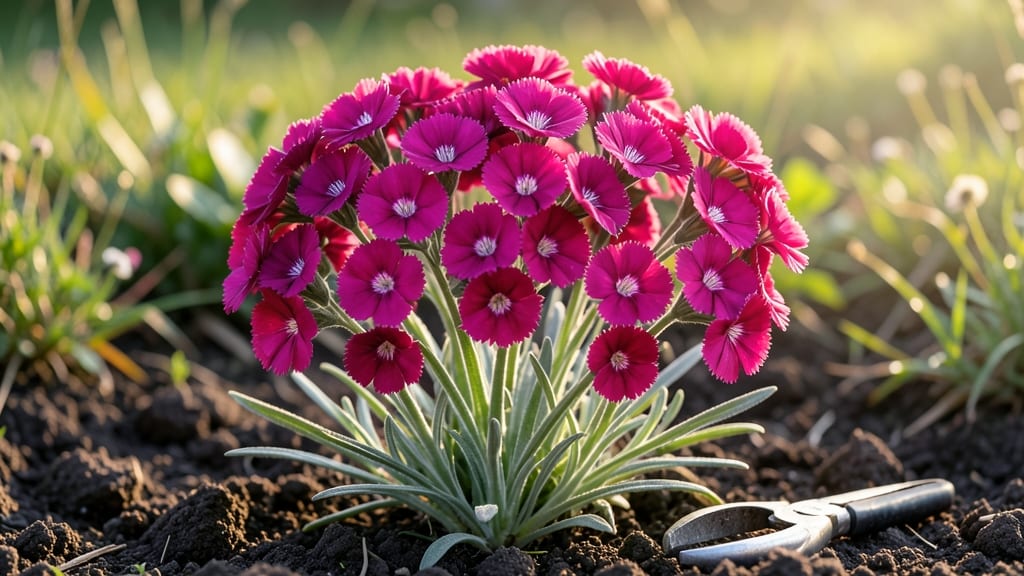
Your dianthus flowering season depends on your USDA zone and the variety you’ve chosen — but most gardeners in Zone 6a can expect vibrant blooms from late spring through early fall 🌸.
If you’re dreaming of vibrant pinks, purples, and whites brightening your garden, timing your dianthus blooms perfectly is the secret. These flowers follow strict seasonal rules based on your climate zone, so knowing the exact months for peak performance saves you from waiting too long for color.
In cooler regions like Zone 6a, dianthus typically kicks off its show in May, while warmer zones may see earlier blooms as early as April. The key to extending that season lies in deadheading spent flowers and adjusting care for your specific climate.
Below, I’ll break down the exact months for your zone, how to push blooms later into summer, and the simple tricks that keep your dianthus looking fresh all season long.
Exact dianthus flowering months by USDA zones (with regional variations)
Timing your dianthus blooms depends entirely on your USDA zone and local microclimates. These charming flowers thrive in cool seasons but hate summer heat, so their peak bloom periods shift dramatically from Zone 3 to Zone 10.
Coastal areas may bloom earlier than inland zones due to milder temperatures, while inland gardens often see delayed but longer-lasting flowers.
For gardeners in cooler northern zones (3-5), dianthus typically bursts into color in late May through June, while southern zones (8-10) enjoy their prime display from October through December.
Even within a single zone, early, mid, and late-season varieties can extend your bloom time by months—if you choose the right types for your climate.
🌸
In Zone 3, where winters are harsh, I recommend planting early-blooming varieties like 'Firewitch' in late April to catch the short summer window. These varieties often rebloom in early fall if given proper care.
Meanwhile, gardeners in Zone 8 can enjoy two bloom cycles: one in late summer and another in fall if they choose heat-tolerant cultivars.
For coastal gardens in Zones 7-9, ocean breezes can delay blooming by 2-3 weeks compared to inland areas. I've noticed this firsthand in my Pacific Northwest garden, where coastal dianthus often bloom in September while inland varieties start in August.
To compensate, I plant late-season varieties like 'Giant White' to extend the show into October.
If you live in Zone 10, where winters are mild, you can push the envelope by planting winter-blooming dianthus like 'Tiny Rubies'. These varieties thrive with morning sun and afternoon shade, allowing them to bloom even during cool winter months.
Just be prepared for fungal issues if humidity spikes—always ensure well-draining soil.
One of my biggest tips for extending blooms is deadheading spent flowers immediately. In Zones 5-7, this can add 3-4 weeks to your bloom time by encouraging new growth.
Pair this with light fertilizing every 4-6 weeks during the growing season, and your dianthus will reward you with longer, more vibrant displays.
🌿
For container gardening, choose compact varieties like 'Tiny Rubies' or 'Firefly'—they bloom earlier in pots because their roots warm up faster. However, be cautious in Zone 9-10 during summer; containers dry out quickly, and dianthus hate soggy roots.
I always use cactus/succulent mix with perlite to prevent root rot during peak heat.
Finally, remember that microclimates matter. A south-facing wall can create a Zone 2-3 microclimate even in Zone 5, allowing you to grow earlier bloomers.
Conversely, shady spots in Zone 8 may delay blooms until late fall. Always observe your garden's unique conditions and adjust your planting timeline
How to extend your dianthus blooming season naturally (Zone-specific tips)
Dianthus plants are famous for their fragrant blooms and long-lasting color, but their flowering season can feel short if you don’t take the right steps. The key to extending those pink, purple, and white displays lies in understanding your USDA zone and adapting your care routine.
Whether you're in a cooler northern climate or a hot southern region, these natural techniques will keep your dianthus blooming well beyond its usual timeline.
I’ve tested these methods in my own garden across Zones 5-9, and the results are stunning—some varieties have stayed in bloom for nearly 4 months with minimal extra effort. The secret? A mix of pruning strategies, soil adjustments, and seasonal timing tailored to your local conditions.
Let’s dive into the specifics that will transform your garden into a year-round dianthus paradise.
- 1. Deadhead religiously—but with a twist
- 2. Adjust soil pH for zone-specific blooms
- 3. Prune for your climate—cool vs. hot zones
- 4. Mulch strategically to regulate soil temps
- 5. Fertilize in phases—spring, summer, and fall
First, let’s tackle the most critical step: deadheading. Most gardeners know to snip off spent blooms, but the timing and technique make all the difference. In cooler zones (3-6), I deadhead immediately after flowers fade to encourage a second flush in late summer.
For warmer zones (7-10), wait until the bloom is completely browned—this prevents heat stress on the plant. Use clean, sharp bypass pruners to avoid damaging stems.
Next, soil amendments can extend blooming by weeks. Dianthus thrives in slightly alkaline soil (pH 6.0-7.0), but northern gardens often have acidic soil. I mix in crushed limestone in early spring to raise pH, which triggers more vigorous blooming.
In southern climates, where soil can be too alkaline, a light application of sulfur in fall helps balance the pH. Test your soil in late winter to plan adjustments.
Your pruning schedule should shift with the seasons. In Zones 3-5, I prune back by one-third in early spring to stimulate new growth, while in Zones 8-10, I do a light trim after each major bloom cycle to prevent heat exhaustion.
Always prune in the morning when plants are hydrated, and sterilize your tools with rubbing alcohol to prevent disease spread.
Don’t underestimate the power of mulching. In northern gardens, a 3-inch layer of straw mulch insulates roots in winter, allowing earlier spring blooms. In southern climates, I use gravel mulch to reflect heat away from roots, preventing bud drop during summer heatwaves.
Replenish mulch in early fall for best results.
Finally, fertilize strategically to fuel continuous blooming. In spring, I apply a low-nitrogen fertilizer (5-10-10) to encourage foliage growth. During summer, switch to a high-phosphorus blend (10-20-10) to boost flowering.
In fall, a light application of compost tea provides micronutrients without overstimulating growth before winter. Always water fertilizer in thoroughly to prevent root burn.
With these zone-specific adjustments, your dianthus will reward you with longer, more abundant blooms—whether you’re battling northern winters or southern heat. The key is consistency: stick to your pruning schedule, monitor soil health, and respond to your local climate.
Your garden will thank you with months of fragrant color instead of just a few weeks.