
Planting
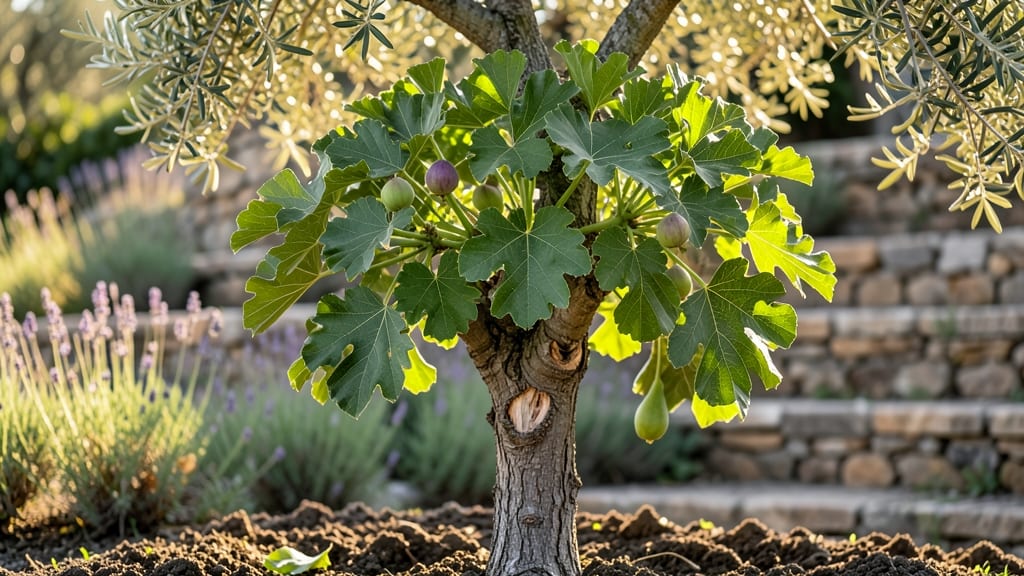
Growing figs in Zone 6 is absolutely possible with the right preparation: choose cold-hardy varieties like 'Chicago Hardy' and 'Celeste' that can withstand temperatures down to -15°F, plant in well-drained soil after the last frost, and protect them from winter winds for optimal fruit production.
Figs can thrive in Zone 6's colder climate when you focus on cold-resistant varieties and proper site selection.
The key is selecting figs bred for hardiness—like 'Desert King' or 'Osborn Prolific'—which can handle frost better than traditional Mediterranean types. 🌱 I've found that planting near a south-facing wall or using windbreaks helps shield young trees from harsh winter winds, which can damage tender branches.
Once established, these varieties often recover well, even after dips below freezing.
Timing matters just as much as variety selection. Planting in early spring after the last frost gives roots time to establish before summer heat arrives.
For winter protection, I recommend wrapping the trunk with burlap and adding a thick layer of mulch around the base—this insulation helps prevent root damage during cold snaps. Pruning in late winter (before buds swell) encourages stronger growth and better fruit production the following season.
💡 In This Article
- How to Select Cold-Resistant Fig Tree Varieties for Zone 6
- Zone 6 Fig Planting and Winter Care Guide
How to select cold-resistant fig tree varieties for Zone 6
Cold-resistant fig varieties like 'Chicago Hardy' and 'Celeste' thrive in Zone 6 because they've been bred to withstand temperatures as low as -15°F without significant damage. These varieties develop a unique survival mechanism: their roots and lower trunk produce a natural insulating layer of corky bark that protects against freezing.
Unlike Mediterranean figs, which are sensitive to frost, these hardy types enter a dormant state during winter, conserving energy until spring warmth returns. 🌟
The difference between rootstock and own-rooted plants matters significantly in winter survival. Own-rooted figs (like 'Desert King') have stronger root systems that can regenerate even after frost damage, while grafted plants rely on the rootstock's hardiness.
For Zone 6, I recommend own-rooted varieties—their deep root systems access moisture and nutrients even in dry summers, while their ability to regrow from the base after winter damage gives them an edge.
'Osborn Prolific' is another excellent choice, producing sweet, dark purple fruits while handling cold snaps better than traditional types.
When selecting varieties, pay attention to fruit characteristics too. 'Chicago Hardy' produces small, green-skinned figs with sweet, honey-like flesh, perfect for fresh eating or drying. 'Celeste' offers larger, pinkish figs with a firmer texture, ideal for baking or jams.
Both varieties ripen later in the season, avoiding early fall frosts that can damage tender fruit. The trade-off? These hardy types may yield slightly smaller crops than Mediterranean varieties, but the reliability in cold climates makes them worth it.
Another critical factor is growth habit. Cold-hardy figs tend to grow more slowly than their tender counterparts, developing a sturdy, multi-trunk structure that resists wind damage. This compact growth pattern also makes them easier to protect during winter.
For example, 'Desert King' grows to about 10-12 feet tall, while 'Celeste' stays slightly shorter at 8-10 feet, both ideal for small gardens or container growing with proper winter care.
Consider your specific climate nuances within Zone 6. Northern parts of the zone (like northern Illinois) may need extra winter protection, while southern areas (like northern Virginia) might handle figs with minimal intervention. Always choose varieties tested in your exact region—local nurseries often carry the best-adapted selections.
For instance, 'Brown Turkey' (a semi-hardy type) does well in milder Zone 6 areas but may struggle in colder pockets.
Here's what to look for when purchasing: healthy, disease-free plants with well-developed root systems, and avoid any with signs of frost damage on the bark. The best time to buy is in early spring, when nurseries stock cold-hardy varieties specifically for Zone 6 gardeners.
Remember, the right variety can mean the difference between a thriving fig tree and one that struggles to survive winter. 💛