
Planting
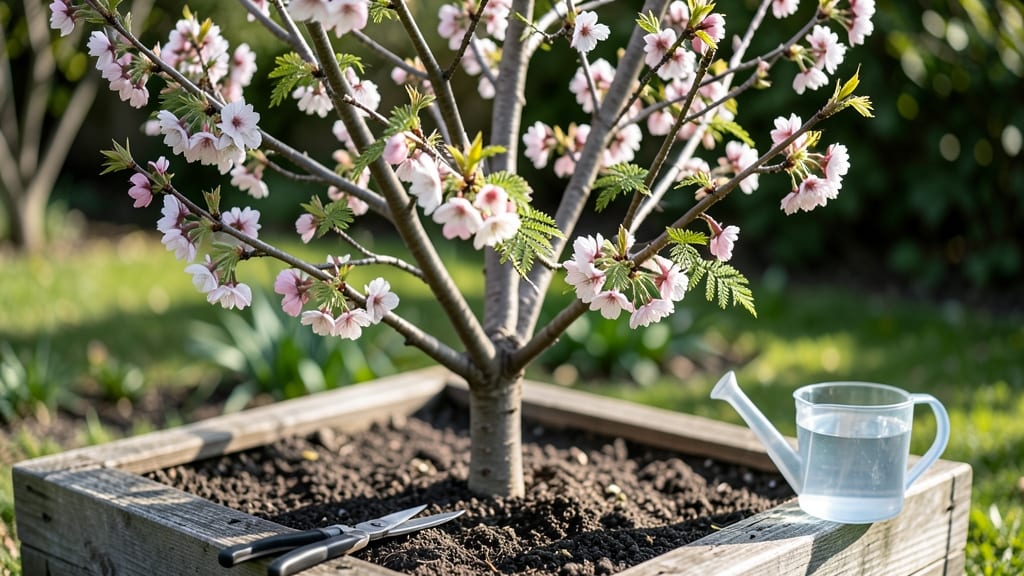
Flowering almond trees thrive best in the USDA Hardiness Zones 6 through 9, where their delicate blooms and nut production flourish with just the right balance of mild winters and warm summers. Choosing the right zone is key to maximizing both beauty and harvest potential.
These zones provide the perfect climate window for flowering almonds, with Zones 6-7 offering cooler winters that prevent dormancy issues while still delivering enough chill hours for bud development. 🌸 In warmer Zones 8-9, the trees handle heat better but may need extra care during summer droughts.
I’ve found that proper zone selection isn’t just about temperature—it’s also about avoiding late spring frosts that can damage emerging blossoms. For best results, pair zone-appropriate planting with well-draining soil and consistent moisture during critical growth phases.
What sets flowering almonds apart is their sensitivity to extreme conditions. While they’re hardy enough for these zones, they struggle outside this range—either from winter dieback in colder areas or heat stress in hotter climates. Zone 7 often works as the sweet spot, offering reliable blooms with minimal fuss.
If you’re in a borderline zone (like Zone 5 or 10), consider microclimate adjustments or container growing to give your tree the best possible environment.
💡 In This Article
- Climate Factors Affecting Flowering Almond Growth
- Planting and Care Tips for Optimal Zones 6-9
Climate factors affecting flowering almond growth
Flowering almond trees rely on a precise balance of winter chill and summer warmth to trigger their stunning spring blooms. The key mechanism is chilling hours—typically 500-800 hours below 45°F—which break dormancy and stimulate bud development.
Trees in Zone 6 naturally receive these chilling hours, while Zone 9 areas may need supplemental methods like delayed planting or microclimate adjustments to ensure adequate dormancy.
The timing of frost is equally critical. These trees bloom in early spring when late frosts (28°F or below) can devastate flowers before they open.
In Zone 6, where frosts are more common, planting near south-facing walls or using frost cloths creates a 5-10°F warmer microclimate that protects blossoms. Meanwhile, Zone 8-9 regions must avoid summer heat stress, as temperatures above 95°F can cause flower drop and reduce nut production.
Drought resistance varies by zone too. While flowering almonds are moderately drought-tolerant once established, Zone 7-9 trees need consistent moisture during their first two years to develop deep root systems.
The soil's ability to retain water—especially in sandy soils common in Zone 9—means deeper watering (1-2 inches per week) during dry spells prevents leaf scorch and maintains bloom quality.
What most gardeners overlook is how seasonal transitions affect growth. The shock of rapid temperature swings—common in Zone 6—can stress trees, while gradual warming in Zone 8 supports steady bloom development.
This is why Zone 7 often yields the most reliable results: it provides enough chill for dormancy while offering mild springs that protect flowers.
Consider these zone-specific challenges:
- Zone 6: Late frosts and short growing seasons require early planting and frost protection
- Zone 7: Balanced climate with minimal stress factors
- Zone 8-9: Summer heat and drought need irrigation planning and shade strategies
For optimal growth, aim for 6-8 hours of direct sunlight daily and well-draining soil with a pH of 6.0-7.5. The right zone isn't just about temperature—it's about creating the perfect seasonal rhythm for these delicate yet resilient trees. 🌿