
Blooming
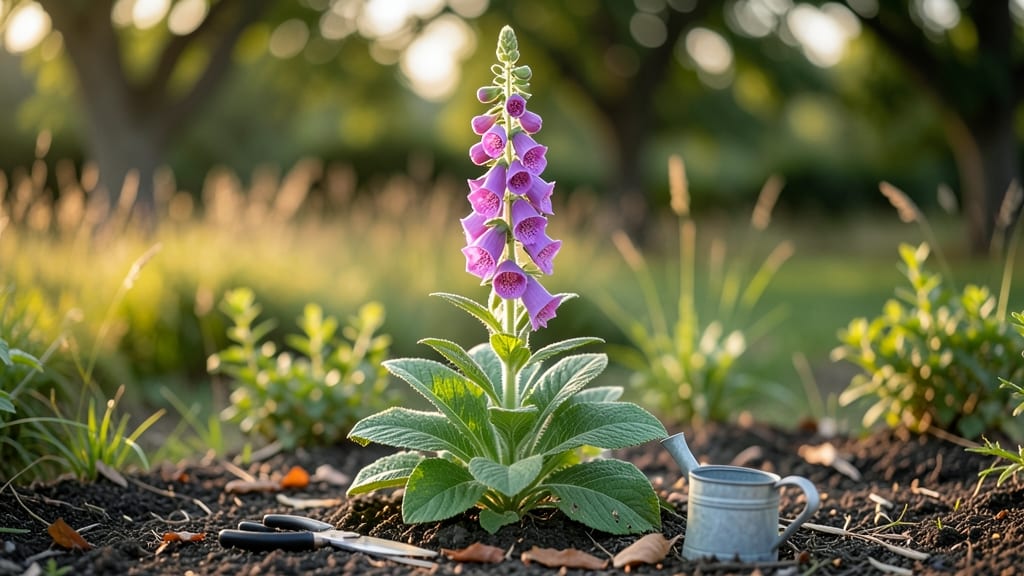
Foxglove flowering season brings those iconic bell-shaped blooms 🌸 to gardens—but only if you plant and care for them just right.
Picture this: You’ve waited all year for your foxglove to burst into color, only to stare at tall green stems with no flowers in sight. That’s the heartbreak of missing the critical bloom window, which shifts depending on your zone and planting time.
In Zone 6a, for example, expect blooms from early June through August—but in warmer climates, flowers may appear as early as May or stretch into September.
Here’s the good news: Foxglove is a biennial or short-lived perennial, meaning it often blooms best in its second year. With the right soil, light, and a little deadheading, you can coax extra weeks (or even months!) of those dramatic spikes from spring through summer.
I’ll break down exactly when to expect flowers in your region, plus the top 3 mistakes that rob gardens of blooms—and how to fix them.
Ready to transform your garden into a foxglove paradise? Let’s dive into the precise timing, regional tweaks, and care secrets that guarantee a showstopping display year after year.
Foxglove flowering season by US growing Zones: month-by-month breakdown
Foxglove (Digitalis purpurea) is a biennial or short-lived perennial that rewards patient gardeners with stunning vertical blooms—but only if you time your planting right. The flowering window varies dramatically by USDA hardiness zone, with cooler climates often seeing second flushes of flowers.
Understanding these patterns helps you plan for maximum impact in your garden.
Most foxglove varieties bloom in their second year after planting, though some perennial types may rebloom if conditions are ideal. Southern gardeners (Zones 8–10) often see year-round growth with staggered blooming, while northern gardeners (Zones 3–6) typically enjoy a 6–8 week window in late spring to early summer.
Let’s break down the exact months you can expect blooms in each zone.
| USDA Zone | Primary Blooming Window | Second Flush (Cooler Zones) | Climate Notes |
|---|---|---|---|
| Zones 3–4 | Late June–August | September–October (if planted early) | Short growing season; plant seeds in spring for fall blooms. |
| Zones 5–6 | May–July | September (mild winters) | Plant seeds in late summer for next-year blooms. |
| Zones 7–8 | April–June | October–November (perennial types) | Longer blooming season; deadhead spent blooms to encourage reblooming. |
| Zones 9–10 | February–April, September–October | Year-round with staggered planting | Plant in fall or winter for spring blooms; protect from heat. |
🌡️ Note: Cooler microclimates (e.g., mountain gardens) may shift blooming 2–4 weeks earlier.
In Zones 3–4, where winters are harsh, foxglove often blooms late in the season (June–August) as a survival strategy. The key to fall blooms is planting seeds in early spring—this gives the rosette stage enough time to establish before winter.
If you live in Zone 5 or 6, aim for a May–July display by sowing seeds in late summer of the previous year.
Gardeners in Zones 7–8 enjoy the longest blooming windows, often seeing flowers from April through June and a second flush in fall. This is because mild winters allow the plant to recover and rebloom.
To encourage this, deadhead spent blooms and avoid over-fertilizing, which can promote leafy growth over flowers. In Zone 8, some perennial varieties like 'Giant Candelabra' may even bloom year-round with proper care.
Southern gardeners in Zones 9–10 have the advantage of two distinct blooming seasons: once in late winter/early spring (February–April) and again in fall (September–October). The trick here is to stagger plantings—sow some seeds in fall for spring blooms and others in early summer for fall color.
However, protect plants from intense summer heat, which can cause bolting or leaf scorch.
For second-flowering patterns in cooler zones, focus on soil moisture and light exposure. Foxglove thrives in partial shade, which helps it retain moisture during hot spells. If your garden gets intense afternoon sun, consider mulching heavily to keep roots cool.
In Zones 5–6, a light frost in September can actually trigger a second bloom cycle in some varieties.
Pro tip: If you’re growing foxglove in containers, expect blooms to arrive 2–3 weeks later than in-ground plants due to root competition. Use a well-draining potting mix and fertilize lightly in early spring to boost flower production.
Avoid heavy-handed pruning after the first bloom—this can reduce the chance of
How to extend foxglove blooms: pro tips for longer flowering seasons
Foxglove’s stunning bell-shaped flowers can seem fleeting, but with the right care, you can stretch their blooming season by weeks—or even months. Most varieties bloom for just 4-6 weeks, but these proven strategies trick your plants into producing second flushes of flowers and healthier stems.
Whether you’re growing biennial varieties like Digitalis purpurea or perennial types such as Digitalis grandiflora, these tips apply to all.
Start by understanding your foxglove’s natural growth cycle. Biennials like classic foxglove produce rosettes of leaves their first year and flower in their second year, while perennials may bloom annually if given ideal conditions.
The key to extending blooms lies in encouraging continuous flower production by mimicking nature’s cues—light, water, and nutrient balance.
- 1 Deadhead regularly—snip spent blooms just above the next set of buds to redirect energy into new flowers. Use clean bypass pruners to avoid damaging stems.
- 2 Amend soil with compost—foxgloves thrive in moist, well-draining soil rich in organic matter. Mix in 2-3 inches of compost at planting and top-dress annually in early spring.
- 3 Water deeply in mornings—aim for 1 inch of water weekly, soaking the root zone. Avoid evening watering to prevent fungal diseases like powdery mildew, which can stress plants and shorten blooms.
- 4 Adjust light exposure—foxgloves prefer partial shade (4-6 hours of sun). In hot climates, provide afternoon shade to prevent wilting. Move containers to sunnier spots in cooler zones to encourage prolonged flowering.
- 5 Fertilize lightly in spring—use a balanced 10-10-10 fertilizer at half-strength when new growth appears. Avoid high-nitrogen feeds during bloom, as they promote foliage over flowers.
For biennial foxglove, focus on protecting rosettes over winter—mulch heavily with straw or leaves to insulate roots. This ensures robust second-year blooms. Perennial varieties often reward patience with spontaneous second flushes if you maintain consistent care.
I’ve seen Digitalis grandiflora rebloom in late summer with just deadheading and morning water!
Watch for overcrowded stems, which signal it’s time to thin out weaker shoots. This improves airflow and directs energy to healthier, flower-producing stems. In my garden, thinning in early June triggered a 3-week extension of blooms by late July.
Pair these tips with seasonal pruning—cut back dead flower stalks in fall to keep plants tidy and ready for next year’s growth.
With these strategies, you’ll turn your foxglove’s brief summer display into a multi-season spectacle. The secret? Listen to your plants—they’ll tell you exactly what they need through their growth patterns. Happy gardening! 🌸