
Blooming
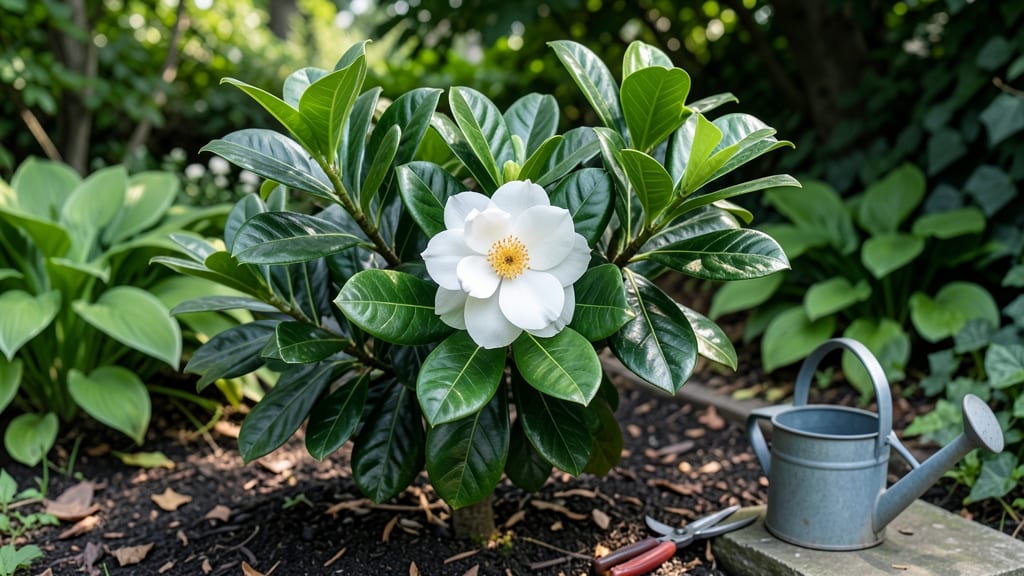
The gardenia flower blooming season transforms your garden with their intoxicating scent and creamy-white spikes, but it shifts dramatically depending on your climate. 🌸 In my Zone 8 garden, they light up the summer with fragrant blooms from June through September, while tropical varieties keep flowering year-round if conditions are just right.
The secret to getting those lush, fragrant spikes isn't just about the season—it's about matching care to your garden's climate and the specific variety you've chosen.
Light and temperature are the real bloom triggers. Gardenias crave bright, indirect light—think morning sun with afternoon shade—and struggle when days get too short or temperatures dip below 60°F. My mistake? I once pruned too late in the season, which delayed blooms by weeks.
The right timing and technique make all the difference, especially when you're dealing with finicky varieties like 'Kleim's Hardy' that push the limits of cold tolerance.
When they're in full bloom, you'll want to adjust your care routine: water consistently to keep the soil moist but not soggy, and feed with a balanced fertilizer every 4-6 weeks. The payoff? Clusters of those iconic, intoxicatingly fragrant flowers that'll have your neighbors asking how you did it.
The key is patience—some varieties take up to three years to reach peak flowering, but once they do, they're worth every wait.
For cooler climates, treat gardenias as annuals or overwinter them carefully. In warmer zones, they'll reward you with multiple bloom cycles if you keep up with deadheading and proper drainage. The biggest mistake?
Overwatering or using tap water high in chlorine—both can stress the plants and cut blooms short. With the right approach, you'll turn your garden into a fragrant paradise every season.
📚 In This Guide
- What you need
- Instructions
- Tips and common mistakes
- Wrapping up and next steps
What you need
- ● Gardenia plant: 1 mature gardenia bush (3–5 years old for best blooms) or
- ● 1–2 young potted gardenias (if starting from scratch)
- ● Well-draining potting mix: 5–10 gallons (depending on pot size), acidic (pH 5.0–6.5)
- ● Organic fertilizer: Balanced 10-10-10 or acid-loving plant fertilizer (e.g., Miracle-Gro Azalea/Camellia)
- ● Slow-release granules or liquid feed (1–2 tbsp per gallon of water)
- ● Pruning shears: Sharp, sterilized (alcohol wipe recommended)
- ● Watering can: With a rose or fine-spray nozzle (1–2 gallons capacity)
- ● Mulch: 2–3 inches of pine bark or peat moss (retains moisture + acidity)
- ● Spray bottle: For misting (especially in dry climates)
- ● Humidity tray: For indoor gardenias (pebbles + water)
- ● pH test kit: To monitor soil acidity (aim for 5.0–6.5)
- ● Epsom salt: 1 tbsp/month (boosts magnesium for blooms)
- ● Garden gloves: Protects hands from thorns + soil acidity
- ● Bloom booster: Products like Bloom or Flower Power (follow label)
Instructions for maximizing gardenia blooms by Zone and variety
Timing is everything with gardenias—master these seasonal cues and you'll get those signature white spikes year after year.
🌱 Step 1: Understand Your Zone's Natural Blooming Window
Gardenias bloom in response to daylight length, not calendar dates. In zones 8-10, they typically produce flowers from late spring through fall, with peak blooming in June-August. If you're in zones 5-7, expect a shorter window from June-July unless you're growing them as container plants you can overwinter indoors.
Watch for your gardenia's first buds to form—this usually happens when daytime temperatures consistently stay above 65°F for at least two weeks. In cooler zones, you might need to bring potted gardenias indoors before the first frost to protect them through winter. The key is to keep them alive so they'll rebound with vigor in spring.
☀️ Step 2: Adjust Light Exposure for Continuous Blooming
Gardenias need bright, indirect light for at least 6 hours daily to set buds. In zones 9-10, they can handle morning sun and afternoon shade, but in zones 5-8, afternoon shade is critical to prevent leaf scorch. If your gardenia isn't blooming, it might be getting too much direct sun—you'll see yellowing leaves or crispy edges as warning signs.
For container gardenias, rotate the pot a quarter turn weekly so all sides get even light exposure. This prevents the plant from growing lopsided and ensures buds form along the entire growth zone. If you notice buds forming but dropping before opening, your plant is likely getting too much heat stress—move it to a slightly shadier spot.
💧 Step 3: Maintain Consistent Moisture and Humidity
Gardenias hate dry soil or air. Water when the top 1-2 inches of soil feel dry, and aim for 1 inch of water per week during the growing season. In zones 9-10, you might need to water twice weekly in summer, while zones 5-7 may only need watering every 5-7 days. Always water at the base to avoid wetting the foliage, which can promote fungal diseases.
Boost humidity by placing the pot on a tray of pebbles filled with water, or mist the plant daily in dry climates. Gardenias in zones 5-7 especially appreciate this—low humidity causes buds to drop before opening. You'll know your humidity levels are right when the leaves stay glossy and dark green, not dull or crispy at the edges.
✂️ Step 4: Prune Strategically After Each Blooming Cycle
Prune gardenias immediately after the last flowers of the season fade. Cut back stems to just above a leaf node or bud, using clean, sharp pruners. This encourages bushier growth and more blooms next season. Never prune in late summer or fall—you'll remove next year's flower buds that are already forming.
For zones 8-10, a light pruning after the first flush of blooms in spring can stimulate a second round of flowers in fall. In zones 5-7, prune lightly in early spring before new growth begins. Always sterilize your pruners with rubbing alcohol between cuts to prevent disease spread. You'll see new growth within 2-3 weeks if you've pruned at the right time.
⏰ Step 5: Feed and Protect for Next Season's Buds
Apply a balanced, acid-loving fertilizer (like 8-8-8 or 10-10-10) in early spring and again after the first flush of blooms. Gardenias thrive in slightly acidic soil with a pH between 5.0-6.5. Test your soil annually—if it's too alkaline, amend with sulfur or peat moss. You'll notice more buds forming if the plant looks vibrant and the soil stays consistently moist.
In zones 5-7, mulch heavily with 2-3 inches of organic mulch (like pine bark or leaves) to protect roots from winter temperature swings. For container gardenias, move them to a sheltered spot or indoors before temperatures drop below 40°F. This winter care ensures the plant stores enough energy to produce abundant blooms in the following spring.
Tips & tricks for perfect gardenia blooms
Gardenias reward patience with their intoxicating fragrance—here's how to turn that promise into reality.
Zone-Specific Timing: The 65°F threshold isn't just a number—it's the temperature that triggers bud formation. In zones 5-7, I've seen gardenias start blooming as early as late May if spring warms quickly, but don't rush it. Wait until daytime highs consistently stay above 65°F for two weeks straight. For container gardenias in cooler zones, consider using a heat mat during early spring to jumpstart growth when nights still dip below 50°F.
Light Exposure Strategy: That weekly quarter-turn rotation for container gardenias is non-negotiable. I learned this the hard way when my gardenia grew lopsided after summer—now I set a phone reminder every Sunday. For indoor gardenias, supplement with a grow light for 4-6 hours daily if natural light drops below 6 hours, especially in winter when bud formation slows. The goal is uniform light exposure on all sides to prevent weak, leggy growth that won't support heavy blooms.
Humidity Hacks: The pebble tray method works wonders, but here's the secret: refresh the water daily and keep the pebbles submerged just enough to create humidity without sitting in standing water. For extreme dry climates, I've had success with a small humidifier set to 50-60% humidity aimed at the plant. Watch for those telltale crispy leaf edges—they're your first warning that humidity levels are too low. In zones 9-10, morning misting can help prevent afternoon heat stress that causes buds to drop before opening.
Pruning Precision: When pruning after blooms fade, look for the first set of leaves below the spent flowers—this is your cutting point. I always sterilize my pruners with rubbing alcohol between cuts to prevent bacterial spread, which can cause leaf spots that weaken the plant. For zones 8-10, that second spring pruning can indeed stimulate fall blooms, but only if you do it immediately after the first flush. Waiting too long reduces the plant's energy reserves for the second round.
Pro Tips for Gardenia Flower Blooming Season
- Gardenias reward patience with their intoxicating fragrance—here's how to turn that promise into reality.
- Zone-Specific Timing: The 65°F threshold isn't just a number—it's the temperature that triggers bud formation.
- Light Exposure Strategy: That weekly quarter-turn rotation for container gardenias is non-negotiable.
Frequently asked questions
Got questions about timing, care, or troubleshooting your gardenia blooms? Here are answers to the most common queries—so you can enjoy those fragrant, creamy-white flowers all season long!
When do gardenias bloom in my hardiness zone?
Gardenia blooming seasons vary by zone and variety. In Zones 8–11, they typically bloom from late spring to early fall (May–September), while cooler zones (7 or below) may see blooms in summer only—or not at all if winter-killed. Radicans and Fortuniana varieties often bloom earlier (May–June), while August Beauty peaks in mid-to-late summer.
Why isn’t my gardenia blooming this year?
No blooms? Check these common culprits:
- Too much nitrogen (leads to lush leaves but no flowers). Use a balanced 10-10-10 fertilizer or one low in nitrogen.
- Insufficient sunlight (gardenia needs 6+ hours of direct sun daily). Move it to a sunnier spot.
- Overpruning—trim only after blooming to avoid cutting off next year’s buds.
- Stress from transplant shock or overwatering (soggy soil = no blooms). Let soil dry slightly between waterings.
Can I force gardenias to bloom earlier or later?
While you can’t drastically change the blooming window, you can extend the season with these tricks:
- For earlier blooms: Prune lightly in early spring (just after old blooms fade) to encourage new growth.
- For longer blooms: Deadhead spent flowers gently (don’t cut into old wood) and fertilize with phosphorus-rich food (like 5-10-10) in spring.
- Avoid late-season pruning—it can delay or prevent next year’s buds from forming.
Pro tip: If your gardenia blooms sporadically, it may need more consistent care—like regular watering and mulching to protect roots.
What’s the best alternative if my gardenia won’t thrive in my climate?
If your zone is too cold (Zone 7 or below) or humidity is low, try these fragrant, low-maintenance bloomers with similar charm:
- Jasmine (Trachelospermum) – Thrives in Zones 7–11, blooms spring–fall, and loves heat.
- Gardenia ‘Kleim’s Hardy’ – A cold-hardy hybrid for Zones 6–9 (though blooms may be smaller).
- Plumeria – Loves tropical climates (Zones 10–11) but can be grown as a houseplant elsewhere.
- Mock Orange (Philadelphus) – Fragrant white blooms in spring/summer, Zone 4–8 friendly.
For container gardening, Arabian Jasmine or Gardenia ‘Radicans’ (dwarf variety) are great picks!
What should I do if my gardenia leaves turn yellow or drop buds?
Yellow leaves or bud drop usually signal stress. Here’s how to fix it:
Issue
Likely Cause
Solution
Yellow leaves
Overwatering or poor drainage
Let soil dry 1–2 inches deep between waterings. Add perlite to potting mix if needed.
Bud drop
Low humidity, temperature swings, or transplant shock
Move to a humid spot (like a bathroom or near a humidifier). Avoid drafts or sudden cold snaps.
Wilting + yellowing
Underwatering or root rot
Check roots—if mushy, repot in fresh, well-draining soil. Water deeply once a week (more in heat).
Bonus: Gardenias hate tap water (chlorine/fluoride burns them). Use rainwater or filtered water instead!
Wrapping up and next steps
Now that you’re armed with the perfect timing and care tips for your gardenia’s blooming season, it’s time to roll up your sleeves and enjoy the process! 🌸 Whether you’re nurturing a Clemantine in Zone 9 or a Radicans in Zone 10, these fragrant blooms are worth every drop of patience. Start by selecting the right variety for your climate, then give your gardenia the love it deserves—pruning, sunlight, and a little extra humidity will make all the difference.
Ready to transform your garden (or windowsill) into a scented paradise? Plant your gardenia today and watch as those creamy-white blooms turn heads—and fill the air with intoxicating perfume! 🌿✨