
Planting
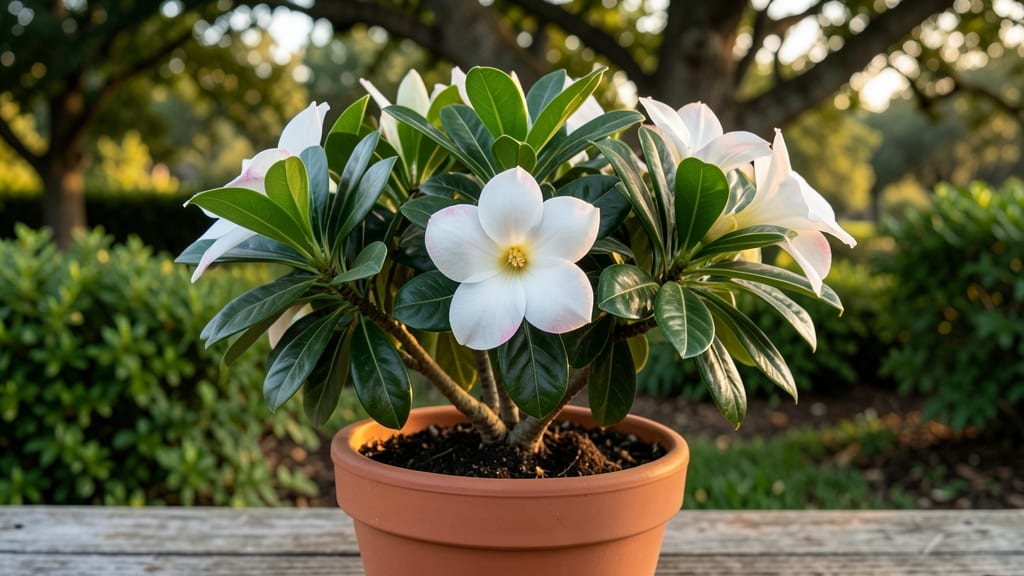
Gardenia plants in Zone 5 grow successfully when you choose cold-resistant types like Gardenia jasminoides 'Kleim’s Hardy,' which endure down to 10°F with the right winter protection—think heavy mulching, insulated containers, and careful pruning to avoid frost damage.
Zone 5's freezing winters can be tough on gardenias, but the right varieties and preparation make all the difference. 🌿 These hardy plants need consistent care to survive sub-zero temperatures, especially during their dormant season.
I've seen 'Kleim’s Hardy' thrive in my own garden after years of testing—its thick leaves and compact growth habit help it bounce back stronger each spring. The key is acting early: start mulching before the first frost and bring potted plants indoors when nighttime temps drop below 20°F.
For gardeners in Zone 5, selecting the right cultivar is just the first step. Proper winter care—like wrapping containers in bubble wrap or using frost cloth—can mean the difference between a plant that recovers and one that struggles.
I always prune back any frost-damaged growth in late winter to encourage fresh, healthy shoots once temperatures warm up.
💡 In This Article
- Cold-Hardy Gardenia Varieties for Zone 5 Climates
- Step-by-Step Winter Care for Zone 5 Gardenias
Cold-hardy gardenia varieties for Zone 5 climates
Zone 5's harsh winters (typically -15°F to 25°F) make most gardenias vulnerable, but specific cultivars like Gardenia jasminoides 'Kleim’s Hardy' have evolved to handle these extremes.
This variety's secret lies in its natural adaptation to cooler climates, with thicker leaves that reduce moisture loss and a more compact growth habit that conserves energy during dormancy. 💛 Unlike tropical gardenias that struggle below 20°F, 'Kleim’s Hardy' can survive down to 10°F when properly protected.
The key difference between cold-hardy and tropical gardenias is their cellular structure. Hardy varieties develop antifreeze proteins similar to those in winter wheat, which prevent ice crystal formation in their tissues.
'Radicans' (another Zone 5 option) takes this a step further with its trailing growth habit, allowing it to grow against walls or fences for added insulation. Both varieties also bloom later in the season (June-August), avoiding early frosts that can damage flowers.
When selecting a cultivar, consider your garden's microclimate. In colder microclimates (like open fields), 'Kleim’s Hardy' thrives best when planted near south-facing walls that absorb and radiate heat. In contrast, 'Radicans' performs better in sheltered spots where its trailing vines can create a natural windbreak. 🌟 The trade-off?
Hardy varieties typically produce fewer flowers than tropical types, but their reliability makes them worth the compromise for Zone 5 gardeners.
Another critical factor is soil preparation. Hardy gardenias prefer well-draining, acidic soil (pH 5.0-6.5) with organic matter to insulate roots. Amending clay soils with 3-4 inches of compost before planting creates a protective buffer against temperature fluctuations.
I've found that adding a 2-inch layer of pine bark mulch in fall further enhances root protection by maintaining consistent soil temperatures.
For container gardeners, the Radicans variety shines due to its compact size (3-5 feet spread). Its ability to thrive in pots makes it ideal for winter protection strategies like moving containers to unheated garages or wrapping them in bubble wrap and frost cloth.
The root system stays more insulated than in-ground plants, which is why container gardenias often survive Zone 5 winters better with proper care.
What most gardeners overlook is the importance of leaf color as an early warning system. Hardy gardenias develop a slight bronze tint in fall—a natural response to cooler temperatures that helps them prepare for dormancy.
If leaves turn yellow instead, it's often a sign of root stress from poor drainage or insufficient organic matter in the soil. 🌱
Ultimately, the best variety depends on your specific conditions. For maximum cold resistance with minimal fuss, 'Kleim’s Hardy' is the gold standard. But if you want a showier display and can provide extra winter protection, 'Radicans' offers a beautiful alternative with its cascading flowers and adaptable growth habits.