
Vegetables
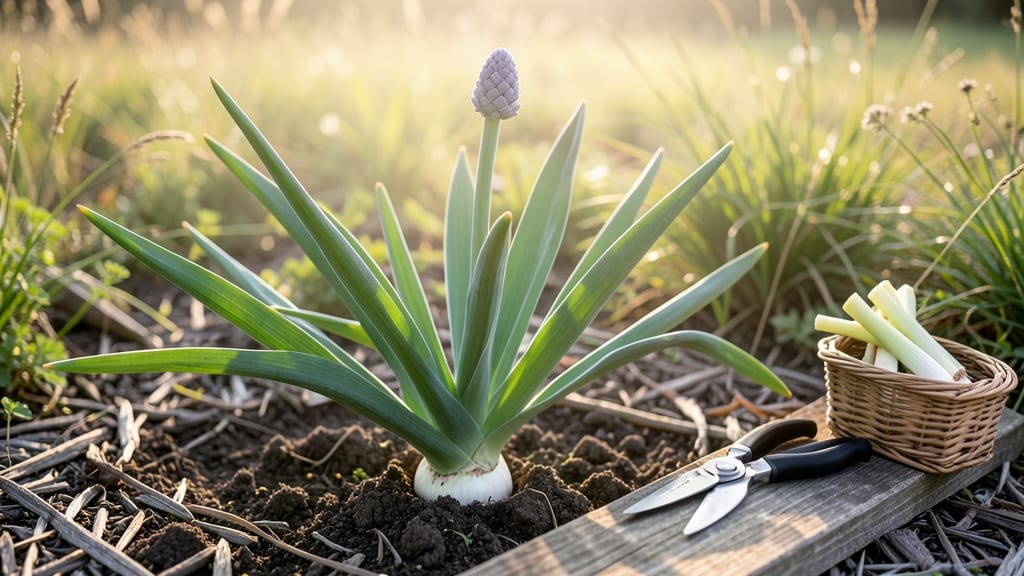
Harvesting garlic scapes at the right time during their season can transform your garden into a flavor powerhouse 🧄 — and if you miss the window, you’ll end up with tough, bitter stems instead of tender, sweet harvests.
Did you know that cutting scapes at the perfect moment doesn’t just give you a bonus crop? It also ensures your garlic bulbs grow bigger and stronger. The key is watching for that signature curl, usually between late spring and early summer, when the scapes reach about 6-12 inches long.
Timing matters because scapes compete with the bulb for energy. If you wait too long, your garlic’s flavor and size suffer. But if you harvest too early, the scapes taste bland and underdeveloped.
Below, I’ll break down the exact cues to look for, regional variations, and how to use (or preserve) your scapes once you’ve got them.
Whether you’re a first-time garlic grower or a seasoned gardener, mastering the scape season means more flavor, better yields, and fewer wasted plants. Let’s get into the details so you never miss another harvest again.
When to harvest garlic scapes for peak flavor and regrowth
Harvesting garlic scapes at the perfect moment ensures you get the best flavor while keeping your garlic bulbs strong and healthy. The timing window is narrow—typically late spring to early summer, depending on your climate.
In most regions, this falls between May and June, but cooler areas may extend into early July. Missing this window can lead to bitter scapes or smaller garlic bulbs, so pay close attention to visual cues.
Your garlic scapes are ready for harvest when they form a loose, curly loop at the top, usually when they reach 6 to 12 inches in length. This curl is your green light—it signals the scape has stopped growing upward and is redirecting energy to the bulb below.
If you wait too long, the scape may harden or become woody, making it less flavorful and potentially stunting your garlic harvest.
Weather plays a crucial role in timing. If you experience unseasonably cold temperatures in late spring, scapes may take longer to develop. Conversely, hot, dry spells can accelerate growth, so check your scapes frequently during these conditions.
The ideal harvest day is a mild, sunny morning, when scapes are hydrated but not overly tender.
| Stage | Visual Cues | Action | Best Time |
|---|---|---|---|
| Early Growth | Straight, uncurled scape (under 6 inches) | Monitor growth | April-May |
| Ideal Harvest Window | Loose curl forms (6-12 inches) | Harvest immediately | Late May-June |
| Over-Mature | Hard, woody scape (curl tightens) | Avoid harvesting | July+ |
| Post-Harvest | Scape removed, leaves continue growing | Encourage bulb growth | June-July |
🌱 Pro Tip: Use clean, sharp shears to cut scapes 2-3 inches above the garlic bulb to avoid damaging the plant.
To determine if your scapes are ready, check for three key signs: a loose curl, a length of 6 to 12 inches, and firm but flexible stems. The leaves below the scape should also be about one-third the size of the scape itself.
If you see these signs, it’s time to act—harvest within 1 to 2 days to preserve flavor and quality.
Harvesting scapes doesn’t mean you lose your garlic crop—it actually boosts bulb size by redirecting energy that would otherwise go into seed production. After cutting the scape, leave the lower leaves intact to continue photosynthesizing and feeding the bulb.
This practice can increase your garlic yield by up to 20%, making it a win-win for your garden.
If you’re unsure about timing, err on the side of earlier harvests. Scapes harvested too late become bitter and tough, while those picked too early may not be as flavorful.
For hardneck garlic varieties, which are the most common for scape production, the window is typically 3 to 4 weeks after the scape first appears. Softneck varieties produce fewer scapes, so prioritize those plants for bulb harvests.
Regional differences matter, too. In warmer climates like USDA Zones 8-10, scapes may appear as early as April, while in cooler Zones 3-6, you might not see them until June.
Always adjust your timing based on local weather patterns—frost can delay growth, while heat can speed it up. Keep a garden journal to track scape development year over year for your specific location.
Once you’ve harvested your scapes, don’t let them go to waste! Use them fresh in dishes like pesto, soups, or stir-fries, or preserve them by blanching and freezing.
The key is to act quickly—scapes stored at room temperature will wilt within 3 to 5 days, so refrigerate them in a paper towel-lined container to extend freshness. For long-term storage, freeze them whole or chop them and store in an airtight container.
Remember, the goal is to balance flavor and regrowth. By harvesting scapes at the right time, you’ll enjoy a delicious bonus crop while ensuring your garlic bulbs grow to their full potential.
With a little practice, you’ll become a pro at spotting the perfect harvest window—no more bitter scapes or stunted bulbs! 🌿
How to use and store fresh garlic scapes for cooking or preservation
Once you've harvested your garlic scapes at the perfect time, the next step is putting them to good use before they spoil. These curly green stems are packed with flavor and versatility, but they won’t last forever fresh.
Learning how to preserve garlic scapes ensures you can enjoy their unique taste all year long while minimizing waste.
The good news is that scapes can be used in both raw and cooked dishes, and they store well through multiple preservation methods. Whether you're making garlic scape pesto, sautéing them for pasta, or drying them for later use, there’s no wrong way to enjoy this garden bonus.
Let’s explore the best ways to prepare and store them.
- 🌱 Blanch and Freeze: Wash scapes, trim ends, and blanch for 2 minutes in boiling water. Shock in ice water, then freeze in airtight bags for up to 12 months.
- 🌿 Dry for Long-Term Storage: Bundle scapes and hang in a dark, dry place for 2-3 weeks. Once brittle, store in jars for 6+ months.
- ✂️ Use Fresh in Pesto: Blend scapes with basil, garlic, olive oil, and Parmesan for a vibrant, nutty-flavored pesto.
- 🍝 Sauté for Pasta: Chop scapes into 1-inch pieces and sauté with olive oil, garlic, and red pepper flakes for a quick pasta topping.
- 🥣 Add to Soups and Stews: Thinly slice scapes and stir into broth-based soups or hearty stews for an earthy depth.
If you're short on time, the easiest way to preserve scapes is by blanching and freezing. This method locks in their fresh flavor and texture, making them perfect for quick meals later. Simply wash the scapes, trim the ends, and blanch them for 2 minutes in boiling water.
Immediately transfer them to an ice bath to stop cooking, then dry thoroughly before storing in airtight freezer bags. They’ll keep their quality for up to 12 months.
For a more hands-off approach, consider drying garlic scapes. Bundle them together and hang them in a dark, well-ventilated area for 2-3 weeks. Once completely dry and brittle, store them in airtight containers.
Dried scapes can be crumbled into dishes like soups or stews, adding a concentrated garlic flavor without the need for fresh ingredients.
When it comes to culinary uses, garlic scapes shine in dishes where their mild, oniony flavor can stand out. One of my favorites is garlic scape pesto, which replaces traditional basil with the scapes for a nutty, slightly sweeter twist.
Simply blend scapes with garlic, olive oil, Parmesan, and a touch of lemon juice for a vibrant sauce perfect for pasta or sandwiches.
Don’t overlook the simplicity of sautéing scapes for a quick side dish. Chop them into 1-inch pieces and cook them in olive oil with garlic, red pepper flakes, and a pinch of salt.
Toss them with pasta or use them as a topping for grilled meats. Their crisp texture and mild flavor pair beautifully with bold dishes.
With these preservation tips, you’ll never let a single scape go to waste. Whether you're freezing, drying, or using them fresh, garlic scapes are a gardener’s gift that keeps on giving—both in flavor and in supporting your garlic harvest for next season. Happy preserving! 🌱