
Planting
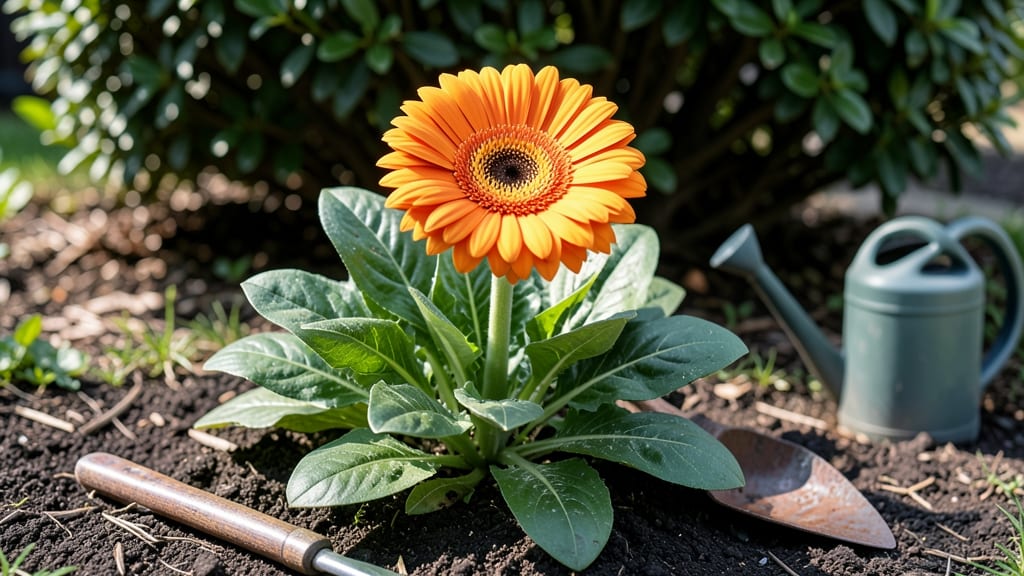
Gerbera daisies grow best in USDA hardiness zones 7 through 11, but they’re frost-sensitive annuals that need protection in cooler areas. Most varieties suffer damage when temperatures drop below 30°F, though some hardier types may tolerate brief dips near 25°F with shelter.
Gerbera daisies originated in South Africa and thrive in warm climates, which explains their struggle in colder regions. 🌡️ In zones 6 and below, gardeners often treat them as tender annuals, replanting fresh starts each spring.
The key to extending their lifespan in marginal zones lies in strategic winter care—whether through container cultivation, protective mulching, or moving plants indoors before the first frost. Without proper precautions, even a single hard freeze can kill the plant down to the roots.
What many growers don’t realize is that gerbera daisies have shallow root systems, making them particularly vulnerable to temperature fluctuations. When nighttime lows dip below 40°F, the foliage begins to yellow, and the plant’s energy shifts toward survival rather than blooming.
This is why container-grown gerberas often fare better—their roots stay warmer and can be easily moved to sheltered spaces when needed.
💡 In This Article
- Understanding Gerbera Daisy Cold Tolerance Limits
- Winterizing Gerbera Daisies in Marginal Zones
Understanding gerbera daisy cold tolerance limits
Gerbera daisies evolved in South Africa’s temperate highlands, where daytime temperatures average 70-80°F and nighttime lows rarely drop below 45°F. This tropical adaptation explains why they struggle in colder climates—their cellular membranes lack the cold-resistant proteins found in hardy perennials like lavender or coneflowers.
When exposed to 32°F or below, ice crystals form within their leaves, rupturing cell walls and causing irreversible damage. 🌡️ The roots, which sit just 2-3 inches below soil, are especially vulnerable because they lack insulating depth.
Most commercial gerbera varieties (like 'Mambo' or 'Tango') begin showing chilling injury at 40°F—leaves yellow, stems wilt, and new growth stalls. The damage accelerates below 30°F, where even brief exposure can kill the plant within 24 hours.
Interestingly, some heirloom varieties (e.g., 'Gerbera jamesonii') exhibit slightly better tolerance, surviving brief dips to 25°F if roots stay dry. This variation stems from selective breeding for cold resilience in their native habitats.
Temperature fluctuations are the silent killer of gerbera daisies. A 50°F daytime high followed by a 28°F night triggers metabolic shock, forcing the plant to expend energy on survival rather than blooming. This phenomenon, called "chilling injury," disrupts photosynthesis and nutrient transport.
In zones 6-7, where winter lows hover around 15-20°F, gerberas enter a state of dormancy—but without proper protection, they rarely recover. 🌱 The key is maintaining consistent warmth, either through containers or insulated beds.
Root temperature is the critical factor. Soil below 50°F halts root activity, while prolonged exposure to 40°F or colder causes root rot from waterlogged conditions. This is why container cultivation works so well—the roots stay 10-15°F warmer than in-ground plants.
Mulching with 4-6 inches of straw or leaves can add 5-10°F of insulation, but only if applied after the ground freezes to prevent moisture buildup.
Light also plays a role in cold tolerance. Gerbera daisies need 6-8 hours of sunlight daily to maintain vigor, but low winter light levels (below 4,000 lux) weaken their defenses.
In zones 6-7, growers often supplement natural light with LED grow bulbs (6,500K color temperature) to mimic spring conditions, which helps plants recover faster after dormancy. Without this boost, even protected gerberas may struggle to rebloom in early spring.
What most gardeners overlook is the role of humidity. Gerbera daisies thrive in 40-60% humidity, but winter air often drops below 30%, causing leaf desiccation. Using a humidity tray (pebble tray with water) under container-grown plants can maintain optimal moisture levels indoors.
This simple adjustment can mean the difference between a plant that survives and one that thrives during winter dormancy. 🌿