
Blooming
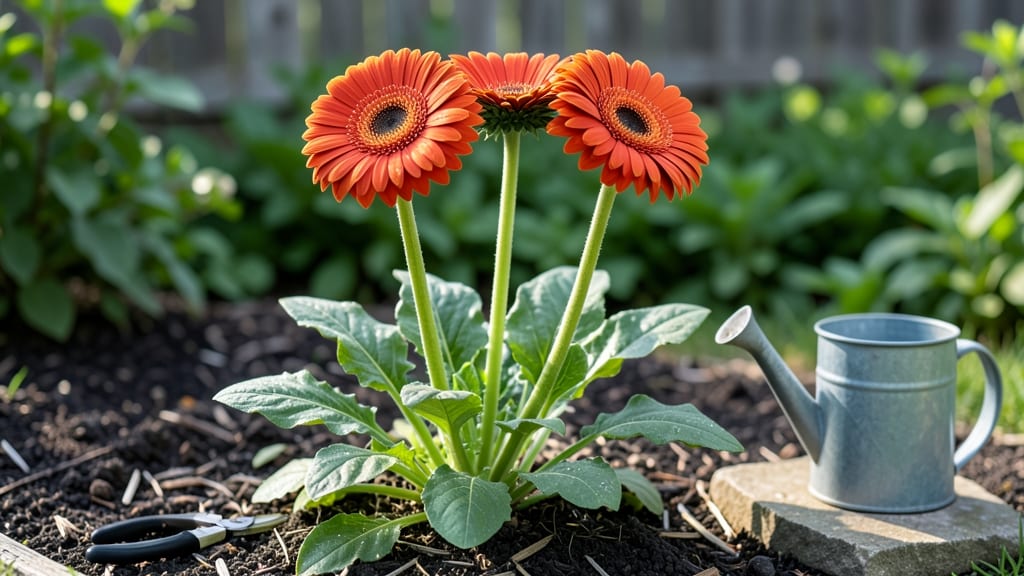
Gerbera daisies thrive when days stretch long and temperatures climb—that’s their peak season. 🌸 I’ve grown them in both hot summers and mild winters, and the difference is night-and-day: in heatwaves, they burst with color for months, while cooler climates treat them like fleeting annuals.
The secret to keeping them blooming lies in understanding their frost sensitivity and how to time your plantings. In warmer zones (8-11), you can plant them year-round and enjoy continuous blooms with proper care.
But in cooler areas (3-7), treat them as annuals—plant after the last frost in early spring, and they’ll reward you with vibrant flowers until the first frost hits. Even in transitional zones, a little strategizing extends their season.
What you’ll end up with is a garden bed bursting with jewel-toned blooms that outlast many summer flowers. The key is matching their love of warmth with smart watering and shade during scorching afternoons. With the right approach, they’ll keep flowering until frost—sometimes even into fall.
Works for containers, borders, or cutting gardens. Here’s how to make the most of their season, no matter where you live.
📚 In This Guide
- What you need
- Instructions
- Tips and common mistakes
- Wrapping up and next steps
What you need
- ● Gerbera daisy plants: 3–6 healthy nursery-grown plants (choose heat-tolerant varieties like ‘Marmalade’ or ‘Pacifica’ for best results).
- ● Well-draining potting mix: 1–2 bags (look for a blend labeled for tender perennials or annuals).
- ● Containers or garden bed: For pots: 6–12-inch diameter containers (1 per plant) with drainage holes.
- ● For in-ground planting: A sunny spot with at least 6+ hours of sunlight daily and loose, fertile soil.
- ● Slow-release fertilizer: 1–2 cups (for potted plants) or 1 lb. (for garden beds) of 10-10-10 or 20-20-20 formula.
- ● Mulch: 1–2 inches of organic mulch (straw or shredded bark) to retain moisture.
- ● Gloves: A pair of gardening gloves to protect your hands.
- ● Trowel or hand shovel: For planting and soil amendments.
- ● Watering can or hose with a gentle nozzle: Gerberas hate soggy roots!
- ○ Pruning shears: Small, sharp scissors for deadheading (optional but highly recommended for longer blooms).
- ○ Sunlight meter (optional): To confirm your spot gets enough light (6000+ lux ideal).
- ○ Shade cloth (optional): Lightweight fabric (30–50% shade) for afternoon sun protection in extreme heat.
How to extend your gerbera daisy season through summer heat
Here's how I keep these bold blooms thriving when most flowers wilt under midday sun.
☀️ Step 1: Choose Heat-Tolerant Varieties and Planting Sites
Start with heat-resistant gerbera varieties like 'Teresa,' 'Maya,' or 'Kathleen Brant.' These handle 90°F+ days better than standard types. Plant in locations with morning sun and afternoon shade—even just 2-3 hours of afternoon relief makes a difference.
I always check the microclimate before planting. The north side of a patio or under a large tree's dappled shade works perfectly. If you must plant in full sun, choose a spot where afternoon breezes circulate—gerberas hate stagnant, hot air that bakes their roots.
💧 Step 2: Water Deeply at the Right Times
Gerberas need 1-1.5 inches of water weekly, but timing matters more than quantity. Water early morning only to let foliage dry before evening. Wet leaves overnight invite fungal diseases like powdery mildew, which gerberas are particularly susceptible to during heatwaves.
I use the "soil squeeze test" to check moisture: Gently press the soil 2 inches deep—if it feels dry, water thoroughly. If it's still damp, wait another day. Overwatering causes root rot faster than drought does in gerberas. Mulch with 2-3 inches of organic mulch (like shredded bark) to lock in moisture and protect roots from temperature swings.
✂️ Step 3: Deadhead and Prune Strategically
Remove spent blooms daily during peak season to encourage continuous flowering. Use clean, sharp pruners and cut just above the next set of leaves—never leave stubs. This prevents disease entry points and signals the plant to produce new buds instead of going dormant.
Here's the trick: When temperatures hit 95°F+, I stop deadheading entirely. The plant conserves energy by focusing on root health rather than blooming. You'll see new growth in 2-3 weeks once temps drop below 85°F at night.
🌱 Step 4: Fertilize for Heat Resistance
Switch to a low-nitrogen, high-phosphorus fertilizer (like 5-10-10) when temps exceed 85°F. Phosphorus promotes root growth and flower production, which gerberas need to withstand heat stress. I apply it every 4-6 weeks during summer, always watering before and after to prevent root burn.
Never fertilize when soil is dry—gerberas absorb nutrients through moisture, and hot, dry soil can scorch roots. I also avoid granular fertilizers in extreme heat; instead, I use a liquid seaweed extract for a gentle nutrient boost that won't stress the plant.
🪴 Step 5: Protect from Heat Stress and Pests
When a heatwave hits, I create temporary shade with lightweight shade cloth (30-50%) during the hottest hours. Gerberas can handle 100°F days if roots stay cool, but foliage burns easily. Remove shade by 4 PM to allow evening light for photosynthesis.
Watch for aphids and spider mites, which thrive in hot, dry conditions. I spray plants with a neem oil solution (1 tsp per quart of water) weekly as a preventative. Early morning is the best time to apply—it gives the solution time to dry before afternoon heat evaporates it.
Tips & tricks for perfect gerbera daisy season
These simple strategies will help you keep your vibrant gerberas thriving even when temperatures soar.
Variety Selection: When choosing heat-resistant varieties like 'Teresa' or 'Maya', look for plants with darker green foliage—they handle heat better than lighter varieties. I always check the label for "heat-tolerant" markings, and these specific varieties have proven to bloom continuously even at 90°F+ temperatures. The key is selecting the right foundation before you even plant!
Microclimate Mastery: Before planting, test potential spots by observing how they heat up during the day. Place a thermometer in each location for a few hours—you'll be surprised how much temperatures vary just a few feet apart. I've found that north-facing spots under patio awnings stay 10-15°F cooler than south-facing areas during peak afternoon heat. This small step prevents heat stress before it starts.
Watering Wisdom: The soil squeeze test is your best friend during summer watering. Press your finger 2 inches deep—if it feels like a damp sponge, hold off. I've learned the hard way that gerberas prefer slight drought stress to soggy roots. Water deeply but infrequently, aiming for that 1-1.5 inches weekly while keeping soil consistently moist but never waterlogged. The mulch layer acts like a moisture blanket, helping roots maintain steady temperatures.
Heatwave Survival: When temperatures hit 95°F+, shift your focus from blooms to roots. Stop deadheading entirely and redirect the plant's energy underground. I've seen gerberas that looked completely spent in 100°F heat rebound with fresh growth within 2-3 weeks once nighttime temps drop below 85°F. This temporary pause in flowering actually strengthens the plant for a second bloom cycle later in summer.
Pro Tips for Gerbera Daisy Season
- These simple strategies will help you keep your vibrant gerberas thriving even when temperatures soar.
- Variety Selection: When choosing heat-resistant varieties like 'Teresa' or 'Maya', look for plants with darker green foliage—they handle heat better than lighter varieties.
- Microclimate Mastery: Before planting, test potential spots by observing how they heat up during the day.
Frequently asked questions
Got questions about gerbera daisy season? You’re not alone!
Whether you're a gardener, florist, or just a flower lover, these answers will help you make the most of their vibrant blooms—even in the heat.
When is the best time to plant gerbera daisies for peak season?
Gerbera daisies thrive in spring or early summer (after the last frost) when temperatures are warm but not scorching. In warmer climates, they can bloom year-round, but they’ll need shade during extreme heat. For the best color retention, plant them in well-draining soil and full sun (6+ hours daily).
How often should I water gerbera daisies during hot weather?
Water them deeply 2–3 times per week during heatwaves, ensuring the soil stays moist but not soggy. Pro tip: Water at the base (not the leaves) to prevent fungal diseases like powdery mildew. Mulching helps retain moisture—just keep it 2 inches away from stems to avoid rot.
Why are my gerbera daisies wilting or losing color in the heat?
Heat stress, underwatering, or direct afternoon sun can cause wilting. Move potted gerberas to partial shade during peak heat (11 AM–3 PM) and trim faded blooms to encourage new growth. If leaves turn yellow, check for overwatering or poor drainage. A light balanced fertilizer (like 10-10-10) can also boost resilience.
Can I grow gerbera daisies in containers, and what’s the best setup?
Use large pots (12+ inches deep) with drainage holes and a mix of potting soil and perlite. Choose heat-tolerant varieties like ‘Red Torch’ or ‘Orange Monarch.’ Place containers in bright, indirect light and water consistently. Elevate pots off the ground to prevent root rot.
What’s the shelf life of cut gerbera daisies, and how do I extend it?
Cut gerberas last 5–10 days in a vase with fresh water and a flower food (like sugar + bleach). Trim stems at an angle every 2 days, and change the water every 48 hours. Avoid placing them near fruit (ethylene gas speeds wilting) or direct sunlight. For longer vase life, store stems in cool water overnight before arranging.
Wrapping up and next steps
Gerbera daisy season is your chance to bring bursting color and joy to any space—even the hottest summer days! These cheerful blooms thrive with the right care, whether you’re nurturing them in pots, garden beds, or as long-lasting bouquets.
Remember, consistency is key: water wisely, protect from harsh sun, and deadhead regularly to keep those petals popping.
Now that you’re armed with tips, grab your gardening gloves and dive in! Start small—plant a single pot or a handful of seeds—and watch your space transform. Happy blooming! 🌸💛