
Blooming
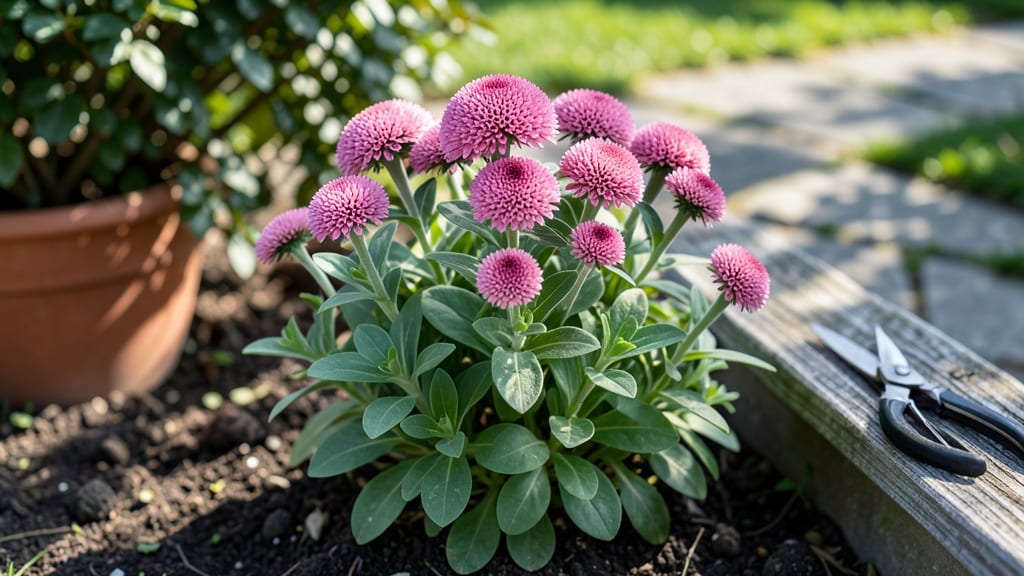
The flower season for gomphrena bursts into vibrant pom-pom displays from late spring through frost—and these heat-loving beauties are easier to grow than you’d think. 🌻 I’ve watched these drought-tolerant stars thrive in my Zone 8 garden while wilting annuals around me struggled. their papery flowers holding color even when temperatures soar.
The secret isn’t complicated: plant them when soil warms to 65°F, and they’ll reward you with nonstop blooms until winter’s first chill. These sun-worshipping annuals (or tender perennials in warm climates) love full sun and well-draining soil—no fancy amendments needed.
In tropical regions, they’ll bloom year-round with minimal care, while temperate gardeners get a 3-4 month show from late spring to fall. The key? Deadheading spent blooms keeps them producing, and they handle heat better than most flowers. My gomphrena patches stay lush even when other plants droop.
You’ll end up with vibrant clusters in shades of pink, purple, and white that dry beautifully for arrangements. The flowers last weeks in vases, making them a gardener’s secret weapon for long-lasting color. Plus, they attract pollinators without needing extra watering—ideal for busy gardeners or dry climates.
For extended blooms, sow successive batches every 2-3 weeks in warm zones. In cooler areas, treat them as annuals and enjoy their bold, fuss-free beauty until frost. They’re the perfect addition to borders, containers, or cutting gardens—just plant, water lightly, and watch them shine.
📚 In This Guide
- What you need
- Instructions
- Tips and common mistakes
- Wrapping up and next steps
What you need
- ● Gomphrena seeds or seedlings: Choose from varieties like Gomphrena globosa (common gomphrena) or Gomphrena haageana (for larger blooms). Start with 5–10 seeds per pot or 1–2 seedlings per container (6+ inches in diameter).
- ● Well-draining potting mix: A blend of 50% garden soil, 30% perlite or coarse sand, and 20% compost works best. Avoid heavy clay soils—gomphrena hates soggy roots! 💦
- ● Containers or garden beds: Containers: Use pots 6+ inches deep with drainage holes. For fuller displays, group 3–5 plants per 12-inch pot.
- ● Garden beds: Space plants 12–18 inches apart in full sun (6+ hours daily).
- ○ Slow-release fertilizer: A balanced 10-10-10 or 20-20-20 formula (apply at planting and again mid-season). Optional: Liquid fertilizer (like fish emulsion) for a mid-season boost.
- ● Hand trowel or small shovel for transplanting.
- ● Watering can with a fine rose nozzle (to avoid disturbing seedlings).
- ● Pruning shears (for deadheading spent blooms and shaping plants).
- ○ Gloves (optional but helpful if handling prickly stems).
- ● Mulch (straw or shredded bark): Spread a 1–2 inch layer around plants to retain moisture and suppress weeds.
- ● Full sun location: Gomphrena thrives in hot, sunny spots (zones 2–11). If growing in containers, place them in south- or west-facing areas.
- ● Warm soil: Wait until after the last frost and soil temps reach at least 60°F (15°C)—gomphrena isn’t frost-tolerant! ❄️
- ● Patience: Seeds germinate in 7–14 days; seedlings may take 8–10 weeks to bloom in ideal gomphrena flower season conditions.
- ● Dried flower preservative (if harvesting for crafts).
- ● Colorful pebbles or decorative pots to elevate your container displays.
- ● Companion plants: Pair with marigolds, zinnias, or sweet potatoes for a heatwave-friendly pollinator garden.
How to extend gomphrena's stunning flower season
Here's the method I use to keep gomphrena blooming boldly from early summer until frost.
🌱 Step 1: Choose Heat-Tolerant Varieties for Long Blooms
Select gomphrena varieties known for extended flowering like 'Fireworks' or 'Globo' series—these thrive in 85-95°F temperatures where many annuals wilt. I plant them 4-6 weeks before last frost in full sun, as they establish roots quickly and tolerate poor soil better than most flowers.
Watch for deep green leaves as a sign of strong establishment—this means they're ready to handle heat stress. If your area has 90°F+ days, opt for white or light-colored varieties; they reflect sunlight better than dark purple or red types.
☀️ Step 2: Provide Consistent Watering Without Overhead Moisture
Water gomphrena at the base only—never overhead—to prevent fungal diseases like powdery mildew. I use drip irrigation or soaker hoses set to deliver ½ inch of water weekly, increasing to 1 inch during heatwaves. The key is keeping soil evenly moist but not soggy—gomphrena roots rot easily.
You'll know you're watering correctly when the top inch of soil feels dry between waterings. If leaves yellow or stems soften, you're overwatering; if buds drop before opening, the soil is too dry. Mulch with 1-2 inches of straw to retain moisture and regulate soil temperature.
✂️ Step 3: Deadhead Regularly to Encourage Continuous Blooms
Snip spent blooms just above the first set of healthy leaves using clean pruners. This prevents seed formation and redirects the plant's energy into producing new buds. I deadhead every 7-10 days during peak bloom, which runs from mid-July through October in my zone 8 garden.
Don't remove more than ⅓ of the plant at once—gomphrena recovers quickly but needs foliage to photosynthesize for new flowers. Watch for compact growth after deadheading; leggy stems signal either too little light or over-pruning.
🪴 Step 4: Fertilize Lightly and Only When Needed
Gomphrena thrives in low-fertility soil—too much nitrogen produces leafy growth at the expense of flowers. I use a balanced 10-10-10 fertilizer at half-strength every 4-6 weeks starting in early summer. Look for new buds forming as your signal to fertilize again.
If you notice yellowing between leaf veins, you're over-fertilizing. Switch to a low-nitrogen formula (like 5-10-10) and water thoroughly to flush excess salts. In containers, I repot with fresh soil every 2-3 years to prevent nutrient depletion.
⏰ Step 5: Protect from Late-Season Frost
Gomphrena's hardiness varies by variety, but most survive down to 28-32°F. When nighttime temperatures dip below 40°F, I move potted plants to a sheltered porch or cover them with frost cloth secured with stakes. In-ground plants may show wilted leaves but often rebound when temperatures rise.
Don't harvest flowers when frost is forecast—they won't last long indoors. Instead, cut stems at ground level and dry them upside-down in a warm, dark place for 1-2 weeks. The dried pom-poms retain their vibrant color and last for months in arrangements.
Tips & tricks for perfect gomphrena flower season
These simple strategies will help you maximize your gomphrena's vibrant blooms all season long.
Heat Stress Prevention: When daytime temperatures climb above 95°F—which is exactly where gomphrena thrives—provide afternoon shade using shade cloth (30-50% coverage). I've found that even 2-3 hours of relief during peak heat prevents wilting while maintaining that signature heat tolerance. The key is gradual acclimation: start with morning shade only and increase coverage as temperatures rise. This mimics natural heat waves and prevents shock.
Soil Temperature Matters: Gomphrena roots prefer soil temps between 70-80°F. If your garden soil runs cooler, especially in spring or fall, use black plastic mulch to warm the soil 2-3 weeks before planting. I've seen soil temps rise 10°F+ with this method, which gives gomphrena a head start in cooler climates. For container growers, use dark-colored pots that absorb and retain heat better than light colors.
Deadheading Technique: The 7-10 day deadheading schedule in Step 3 is crucial, but here's what I've learned about execution: always use sharp, clean pruners to make clean cuts just above the first healthy leaf set. Dull tools crush stems, inviting disease. I sterilize my pruners with rubbing alcohol between cuts on different plants—a habit that's paid off with fewer fungal issues. For large plantings, consider using floral shears instead of scissors for better control and speed.
Frost Protection Hacks: When nighttime temps drop below 40°F, I've found that moving potted gomphrena to a sheltered porch works best when combined with these extra steps: place pots on a layer of bubble wrap or foam insulation to prevent cold from conducting through the container. For in-ground plants, mound soil around the base to create an insulating barrier. This extra protection lets you extend the season by 1-2 weeks in marginal climates.
Pro Tips for Gomphrena Flower Season
- These simple strategies will help you maximize your gomphrena's vibrant blooms all season long.
- Heat Stress Prevention: When daytime temperatures climb above 95°F—which is exactly where gomphrena thrives—provide afternoon shade using shade cloth (30-50% coverage).
- Soil Temperature Matters: Gomphrena roots prefer soil temps between 70-80°F.
Frequently asked questions
When is the peak blooming season for gomphrena?
Gomphrena thrives in hot, sunny weather, so its peak blooming season typically runs from mid-summer (July) through early fall (October) in most U.S. growing zones (7–11). In cooler climates, start seeds indoors 6–8 weeks before the last frost for a longer display. Pro tip: Deadhead spent blooms to encourage continuous flowering!
How long does it take for gomphrena to flower after planting?
From seed, gomphrena usually takes 6–8 weeks to bloom, while transplants may flower in just 4–6 weeks under ideal conditions (full sun, warm soil, and consistent moisture). For faster results, opt for pre-started seedlings from nurseries—just plant them after the last frost when soil temps hit 70°F+.
Can gomphrena survive winter? What’s the best way to overwinter it?
Gomphrena is an annual in most climates, but in mild winters (zones 9–11), it may persist as a tender perennial. To extend its life, cut back dead foliage in late fall and mulch lightly. For colder areas, save seeds or take cuttings before frost. Fun fact: Its dried flowers last years in arrangements!
Why isn’t my gomphrena blooming? Troubleshooting tips!
If your gomphrena is leafy but not flowering, check these fixes:
Too much shade? Move to 6+ hours of direct sun daily.
Overwatering? Let soil dry slightly between waterings—gomphrena hates soggy roots.
Nutrient deficiency? Feed with a low-nitrogen, high-phosphorus fertilizer (like 5-10-5) to boost blooms.
Overcrowding? Thin seedlings to 12–18 inches apart for better airflow.
What are some great alternatives to gomphrena for heat-loving flowers?
If you love gomphrena’s bold, drought-tolerant charm, try these heat-proof picks:
- Celوسia ("Cockscomb") – Spiky, fiery blooms in red/orange.
- Zinnias – Long-lasting, vibrant colors (great for cutting).
- Portulaca (Moss Rose) – Succulent-like, thrives in poor soil.
- Lantana – Butterfly magnet with clustered blooms.
Wrapping up and next steps
The gomphrena flower season brings vibrant pops of color to even the hottest gardens, proving that heatwaves don’t have to dull your blooms! 🌞 Whether you’re a seasoned gardener or a curious beginner, these bold, drought-resistant pom-poms are a game-changer for summer landscapes. Ready to embrace their fiery charm?
Your next step? Plant a patch of gomphrena today—or experiment with dried arrangements for year-round flair! With minimal care and maximum impact, these flowers are your ticket to a stunning, low-maintenance garden that thrives when others wilt.