
Vegetables
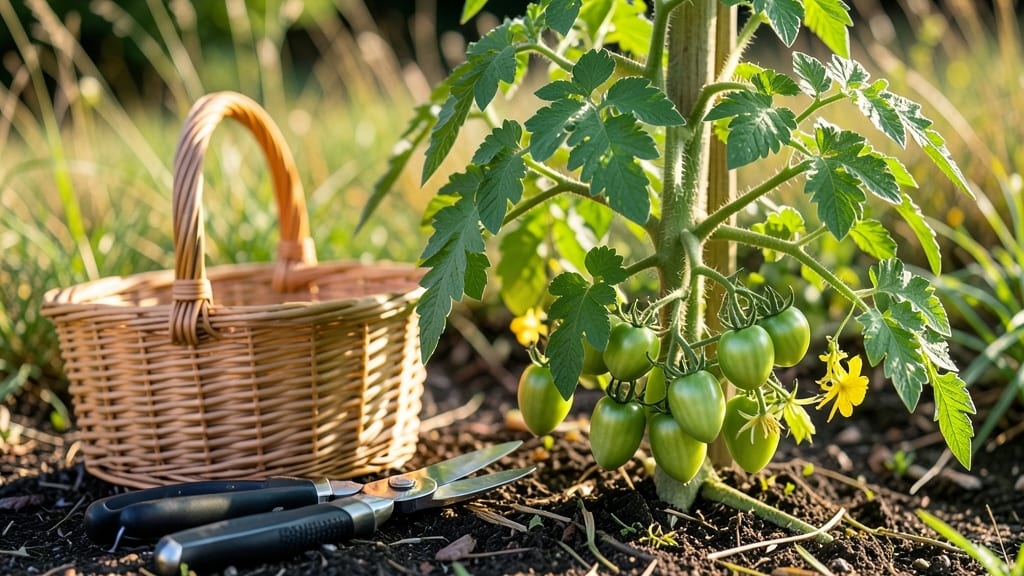
Green tomatoes in season mean the difference between a bland bite and a tangy, sweet harvest that rivals ripe fruit.
If you’ve ever wondered why some green tomatoes taste bland while others burst with tangy sweetness, timing your harvest is everything—especially during peak green tomato season.
Late summer brings the challenge of first frost looming while your tomatoes still cling to their green skins. The good news? With the right techniques, you can turn those unripe fruits into flavorful meals or store them for months.
Below, I’ll share the best times to pick green tomatoes by zone, how to ripen them indoors, and the 5 mistakes that ruin flavor—so you never waste another harvest.
When to harvest green tomatoes for best flavor and storage
Timing your harvest of green tomatoes can make or break their flavor—especially when facing early frost risks or late-season challenges. The key is balancing ripeness with storage potential, as tomatoes harvested too early lack sweetness, while those left too long on the vine risk spoilage.
Understanding regional USDA zones and color cues helps you decide whether to pick for immediate use or long-term storage.
In USDA Zones 5-7, where frost arrives earlier, green tomatoes often need harvesting by mid-September to avoid damage. Meanwhile, gardeners in Zones 8-10 may have until November to let tomatoes ripen naturally.
The challenge? Many varieties never fully ripen outdoors, leaving you with green tomatoes that still pack flavor—if harvested at the right stage.
| USDA Zone | Peak Harvest Window | Color Cues for Harvest | Size Indicators | Storage Potential |
|---|---|---|---|---|
| 5-6 | Late August - Early September | Pale green to light green | 1.5-2.5 inches | High (cure for 2-3 weeks) |
| 7-8 | Mid-September - October | Green with slight yellowing | 2-3 inches | Moderate (best if cured) |
| 9-10 | October - November | Green to light yellow-green | 2.5-4 inches | Low (ripe faster outdoors) |
For the best flavor, aim to harvest when tomatoes reach 70-80% of their mature size and show light green to yellow-green hues.
A gentle squeeze should reveal slight softness—if the tomato gives just a little, it’s ready. Hybrid varieties like 'Celebrity' or 'Better Boy' often ripen faster than heirlooms such as 'Brandywine' or 'Cherokee Purple', so adjust your timing accordingly.
To test ripeness at home, cut a tomato in half and check the seed cavity. If it’s pale yellow or white, the tomato is underripe. A deep yellow or orange cavity signals peak sweetness.
For storage, only harvest when the stem end turns slightly yellow—this indicates the tomato has stopped growing and is ready for curing.
In cooler climates (Zones 5-6), focus on harvesting firm, pale green tomatoes by late summer. These hold their shape longer and cure well for winter storage.
In warmer zones, wait until light green with yellowing before picking, as they’ll ripen faster on the counter. Never harvest soft or shriveled tomatoes—they’ve lost flavor and won’t improve with storage.
Pro tip: Harvest in the morning when temperatures are cooler to preserve sugar content and reduce bruising. Use a sharp knife or pruners to cut stems cleanly—avoid twisting, which damages the plant. After harvesting, let tomatoes air-dry for 2-3 hours before storing to prevent rot.
For long-term storage, cure green tomatoes in a cool, dry place (55-65°F) for 2-3 weeks. Spread them on screens or trays, turning occasionally.
Once cured, store in a dark, humid environment (60-70°F) like a root cellar or fridge crisper drawer. Heirloom varieties stored this way can last up to 6 months!
If frost threatens before your tomatoes ripen, harvest all green fruit immediately. While they won’t sweeten further, they’re still edible and can be fried, pickled, or used in salsa. Just avoid storing frost-damaged tomatoes—they spoil quickly and develop off flavors.
Remember: Patience pays off. A well-timed harvest ensures your green tomatoes deliver the best balance of tangy brightness and storage longevity, whether you’re saving them for winter or enjoying them fresh.
Keep an eye on your plants, and don’t wait too long—once the first frost hits, it’s time to act fast! 🌱
How long green tomatoes last: storage tips by variety and method
Green tomatoes are a gardener’s treasure during late-season harvests or when frost threatens. But how long can you store them? The answer depends on variety type and storage method.
Heirloom tomatoes like Brandywine or Cherokee Purple often last longer than hybrids when stored properly, but even the best varieties spoil quickly if mishandled.
Room temperature storage is convenient but risky—green tomatoes last 1-2 weeks at best, especially in humid climates. Refrigeration extends their shelf life to 3-4 weeks, but only if you follow the right steps.
Curing, a traditional method, can preserve flavor for up to 3 months when done correctly, making it ideal for off-season use.
Here’s a quick comparison of storage methods to help you decide what works best for your harvest:
Storage Method Comparison
- ✅ Lasts 1-2 weeks
- ✅ Easy access for quick use
- ❌ Risk of spoilage in humidity
- ❌ Flavor dulls faster
- ✅ Lasts 3-4 weeks
- ✅ Preserves flavor better
- ❌ Risk of chilling injury
- ❌ Requires proper ventilation
- ✅ Lasts up to 3 months
- ✅ Enhances flavor over time
- ❌ Requires space and patience
- ❌ Not ideal for immediate use
- ✅ Lasts 6-12 months
- ✅ Best for large harvests
- ❌ Texture changes after thawing
- ❌ Requires blanching
For heirloom varieties, curing is the gold standard. Place tomatoes in a single layer on a screen or rack in a cool, dark, and dry spot (around 55-65°F) for 2-4 weeks.
This process allows them to slowly ripen while retaining their unique flavors. Hybrids, like Celebrity or Early Girl, store better in the fridge if you plan to use them quickly.
Prevent spoilage by avoiding ethylene gas buildup—never store tomatoes in sealed containers. Instead, use perforated bags or a ventilated crate. Check for soft spots or mold weekly, and remove any affected tomatoes immediately to stop the spread.
If storing long-term, consider freezing slices or making green tomato relish to preserve their tangy taste.
During off-season months, monitor humidity levels in your storage space. A dehumidifier or silica gel packets can help extend shelf life. If you’re unsure whether your tomatoes are still good, slice one open—if the flesh is firm and free of discoloration, it’s safe to use.
Otherwise, compost it to avoid waste.
With the right method, you can enjoy your green tomato harvest long after the growing season ends—just pick your storage strategy wisely! 🌱