
Size
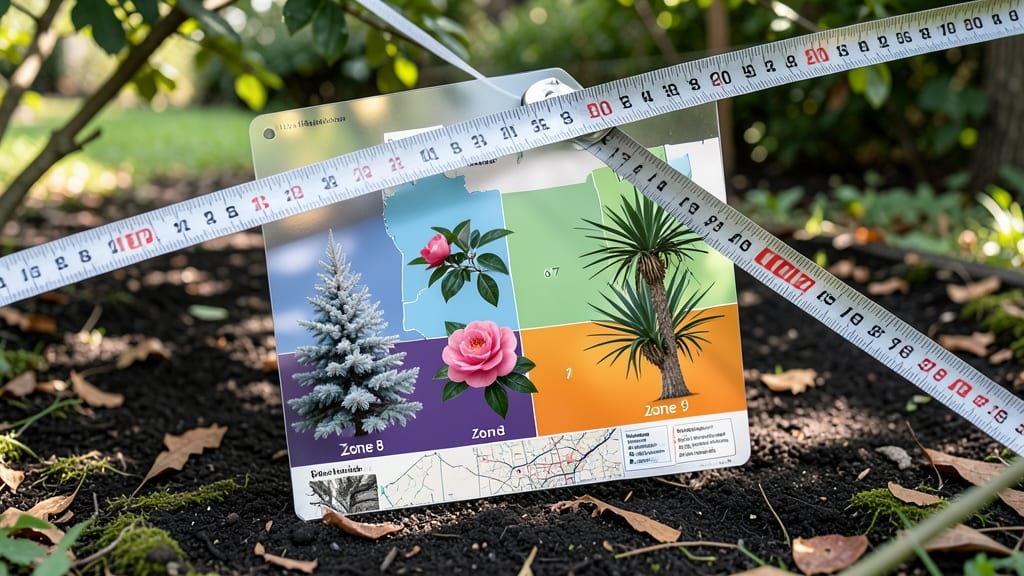
Using your zip code to find your grow zone pinpoints the exact USDA Plant Hardiness Zone for your area, which directly impacts which plants will thrive year-round in your climate. This simple lookup reveals frost dates, ideal planting windows, and cold-hardy varieties suited to your local conditions.
Your zip code unlocks a wealth of gardening intelligence by mapping to the USDA's 13 climate zones, each representing a 10°F temperature range from Zone 1 (subarctic) to Zone 13 (tropical). 🌱 This system helps you avoid costly mistakes like planting frost-sensitive tomatoes too early in Zone 5 or struggling with heat-loving citrus in Zone 7.
Many gardeners don't realize their yard might actually be a half-zone warmer than the surrounding area due to microclimates—like south-facing slopes or urban heat islands—that can shift your effective growing conditions.
Modern tools make this information instantly accessible through interactive maps and apps that overlay your zip code with precise zone boundaries. These resources also show you the average first and last frost dates for your area, which are critical for timing spring plantings and fall harvests.
For example, a gardener in Zone 6a (where winter lows dip to -10°F) would need completely different cold-hardy varieties than someone in Zone 7b (where winters rarely drop below 0°F).
💡 In This Article
- How USDA Plant Hardiness Zones Determine Your Gardening Success
- Tools to Look Up Grow Zones: Free Online Maps and Mobile Apps
How USDA plant hardiness zones determine your gardening success
The USDA Plant Hardiness Zone Map divides North America into 13 zones based on the average annual minimum winter temperature—a critical factor for plant survival. Each zone represents a 10°F range, with Zone 1 experiencing winters as cold as -60°F and Zone 13 staying above 60°F year-round.
This temperature baseline helps gardeners predict which plants can withstand their local winters, as most plants have a specific cold tolerance threshold.
For example, a Zone 5 gardener (where winters dip to -20°F) can safely grow cold-hardy kale, but frost-sensitive okra thrives only in Zone 9+ where winters rarely drop below 20°F. 🌡️
Beyond winter lows, these zones also correlate with frost-free days, which determine growing seasons. A Zone 6 area typically enjoys 140-180 frost-free days, while Zone 10 can stretch to 300+ days—meaning tropical plants like mangoes can grow year-round.
The system accounts for microclimates too: a south-facing wall might create a Zone 7 microclimate in an otherwise Zone 6 yard, allowing gardeners to extend growing seasons for heat-loving plants. Even elevation plays a role—mountainous areas can be 3-5 zones colder than nearby valleys.
Climate change has already shifted these zones northward and upward. Since 1990, average winter temperatures have risen by 2-3°F in many regions, causing some areas to jump from Zone 5b to Zone 6a.
This means plants that once struggled in your area may now thrive—like lavender, which was once limited to Zone 7+ but now grows successfully in Zone 6 with proper winter protection.
The USDA updates its map every 10 years to reflect these changes, ensuring gardeners have the most current data for their zip code.
Understanding your zone also affects flowering times and harvest windows. Plants in warmer zones (like Zone 9) often bloom earlier in spring and produce fruit faster than those in cooler zones (Zone 4).
For instance, peach trees in Zone 7 may fruit 2-3 weeks earlier than identical varieties in Zone 5. This timing difference is crucial for gardeners planning succession plantings or extending harvests into fall. 🌸
For container gardening, zones influence which plants can survive in pots moved indoors during winter. A Zone 5 gardener might overwinter tropical hibiscus in a greenhouse, while a Zone 10 gardener can leave it outdoors year-round.
The key is knowing your zone's coldest month average—this tells you which plants can handle your harshest conditions. Many nurseries now label plants with both their zone range and chill hours (the number of hours below 45°F needed for fruit trees to bloom), giving gardeners precise guidance.
What most gardeners overlook is how urban heat islands can push their effective zone up by 1-2 degrees. Concrete and asphalt absorb heat, creating microclimates where Zone 6 plants might thrive in a city block that's technically Zone 5.
To verify your exact conditions, compare your zip code's zone with on-site observations: track your local frost dates for 3 years or use a minimum thermometer to confirm winter lows. This hands-on approach ensures your gardening decisions match reality, not just the map.