
Container Gardens
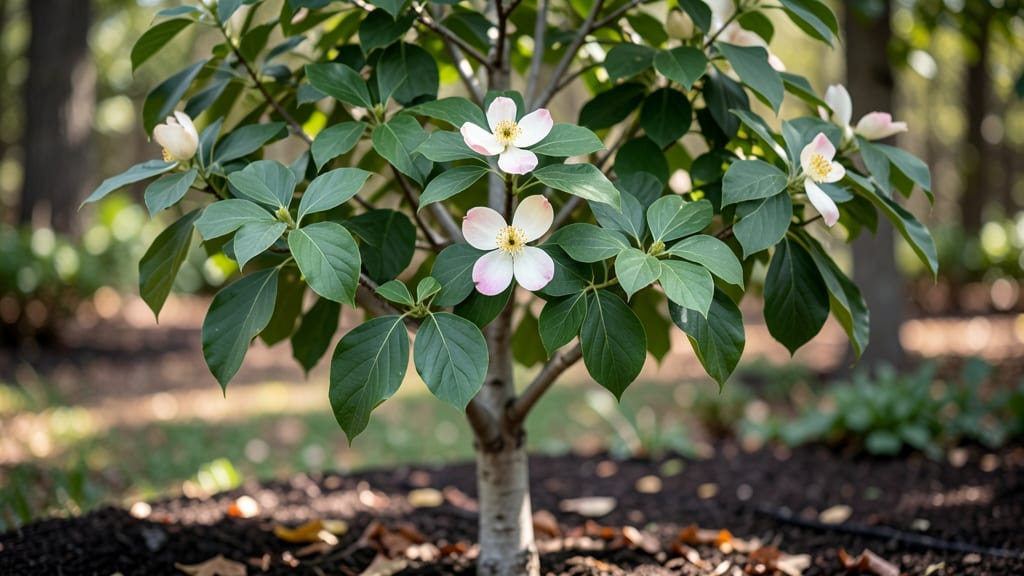
Ohio's growing zones by zip code determine your plant hardiness, ranging from USDA Zone 5b in colder northern regions like Cleveland to Zone 6b in warmer southern areas such as Cincinnati. These zones help gardeners select plants that thrive in their specific climate conditions.
Understanding your Ohio growing zone by zip code is essential for successful gardening. 🌱 The USDA Plant Hardiness Map divides Ohio into these zones based on average annual minimum temperatures, which directly impact what plants will survive winter.
For example, Zone 5b areas like Toledo experience colder winters compared to Zone 6b regions like Columbus, allowing for different plant varieties. Microclimates within the same zip code can also create variations, so checking your exact zone ensures you choose the right plants for your specific location.
To find your precise zone, simply enter your zip code on the USDA Plant Hardiness Map website. This tool provides detailed information about your local climate, helping you make informed decisions about planting times and suitable crops.
Local extension offices and gardening apps can also offer valuable insights tailored to your Ohio zip code.
💡 In This Article
- How Ohio’s Zip Code Zones Affect Plant Selection
- Finding Your Exact Ohio Growing Zone by Zip Code
How Ohio’s zip code zones affect plant selection
The USDA Plant Hardiness Zone Map divides Ohio into zones based on the average annual minimum winter temperatures, which directly influence what plants can survive in your area.
Zone 5b (like Cleveland) has average winter lows of -15°F to -10°F, while Zone 6b (like Cincinnati) ranges from -5°F to 0°F. This 10°F difference means Zone 6b can support tender perennials like lavender or roses that might die back in Zone 5b winters. 🌿
These zones also correlate with critical growing season factors. Zone 5b areas typically have 150-180 frost-free days, while Zone 6b regions enjoy 180-210 days—meaning you can plant heat-loving crops like sweet potatoes or okra in southern Ohio but not in northern areas.
The last spring frost in Toledo (Zone 5b) averages around April 15, while Cincinnati (Zone 6b) sees its last frost around April 5, giving southern gardeners a 10-day head start on planting.
Microclimates create even more variation within zip codes. Urban areas like downtown Columbus (Zone 6b) can be 2-3°F warmer than surrounding rural areas due to heat absorption from buildings and pavement. Conversely, lake-effect zones near Lake Erie experience colder temperatures and longer winters.
These variations mean a backyard garden in a sheltered microclimate might support Zone 6 plants even in a Zone 5b area. 🌳
Understanding your zone helps with plant selection beyond just winter survival. Zone 6b's warmer winters allow for earlier spring planting of tender annuals like basil or tomatoes, while Zone 5b gardeners must wait until after the last frost or use row covers.
The temperature differences also affect summer heat tolerance—Zone 6b's warmer climate suits heat-loving plants like peppers and eggplants better than Zone 5b's cooler summers.
For container gardening, these zones matter too. Zone 5b gardeners should choose cold-hardy container plants like pansies or kale, while Zone 6b containers can handle tender tropicals like hibiscus or bougainvillea during summer months.
The key is matching your zone's temperature extremes with each plant's hardiness range, found on seed packets or plant tags. 🌱
What most gardeners overlook is how these zones interact with soil conditions. Ohio's clay-heavy soils in Zone 5b areas benefit from heavy mulching to protect roots, while Zone 6b's slightly warmer soils dry out faster, requiring more frequent watering.
This zone-to-soil relationship explains why some plants thrive in one area but struggle just 50 miles away—even within the same state. 💧