
Container Gardens
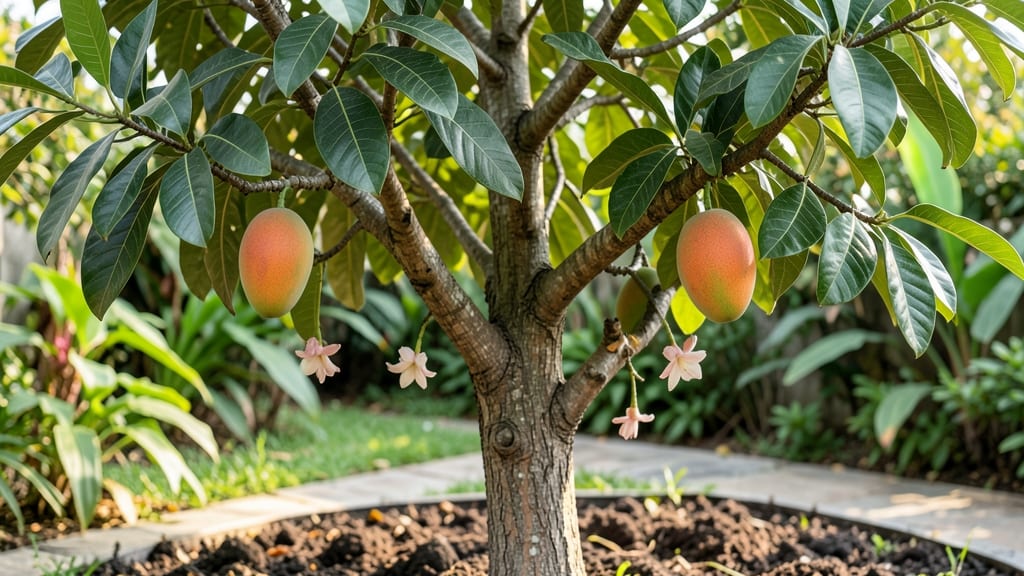
Mango growing zones include USDA Zones 10-11 as the ideal range, where temperatures rarely drop below 30°F (-1°C). With proper protection, trees can tolerate brief dips to 28°F (-2°C), but frost will damage leaves and fruit. Microclimates like coastal areas or sheltered spots can push growth into nearby zones.
Mango trees are tropical powerhouses that need warmth year-round, making USDA Zones 10-11 their sweet spot. 🌴 The real magic happens in microclimates—think coastal areas where ocean breezes moderate temps or urban heat islands that trap warmth.
I’ve seen gardeners in Zone 9 push the limits by wrapping trees in frost cloth or planting them in containers that can be moved indoors during cold snaps. The key is protecting young trees first, since mature ones handle brief chills better.
For those outside the ideal range, varieties like 'Ice Cream' or 'Julie' are your best bets—they’re bred to handle cooler temps. Even then, winter protection is non-negotiable. Mulching heavily and using row covers can add 5-10°F of insulation, making all the difference when frost looms.
💡 In This Article
- USDA Zones for Mango Cultivation and Temperature Tolerances
- Extending Mango Growth Beyond Ideal Zones with Microclimates
USDA zones for mango cultivation and temperature tolerances
Mango trees are tropical plants with a delicate relationship with cold. The 30°F (-1°C) threshold isn't just a random number—it's the point where mango cells begin suffering from chilling injury.
When temperatures drop below this, the cell membranes in leaves and fruit start breaking down, leading to discoloration, tissue death, and reduced fruit quality. This is why Zone 10-11 is considered ideal: these areas experience fewer than 10 days per year below 32°F (0°C), giving mango trees consistent warmth.
The science gets more interesting with temperature fluctuations. Mango trees actually prefer stable warmth—rapid drops below 50°F (10°C) can trigger premature flowering or fruit drop.
In contrast, steady temperatures between 68-86°F (20-30°C) during growing seasons optimize photosynthesis and fruit development. 🌡️ The tree's native tropical environment provides this stability, which is why gardeners in cooler zones must work harder to replicate these conditions.
What most people don't realize is how fruit development stages affect cold tolerance. Young fruit is particularly vulnerable—exposure to 40°F (4°C) or below during this phase can cause sunken spots or deformed growth. Mature fruit can handle slightly cooler temps, but the real damage happens to the tree's foliage.
Leaves exposed to 28°F (-2°C) for more than 30 minutes will develop brown, crispy edges, reducing the tree's ability to photosynthesize effectively the following season.
USDA zone maps provide a useful starting point, but they don't tell the whole story. The 10-year average minimum temperature used to define zones doesn't account for microclimates where temperatures can vary dramatically over short distances.
For example, a garden in Zone 9 might experience 10°F warmer temperatures than the official zone average if it's located near a heat-retaining structure or in a sheltered valley. This is why local weather patterns matter more than the zone number itself.
Consider this comparison: A mango tree in Miami (Zone 10b) with 50+ days above 86°F (30°C) each summer will produce fruit more reliably than one in San Diego (Zone 10a) where summer highs rarely exceed 75°F (24°C).
The heat accumulation during growing seasons is just as critical as winter protection. This is why some gardeners in Zone 9 with consistent summer heat can successfully grow mangoes with proper winter care, while others in similar zones struggle due to cooler summers.
For those tracking the science, mango trees have a critical low-temperature threshold of 28°F (-2°C) for survival, but this is only true for brief exposures. Prolonged exposure to these temps will kill the tree.
The real challenge lies in the transition periods—spring and fall when temperatures fluctuate wildly. During these times, even protected trees can suffer if they're not properly acclimated to changing conditions.