
Trees
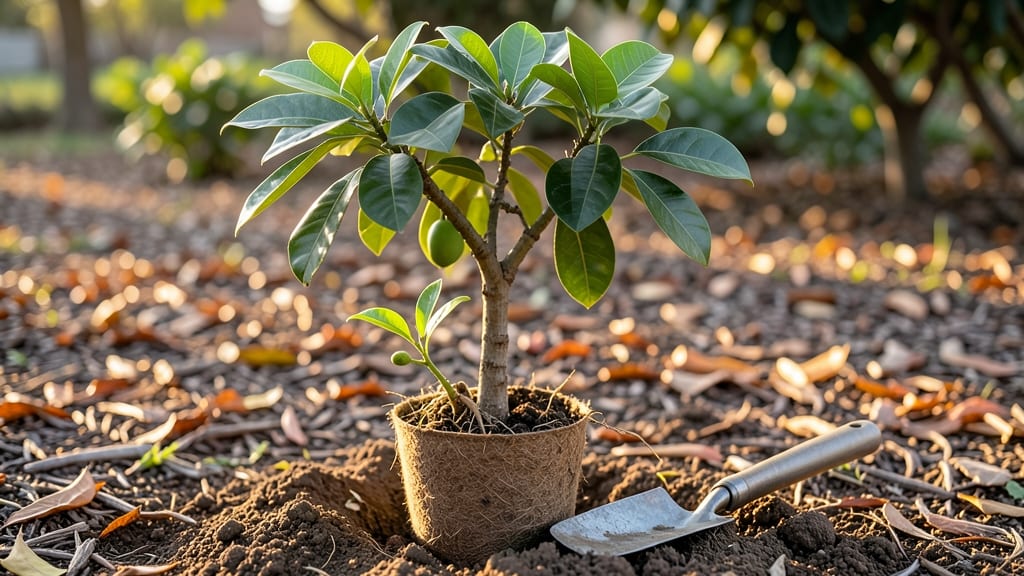
Mango trees thrive best in USDA planting zones 10 through 12, where winter temperatures never dip below 30°F (-1°C). Varieties sensitive to cold may survive in zones 9 or lower only with winter protection or container cultivation.
Understanding your local climate is key to successful mango cultivation. 🌡️ These tropical trees demand warmth year-round, and even brief cold snaps can damage leaves or kill the plant entirely.
In zones 9-10, growers often use thick mulch around the base and wrap tree trunks with frost cloth during winter months. The right variety makes all the difference—some cold-hardy types like 'Julie' can tolerate brief dips to 28°F (-2°C), while others need constant protection.
For container growing, move pots indoors before temperatures fall below 50°F (10°C), as roots are particularly vulnerable to chill.
What's often overlooked is how microclimates can extend growing zones. A sunny, sheltered spot near a building or against a south-facing wall might add 2-3 zones' worth of warmth. Windbreaks also help by reducing cold air exposure.
If you're in a marginal zone, start with dwarf varieties—they're easier to protect and can even be brought indoors during winter. The goal is to mimic their native tropical environment as closely as possible.
💡 In This Article
- USDA Zones for Mango Tree Growth and Cold Tolerance Limits
- Protecting Mango Trees in Marginal Zones: Seasonal Care Guide
USDA zones for mango tree growth and cold tolerance limits
Mango trees originate from tropical regions where temperatures hover between 68°F (20°C) and 95°F (35°C) year-round, with no frost exposure. This explains why they flourish in USDA zones 10-12, where winter lows stay above 30°F (-1°C).
The critical threshold is 28°F (-2°C)—any colder and cellular damage occurs in leaves, flowers, and even the trunk. 🌡️ At these temperatures, water inside plant cells freezes and expands, rupturing cell walls in a process called frost cracking.
The root system is particularly vulnerable—mango roots begin suffering damage at 32°F (0°C), while the trunk can withstand brief exposure to 28°F (-2°C) only if it's fully mature. Fruit production halts completely when nighttime temperatures drop below 50°F (10°C), as flowers require consistent warmth to pollinate.
In zone 11, where winters reach 40°F (4°C), trees may enter dormancy but recover in spring, while zone 10's 30-40°F (-1 to 4°C) winters push many varieties to their limits.
Microclimates play a crucial role in expanding viable growing zones. A south-facing wall can add 5-10°F (3-6°C) of warmth, while windbreaks reduce cold air exposure by 30-50%.
For example, a mango tree planted against a brick wall in zone 9 might experience 45°F (7°C) winters instead of the zone's average 35°F (2°C).
Coastal areas also benefit from moderating ocean breezes, while inland zones face harsher temperature swings. 🌿 The key is positioning trees where they receive maximum solar radiation during winter months.
Frost damage manifests differently depending on the plant's stage. Young trees (under 3 years) suffer irreversible trunk damage at 28°F (-2°C), while mature trees may lose leaves but regrow if the trunk survives. Fruit exposed to frost becomes mealy and inedible, while flowers drop entirely.
What's often overlooked is how repeated cold exposure weakens trees over time—even if they survive one frost, their resilience diminishes with each subsequent cold snap. This is why container growing works better in marginal zones: pots can be moved to protected areas during winter.
Here's how different zones compare in terms of cold tolerance:
- Zone 10: 30-40°F (-1 to 4°C) winters; requires winter protection for most varieties
- Zone 11: 40-50°F (4-10°C) winters; some cold-hardy varieties survive with minimal protection
- Zone 12: 50°F+ (10°C+) winters; ideal for tropical mango varieties
In zone 9, where winters dip to 20-30°F (-7 to -1°C), only dwarf varieties like 'Julie' or 'Ice Cream' mangoes have a chance—these can tolerate brief exposures to 28°F (-2°C) when fully mature. The trade-off?
They produce smaller fruit and require more careful winter care. For container growers, the secret is using 10-12 inch pots with excellent drainage and moving them indoors before temperatures fall below 50°F (10°C). 🌱