
Advice
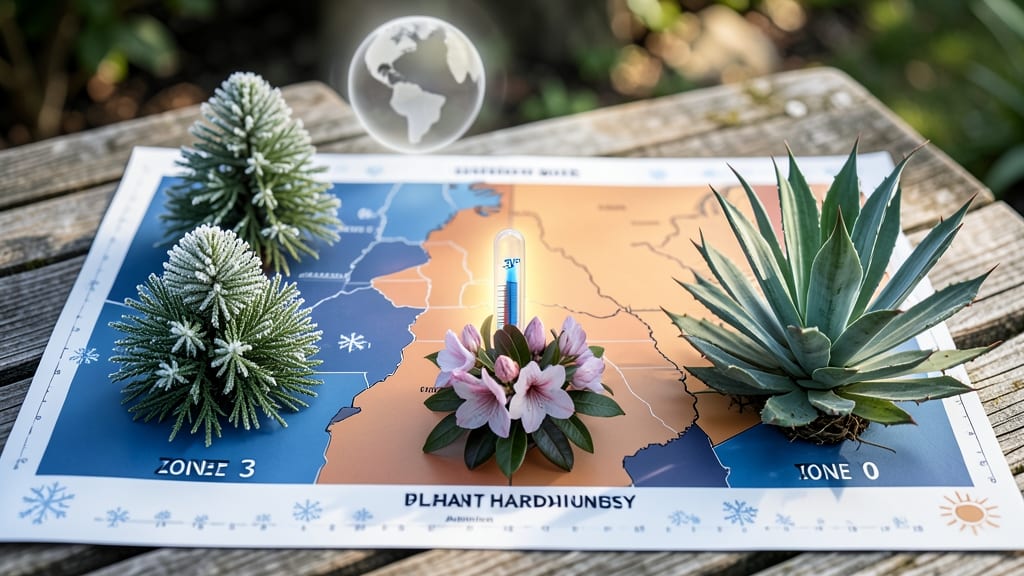
Finding your USDA growth zones in the USA requires locating your area on the official 13-zone map (1-13) with optional a-b subzones, based on your region's average annual minimum temperature. This classification helps gardeners select plants that will survive winter conditions in their specific climate.
Understanding these zones is crucial because they reflect the coldest temperatures your area typically experiences. 🌡️ The USDA uses data from weather stations across the country to create these zones, which are updated periodically to account for climate changes.
For example, many areas have shifted to warmer zones over the past few decades due to rising temperatures. Knowing your exact zone helps you choose plants that will thrive year-round, avoiding costly mistakes like frost damage to tender species.
To find your specific zone, you can use the USDA's interactive map or enter your ZIP code into their zone finder tool. These resources make it easy to pinpoint your location, even down to subzones, which can make a significant difference in plant selection.
For instance, a zone 7a might be too cold for certain tropical plants that would thrive in 7b. Always double-check your results, especially if you live near a microclimate—like a city center or a hillside—that might experience slightly different temperature patterns.
💡 In This Article
- How USDA Plant Hardiness Zones Are Determined
- Tools and Tips for Pinpointing Your Exact Zone
How USDA plant hardiness zones are determined
The USDA plant hardiness zones rely on 30 years of temperature data collected from thousands of weather stations across the USA. Scientists analyze the average annual minimum temperature—the coldest temperature expected to occur in any given year—because this is the critical factor that determines which plants can survive winter.
For example, zone 5 experiences -20°F to -10°F (-29°C to -23°C), while zone 9 sees 20°F to 30°F (-7°C to -1°C), creating a clear threshold for frost-sensitive species.
Subzones (a and b) add precision by splitting each zone into 5°F increments. This distinction matters because it can determine whether a plant like camellias (zone 7b-9) or boxwoods (zone 4-9) will thrive in your specific microclimate.
The USDA updates these zones every 10 years to reflect climate shifts—since 1990, many areas have moved into warmer zones due to rising temperatures, sometimes by half a zone or more. For instance, parts of New England that were zone 5b in 1990 are now classified as 6a.
What most gardeners don’t realize is that these zones are based on long-term averages, not individual weather events. A single cold snap in zone 7 won’t reclassify your area—it’s the 30-year trend that counts.
This is why hardy perennials like peonies (zone 3-8) or lavender (zone 5-9) are often recommended: their survival range spans multiple zones, reducing risk. The system also accounts for elevation—mountain regions may experience colder microclimates despite being geographically close to warmer zones.
Historically, the first USDA map (1960) used only 11 zones, but modern versions now include 13 zones plus subzones to better reflect regional variations. For example, the Pacific Northwest’s marine influence creates milder winters in coastal areas (zone 8) compared to inland valleys (zone 6).
Even within a single city, zones can vary—urban heat islands often push downtown areas into warmer classifications than surrounding suburbs. 🌡️
Climate change has accelerated these shifts. Since 2012, the USDA has incorporated climate projections into its data, meaning future maps may show even warmer zones. For gardeners, this means plants traditionally grown in zone 7b (like citrus) might soon thrive in zone 7a areas.
However, the system still relies on historical data, so sudden temperature swings (like the 2021 Texas freeze) can create temporary mismatches between the map and real-world conditions.
To verify your zone, cross-check the USDA map with local agricultural extension offices—they often have hyperlocal data on microclimates. For example, a south-facing slope in zone 6 might safely grow zone 7 plants, while a frost pocket at the bottom of a valley could require zone 5 selections.
Always test plants in containers first to assess their resilience before committing to permanent beds. 🌱