
Blooming
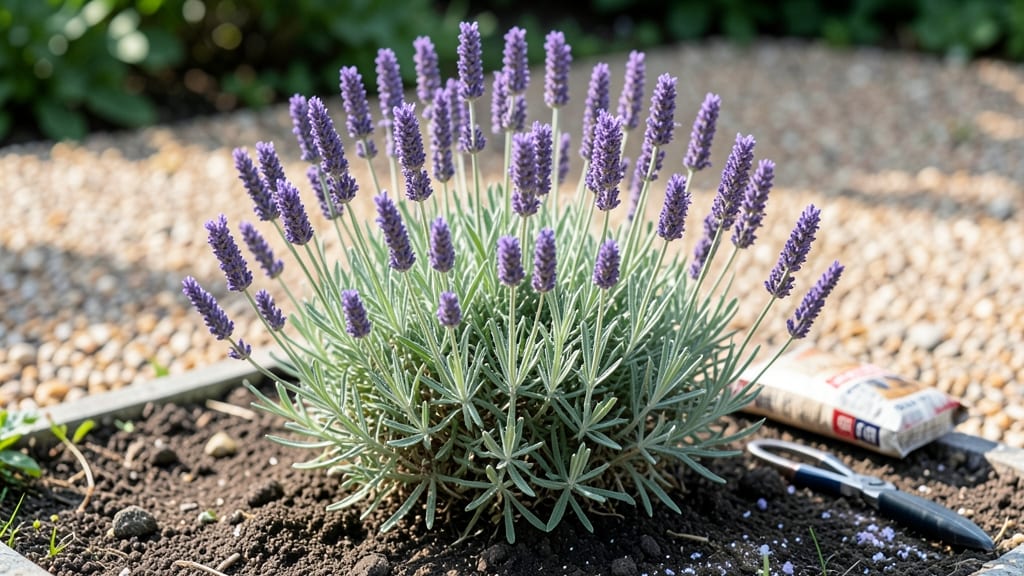
The lavender plant flowering season runs from late spring through summer, with peak blooms typically arriving between June and August in most USDA zones.
If you’ve ever wondered why your lavender plant sometimes blooms in bursts and other times stays barren, the answer lies in understanding its natural flowering season—and how to optimize it for year-round beauty.
This fragrant herb thrives in full sun and well-drained soil, but even the hardiest varieties need the right timing for consistent blooms. Too much shade or overwatering can delay flowers, while proper pruning after the first bloom encourages a second flush.
Below, I’ll break down the month-by-month blooming timeline, regional variations, and the 3 key care tips to extend your lavender’s flowering season by weeks.


When does lavender flower: month-by-month blooming timeline
Understanding your lavender plant flowering season is key to unlocking its full potential. Most varieties bloom in late spring to summer, but timing varies by USDA zone and cultivar.
In zones 5-7, expect blooms from June to August, while zones 8-9 often see flowers as early as May or as late as September. The secret lies in your plant’s response to daylight hours and temperature shifts.
Lavender is a photoperiod-sensitive plant, meaning it blooms when daylight reaches its natural threshold. In cooler climates like zone 5, buds form in early spring but won’t open until warmer temperatures arrive.
Meanwhile, zone 9 lavender may start flowering in April if winter wasn’t too harsh. This variability explains why your neighbor’s lavender might bloom weeks before yours!
Here’s how to navigate the lavender flowering season with precision, including regional adjustments and care tips to maximize those fragrant spikes.
| Month | USDA Zone 5-7 | USDA Zone 8-9 | Key Care Tips |
|---|---|---|---|
| March | Bud formation begins (cold zones) | Early blooms in mild winters | Prune dead stems; avoid heavy watering |
| April | Bud swelling visible | Peak bloom for early varieties | Reduce water; full sun exposure |
| May | First blooms in warm microclimates | Full bloom for most varieties | Harvest 1/3 of stems; deadhead spent blooms |
| June | Peak bloom in zone 5-7 | Second flush possible in zone 9 | Light fertilizer; watch for powdery mildew |
| July | Blooms fade; seed pods form | Late bloomers peak | Prune lightly; reduce water gradually |
| August | Dormancy begins in cold zones | Final blooms before dormancy | Stop fertilizing; prepare for winter |
| September | New growth in mild zones | Possible second bloom wave | Light pruning; monitor for pests |
In USDA zone 5, lavender typically waits until June for peak blooms because cooler springs delay bud opening. The 10-12 hour daylight threshold isn’t met until late spring.
Meanwhile, zone 9 lavender often starts in May because milder winters and longer daylight hours trigger earlier flowering. This 3-4 week difference highlights why regional adjustments matter.
Did you know Spanish lavender (Lavandula stoechas) blooms earlier than English lavender (Lavandula angustifolia)? Spanish varieties often flower in late April to May, while English lavender peaks in June-July.
This timing difference lets you create a staggered bloom display by planting both types. Mixing cultivars is a pro gardener’s trick to extend your lavender flowering season from spring to fall!
Climate plays a surprising role in lavender bloom timing. In dry, hot summers (like Southern California’s zone 9), lavender may bloom in two flushes: once in spring and again in fall.
The heat triggers dormancy, then cooler nights restart growth. In humid climates (e.g., Pacific Northwest), lavender blooms later because excess moisture stresses the plant, delaying its natural cycle.
To encourage longer lavender blooms, prune 1/3 of the plant right after the first flush fades. This removes spent flowers and signals the plant to produce new buds. Avoid pruning in fall, as this can prevent next year’s blooms.
In zone 5, a light pruning in September can coax a second flush before frost. Just remember: never prune into old wood—this kills the plant!
If your lavender skips blooming, check these three culprits: over-fertilizing (too much nitrogen = leafy growth, no flowers), poor drainage (root rot prevents flowering), or shady conditions (lavender needs 6+ hours of sun). Move potted
How to extend lavender flowering season: pruning and care tips
Lavender typically blooms in late spring to early summer, but with the right care, you can coax a second flush of flowers later in the season. The key lies in understanding its natural growth cycle and how to stimulate new growth without stressing the plant.
Many gardeners miss the opportunity because they don’t realize lavender can rebloom if given the right conditions.
First, let’s address the biggest misconception: lavender doesn’t need heavy pruning to bloom. In fact, over-pruning can stunt flowers for the next season. Instead, focus on light pruning after blooms and adjusting care to encourage a second round of buds. Here’s how to make it happen.
💡 Pro Tip for Longer Blooms: Lavender thrives on stress—just not the bad kind! To trigger a second flush, prune lightly after the first bloom cycle (around July 4th in most zones) and reduce watering slightly. This mimics natural drought conditions, signaling the plant to produce new buds. Avoid fertilizing during this time, as excess nitrogen promotes leafy growth over flowers.
Start by pruning spent blooms right after the first flush fades. Use clean, sharp bypass pruners to trim back about one-third of the plant’s height, focusing on woody stems. This encourages new growth from the base, where future buds will form.
For English lavender varieties, which are more forgiving, you can prune slightly harder, but French and Spanish lavender need gentler cuts to avoid dieback.
Watering plays a critical role in extending blooms. Lavender is drought-tolerant, so the key is to water deeply but infrequently. After pruning, give your plant a deep soak every 10-14 days in the morning to prevent fungal issues.
Once new growth appears (usually in 6-8 weeks), you’ll see small buds forming—this is your cue that the second flush is on its way!
Sunlight is non-negotiable for lavender. If your plant isn’t getting 6-8 hours of full sun daily, it won’t rebloom. Move potted lavender to a south-facing spot or supplement with a grow light during short winter days.
In containers, ensure the pot has drainage holes to prevent root rot, which can weaken the plant and reduce flowering.
Finally, don’t forget about soil health. Lavender prefers well-draining, slightly alkaline soil (pH 6.5-7.5). If your soil is heavy clay, amend it with sand or gravel to improve drainage.
A light layer of mulch (like gravel or straw) around the base helps retain moisture while keeping roots cool—just avoid piling it against the stems.
With these adjustments, your lavender can bloom twice a year—once in spring and again in early fall—giving you months of fragrance and color. The secret is patience and precision: prune at the right time, water wisely, and let the sun do the rest. Happy gardening! 🌿