
Planting
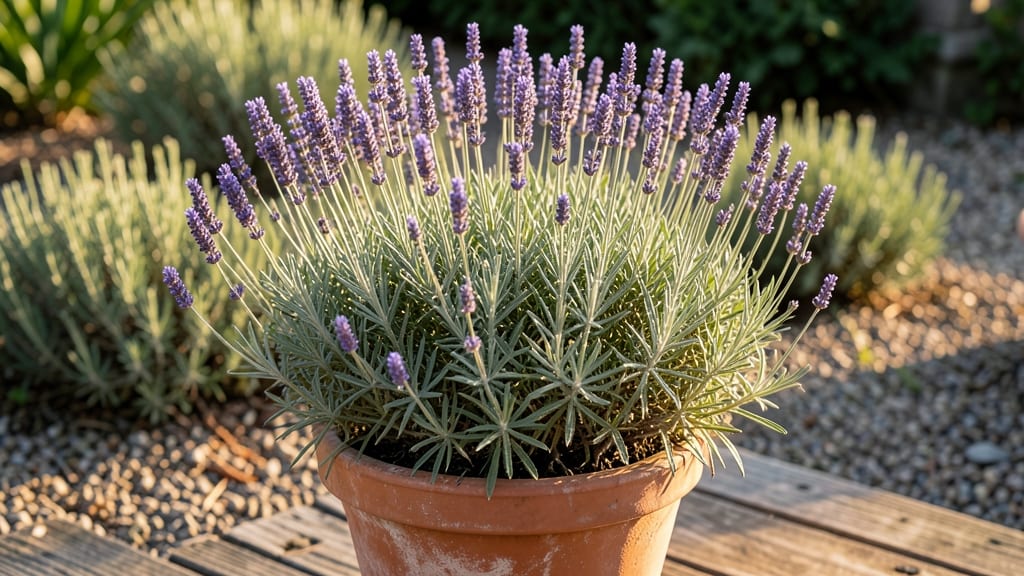
Lavender grows best in USDA Hardiness Zones 5 through 9, with most varieties thriving in zones 7 to 9 for peak performance. Hardy English lavender can endure temperatures down to 0°F (-18°C), while delicate types require protection when temperatures drop below 20°F (-7°C).
Understanding your hardiness zone for lavender is key to choosing the right variety and ensuring long-term success. 🌱 The USDA zone system reflects average minimum winter temperatures, which directly impact lavender's ability to survive dormancy.
For example, Spanish lavender (Lavandula stoechas) typically struggles in zone 5 without winter protection, while French lavender (Lavandula dentata) often handles the colder end of the spectrum better. The difference comes down to root systems—deeper roots insulate against frost, while shallow-rooted varieties need extra care.
What's interesting is how microclimates can extend lavender's range. A south-facing wall or raised bed can create a 5°F warmer environment, allowing you to grow zone 8 varieties in zone 7 areas.
I've seen gardeners in zone 6 successfully overwinter lavender by planting it near heat-retaining structures or using thick mulch layers. The trade-off? While hardy varieties might survive, they may produce fewer blooms in marginal zones.
💡 In This Article
- How USDA Zones Affect Lavender Growth and Survival
- Winterizing Lavender in Colder Zones (5-6)
How USDA zones affect lavender growth and survival
The USDA hardiness zone system categorizes regions based on average annual minimum temperatures, which directly influence lavender's survival. Lavender's native Mediterranean climate means it evolved to handle dry heat but struggles with prolonged cold and wet conditions.
In zones 7-9, where winter temperatures typically stay above 10°F (-12°C), lavender experiences ideal conditions for both root development and flowering. The deeper root systems of mature plants in these zones can penetrate 3-4 feet deep, accessing moisture and nutrients while insulating against occasional frost.
Here's where things get interesting: English lavender (Lavandula angustifolia) stands out as the most cold-tolerant variety, capable of surviving brief exposures to 0°F (-18°C) due to its hardy root structure and waxy leaf coating that reduces water loss.
Spanish lavender (Lavandula stoechas), on the other hand, typically requires protection below 20°F (-7°C) because its more delicate foliage lacks this protective wax layer. The difference becomes visible in spring - hardy varieties rebound quickly with vibrant green foliage, while tender types may show browned leaves from winter damage. 🌿
Temperature extremes during dormancy create another critical factor. Lavender enters dormancy when nighttime temperatures consistently drop below 50°F (10°C), but it's the rapid temperature swings that cause more damage.
For example, a plant that survives a -5°F (-21°C) night might still suffer if daytime temperatures spike to 40°F (4°C) the next day - this freeze-thaw cycle can rupture cell walls.
That's why gardeners in zone 5 often see better results with lavender planted on south-facing slopes, where the ground warms more quickly in spring.
The root zone temperature is actually more critical than air temperature for lavender survival. Soil temperatures below 32°F (0°C) can cause root damage even if air temperatures stay above freezing.
This is why mulching with 4-6 inches of organic material (like straw or wood chips) becomes essential in colder zones - it creates an insulating blanket that maintains soil temperatures 5-10°F warmer than the surrounding air.
The science here involves thermal conductivity: organic mulch has low thermal conductivity, meaning it resists heat transfer and maintains more stable underground temperatures.
What most gardeners don't realize is how humidity levels interact with cold tolerance. Lavender's native Mediterranean environment has low humidity, and high moisture content in winter can be just as damaging as extreme cold.
When lavender plants sit in wet, cold soil, their roots suffocate from lack of oxygen, leading to rot even at temperatures above freezing. This is why well-draining soil with a pH between 6.0-8.0 becomes crucial - it prevents waterlogging while maintaining nutrient availability.
In zones 5-6, I recommend amending clay soils with 20-30% sand to improve drainage.
Consider these key factors when selecting lavender for your zone:
- Zone 7-9: Ideal for most varieties - English, French, and Grosso lavender thrive with minimal winter care
- Zone 6: Requires winter protection for tender varieties (like Spanish lavender) - use 12+ inches of mulch
- Zone 5: Only hardy English lavender recommended; consider container growing for easier winter protection
- Zone 4 or below: Lavender is not recommended unless using greenhouse cultivation