
Planting
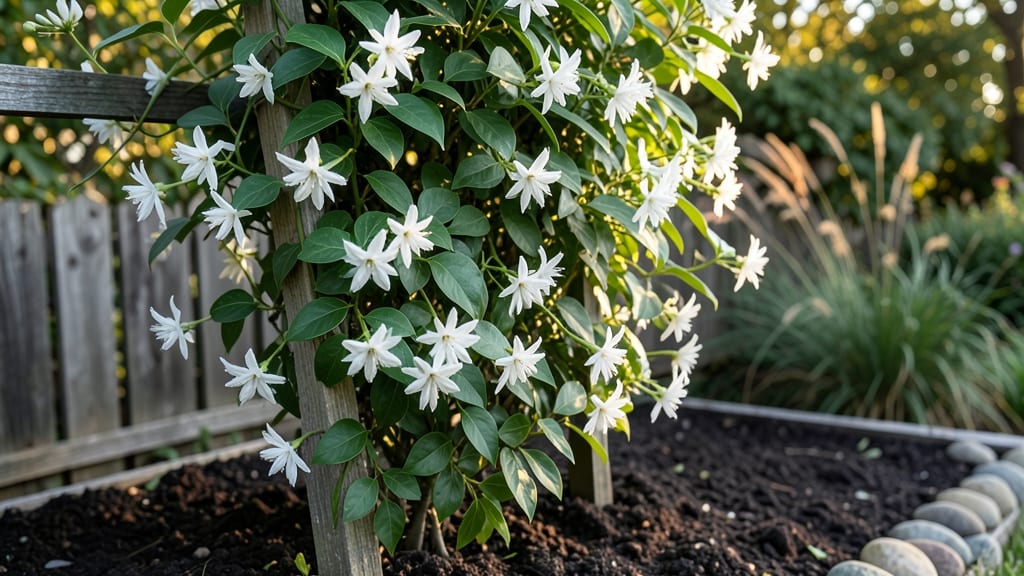
Hardy jasmine in Zone 6 thrives with proper pruning timing, especially in late winter or early spring to encourage new growth and continuous blooms. Avoid heavy pruning in fall to prevent cold damage to hardy varieties.
Zone 6's colder winters mean hardy jasmine needs strategic pruning to survive and flourish. 🌸 The key is timing—late winter or early spring cuts stimulate fresh growth before the growing season kicks in, while fall pruning risks exposing tender stems to frost.
I've found that shaping plants after the last hard freeze (around mid-March) gives them the best chance to rebound strong.
What sets hardy jasmine apart is its ability to bloom on both old and new wood, so you can control fragrance intensity by adjusting your cuts. Light pruning in late summer also encourages late-season blooms, extending your plant's fragrant performance well into fall.
Just remember—never cut into last year's growth too aggressively, as that's where many of the fragrant flowers develop.
💡 In This Article
- Understanding Hardy Jasmine’s Cold Tolerance and Growth Cycle
- Step-by-Step Zone 6 Hardy Jasmine Pruning Guide
Understanding hardy jasmine’s cold tolerance and growth cycle
The cold hardiness of jasmine varieties like Jasminum nudiflorum or Jasminum officinale makes them perfect for Zone 6's -10°F to 0°F winters, but their growth cycle is tightly linked to temperature shifts. Hardy jasmine enters dormancy when nighttime temperatures consistently drop below 40°F, which typically happens in late fall.
During dormancy, the plant conserves energy by slowing metabolic processes, which is why heavy pruning in fall can shock the system and invite disease or frost damage.
What makes pruning timing so critical is how jasmine develops its fragrant blooms. Most hardy varieties produce flowers on both old and new wood, meaning last year's growth (old wood) often carries next season's buds.
When you prune in late winter (February-March), you're encouraging the plant to focus its energy on fresh growth from the base, which will bear flowers in 30-45 days.
This is why I always wait until after the last hard freeze—usually around mid-March in Zone 6—before making cuts, as new growth is vulnerable to frost damage below 28°F.
The science behind this involves a hormone called auxin, which regulates growth. When you prune in late winter, you create fresh cut points that release auxin, stimulating cell division at the stem tips.
This hormonal response triggers the plant's growth cycle to restart, often resulting in 30-50% more blooms than fall pruning. The key is to remove no more than 1/3 of the plant's total volume in any single pruning session to avoid stressing the root system.
Hardy jasmine also exhibits a fascinating adaptation called vernalization, where exposure to cold temperatures actually promotes flowering. This is why plants pruned in late winter often bloom earlier and more prolifically than those pruned in fall.
The cold period acts like a reset button, ensuring the plant's energy goes toward reproductive growth rather than vegetative spread. 🌿 For example, Jasminum nudiflorum (winter jasmine) can bloom as early as January if given the right dormancy conditions.
One common mistake gardeners make is confusing "hardy" with "indestructible." While these plants can survive Zone 6 winters, their new growth is still tender until temperatures stabilize above 50°F.
That's why I recommend a two-step approach: First, do a light shaping cut in late winter to remove dead or crossing branches. Then, follow up with a second pruning in early summer to control size and encourage late-season blooms.
Consider this comparison: A hardy jasmine pruned in November might produce 20-30% fewer blooms the following year compared to one pruned in March, because the plant wastes energy trying to heal wounds during winter dormancy.
The fragrance intensity also suffers, as many floral scents develop fully only after the plant has established new growth in response to spring warmth.