
Vegetables
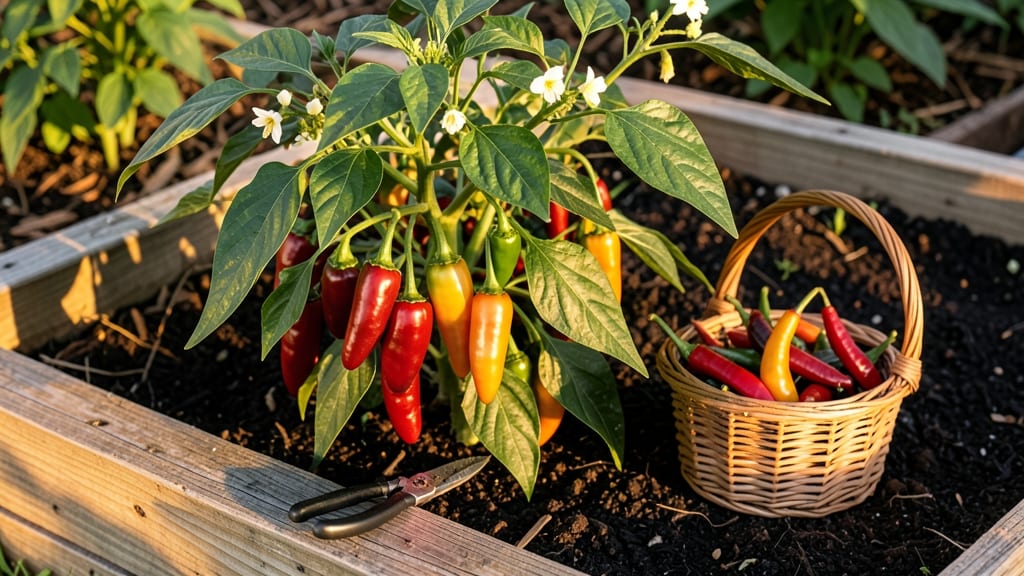
The Hatch chile harvest season is your chance to savor the bold, smoky flavors that define New Mexico’s culinary soul—but missing the window means bland, underripe peppers or wasted potential.
Picture this: rows of 🌶️ Hatch chiles turning fiery red under the high-desert sun, their heat building to perfection. Yet even experienced gardeners can misjudge the ideal moment, leading to chiles that lack the signature depth or snap you crave.
Timing isn’t just about the calendar—it’s about altitude, variety, and even last year’s rainfall. In Hatch Valley, the peak runs from mid-July to early September, while Albuquerque’s cooler nights stretch the season later.
I’ll break down the exact cues to watch for, from color shifts to stem changes, so you never miss the sweet spot.
By the end, you’ll know not just when to harvest but how to maximize yield and preserve that fresh-picked magic—whether you’re canning, drying, or hitting the Hatch Chile Festival with your bounty.

Hatch chile harvest season timeline by region: when to pick for maximum flavor
New Mexico’s Hatch chile harvest season is a high-altitude dance between climate zones and variety maturation. In Hatch Valley, the crown jewel of chile country, harvests begin as early as late July for early varieties like Big Jim, while NuMex Heritage chiles may linger until mid-September.
The altitude difference between regions—Hatch Valley’s 4,000+ feet versus Albuquerque’s 5,300+ feet—shifts ripening windows by 1-2 weeks, making timing everything for peak flavor and heat intensity.
Understanding these regional nuances ensures you don’t miss the sweet-spicy balance that defines Hatch chiles. For example, Sandia chiles in Las Cruces (lower elevation) often ripen 2 weeks earlier than in Albuquerque, where cooler nights slow maturation.
Harvest too soon, and you’ll sacrifice heat development; wait too long, and the texture turns mealy. Let’s break down the month-by-month harvest windows by region so you can plan your spice pantry perfectly.
🌶️ Pro Tip: Use a harvest journal to track variety-specific ripening in your microclimate. Note the first frost dates (typically mid-November) to avoid losing unharvested chiles to freeze damage.
In Hatch Valley, the Big Jim variety hits its peak harvest in late August, when the fruits turn deep red and heat levels soar. This variety thrives in the warmer microclimate of the Hatch Valley, where longer growing seasons and hotter days accelerate ripening.
For NuMex Heritage, however, the peak window stretches into September—perfect for those who prefer a sweeter, less fiery chile with thicker walls ideal for stuffing or roasting.
Las Cruces, with its lower elevation and hotter climate, sees earlier harvests across the board. The Sandia variety—a local favorite—begins ripening as early as mid-July, making it a staple for early-season chile lovers.
The drier heat of the Mesilla Valley pushes chiles to maturity faster, but also requires
How to identify peak ripeness: 5 signs your Hatch chiles are ready for harvesting
Harvesting Hatch chiles at their peak ensures maximum flavor and heat potential. Unlike many vegetables, these chiles change dramatically as they ripen—from green and firm to deep red or purple with a glossy finish.
But how do you know when they’re truly ready? The answer lies in both visual cues and tactile tests that reveal their perfect moment for picking.
Timing your harvest correctly balances sweetness and heat development. Green chiles, harvested early, offer a milder, slightly sweet flavor, while fully ripe red chiles pack intense heat and complex depth.
Missing these signs can mean sacrificing flavor or ending up with overripe chiles that lose their snap and develop a mealy texture. Let’s break down the 5 key indicators to help you harvest at peak ripeness.
Hatch Chile Harvest: Pros & Cons by Ripeness Stage
🟢 Green Stage (Early Harvest)
- Pros: Mild, slightly sweet
- Pros: Crisp texture
- Pros: Higher yield potential
- Cons: Lower heat levels
- Cons: Less complex flavor
🔴 Red/Purple Stage (Peak Harvest)
- Pros: Intense heat and flavor
- Pros: Deep, complex taste
- Pros: Glossy, firm texture
- Cons: Can become mealy if overripe
- Cons: Lower yield per plant
First, check the color of your Hatch chiles. Green chiles are ready when they’ve reached their full size but still show hints of their mature hue. For red varieties like NuMex Heritage, look for a deep, consistent color without pale spots.
Uneven coloring often signals underripe or stressed plants. Pro tip: Hold chiles up to bright light—their glossy finish is a hallmark of peak ripeness.
The stem is another critical clue. When ripe, the stem end will turn brown and slightly dry, while the rest of the chile remains firm. Gently bend the stem—if it snaps cleanly, it’s ready for harvest.
A soft or green stem means the chile needs more time. Overlooking this can lead to premature detachment, which weakens the plant and reduces future yields.
Next, perform the texture test. Press your fingernail into the chile’s skin—it should feel firm with no give. Overripe chiles will feel mealy or soft, losing their signature snap.
For Hatch chiles, this texture shift happens quickly, especially in hot, dry conditions. A firm, glossy skin paired with a slight resistance when pinched is your green light to harvest.
Don’t forget to compare size and shape. Each Hatch chile variety has distinct dimensions—Big Jim chiles should be thick and blocky, while Sandia chiles are longer and tapered.
If chiles are uniform in size and shape, they’re likely ready. Uneven growth can indicate nutrient deficiencies or uneven sunlight, which can compromise flavor.
Finally, balance heat development with sweetness. Early harvests yield milder chiles, while waiting for full ripeness intensifies heat. For culinary versatility, harvest a mix of green and red chiles.
Use green chiles in salsas or salads and red chiles for roasting or drying. Remember, once picked, chiles won’t ripen further—so act quickly when you spot these signs!