
Container Gardens
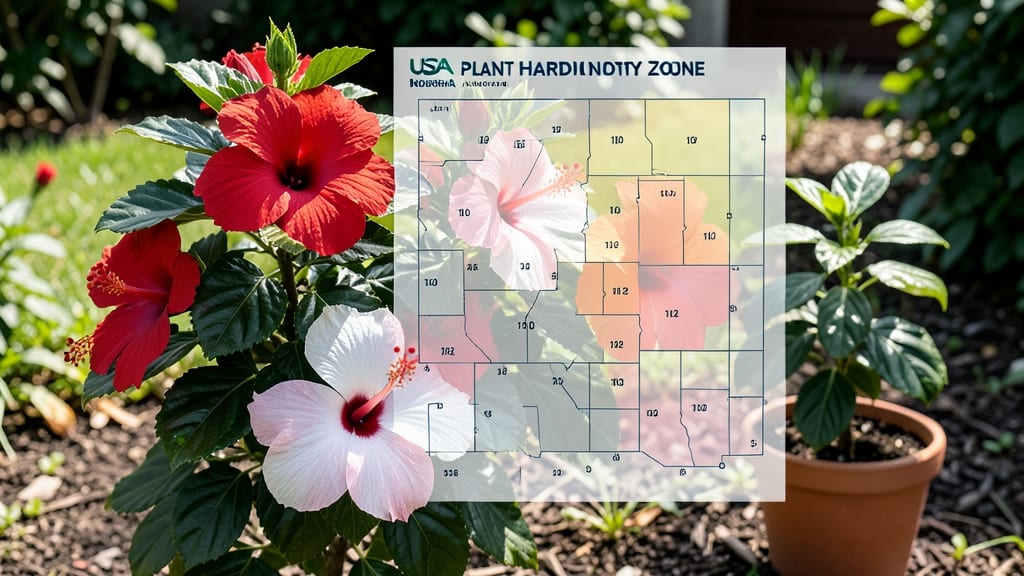
Hibiscus plants grow best in USDA zones 4 through 11, where tropical hibiscus need zones 9-11 for survival, while hardy hibiscus (like Hibiscus moscheutos) thrive in zones 5-9. Cold-resistant varieties such as 'Lady Baltimore' can handle brief chills down to 10°F, but tropical types must be moved indoors when temperatures drop below zone 9.
Understanding hibiscus growing zones starts with recognizing the plant's natural resilience.
Tropical hibiscus, like the classic Hibiscus rosa-sinensis, demand warmer climates because they can't tolerate frost, making them ideal for zones 9-11. 🌸 In contrast, hardy hibiscus varieties like Hibiscus moscheutos have evolved to withstand cooler temperatures, flourishing in zones 5-9.
The key difference lies in their cellular structure—tropical hibiscus lack the protective mechanisms that allow hardy types to survive brief cold snaps down to 10°F.
For gardeners in colder regions, selecting the right variety makes all the difference. Varieties like 'Southern Belle' or 'Dixie' are specifically bred to handle zone 4 winters, while 'Lady Baltimore' offers stunning blooms even in zone 5.
The secret to their success? These plants develop a woody base that insulates the roots, combined with a natural ability to go dormant during freezing temperatures. This adaptability lets them bounce back stronger each spring.
💡 In This Article
- USDA Zones for Hibiscus: Tropical vs Hardy Varieties
- Best Cold-Hardy Hibiscus Varieties for Northern Gardens
USDA zones for hibiscus: tropical vs hardy varieties
The science behind hibiscus cold tolerance comes down to cellular adaptations. Tropical hibiscus like Hibiscus rosa-sinensis lack the protective mechanisms found in hardy species. Their thin leaves and tender stems freeze at 32°F, causing irreversible damage.
In contrast, hardy hibiscus (Hibiscus moscheutos) develop thick, woody stems that act like natural insulation, protecting vascular tissues down to 10°F. This structural difference explains why tropical varieties need zones 9-11 while hardy types thrive in zones 5-9.
USDA zone classifications account for average annual minimum temperatures. Zone 9's 20-30°F winters mark the cutoff for tropical hibiscus survival, as their leaves begin dying at 30°F and roots at 25°F.
Hardy hibiscus, however, can endure these temperatures because their roots contain natural antifreeze proteins that prevent ice crystal formation in cells. The 10°F threshold for varieties like 'Lady Baltimore' comes from field studies showing 90% survival rates at this temperature.
This physiological difference impacts growth patterns dramatically. Tropical hibiscus grow continuously in warm climates, producing blooms year-round, while hardy varieties follow seasonal dormancy cycles. In zone 5, hardy hibiscus may lose foliage but regrow from protected root crowns when temperatures rise above 50°F in spring.
The trade-off? Tropical hibiscus offer vibrant year-round color, while hardy types provide seasonal drama with larger, more resilient blooms.
Microclimates play a crucial role in pushing hibiscus limits. In zone 8, tropical hibiscus might survive near heat-retaining structures or in containers moved to garages during winter. Conversely, hardy varieties in zone 4 can extend their range when planted near south-facing walls that absorb and radiate heat.
This explains why some gardeners successfully grow hibiscus one zone colder than official guidelines suggest.
Water management becomes critical during temperature transitions. Tropical hibiscus need consistent moisture to prevent root stress, while hardy types benefit from dry dormancy.
In zone 6, reducing water to 1 inch per week in fall helps hardy hibiscus prepare for winter, while tropical varieties require 2-3 inches weekly to maintain cellular turgor. This watering contrast highlights why tropical hibiscus struggle in cooler zones—their metabolic needs can't adapt to seasonal temperature shifts.
For visual comparison, tropical hibiscus leaves measure 2-4 inches with delicate serrations, while hardy varieties develop 5-8 inch leaves with thicker textures. This size difference correlates directly with cold tolerance—larger leaves have more surface area for heat loss but also store more moisture for winter survival.
The leaf structure acts like a built-in thermoregulator, explaining why hardy hibiscus maintain blooms even in zone 5 summers.