
Planting
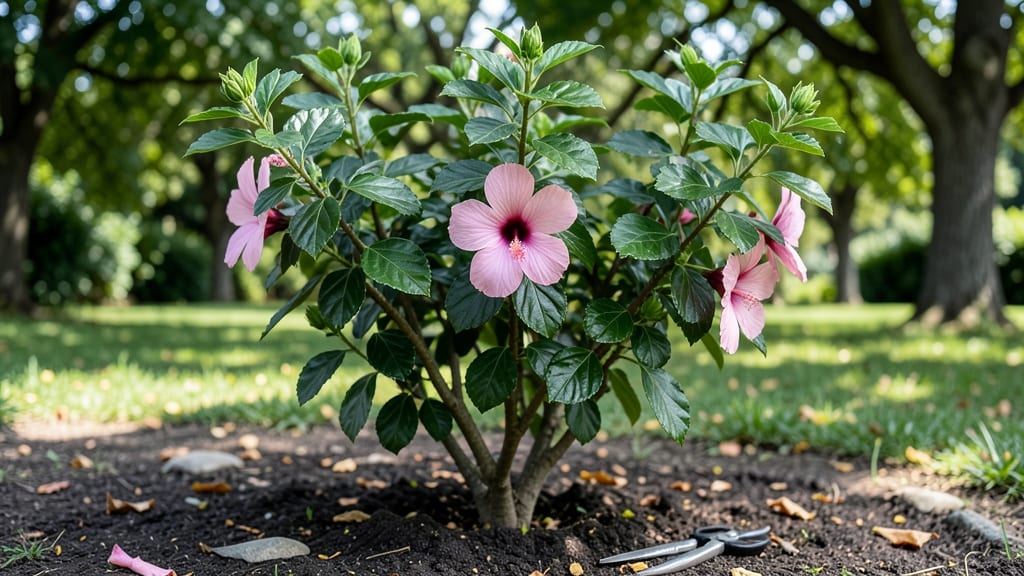
Growing hibiscus in Zone 6 demands careful winter planning since most varieties can't handle temperatures below 15-20°F without protection. Plant after the last frost in late spring, use thick mulch, and either move potted plants indoors or cover them with frost cloth. Tropical hibiscus (Hibiscus rosa-sinensis) almost always needs overwintering, while hardy hibiscus (Hibiscus moscheutos) can survive brief cold snaps with proper care.
Zone 6's chilly winters make hibiscus care tricky, but the right approach can save your plants. 🌱 Hardy hibiscus varieties like Hibiscus moscheutos handle cold better than tropical types, but even they need protection when temperatures drop below 15°F.
The key is timing—plant after the last frost date (usually late May in Zone 6) and prepare for winter by adding 4-6 inches of mulch around the base. For potted hibiscus, move them to a garage or basement before temperatures fall below 40°F at night.
I’ve found that combining mulch with frost cloth creates a microclimate that can protect plants through most winter storms.
What sets hardy hibiscus apart is their natural cold resistance, though they still benefit from winter prep. Tropical hibiscus, on the other hand, are more delicate and often need to be overwintered indoors.
The difference comes down to their genetic origins—hardy varieties evolved in cooler climates, while tropical hibiscus thrive in warmer regions. Understanding this helps you choose the right variety for your zone and care for it properly.
💡 In This Article
- Understanding Hibiscus Cold Hardiness in Zone 6
- Zone 6 Hibiscus Planting and Winter Survival Guide
Understanding hibiscus cold hardiness in Zone 6
The cold hardiness of hibiscus comes down to its cellular structure and genetic adaptations. Hardy hibiscus varieties like Hibiscus moscheutos produce natural antifreeze proteins that prevent ice crystals from forming in their cells, allowing them to survive brief dips to 10-15°F.
Tropical hibiscus, however, lack these proteins and suffer irreversible damage when temperatures drop below 20°F—their cell walls become brittle and rupture under freezing conditions. This is why you'll see tropical hibiscus thriving in Zone 9 but struggling in Zone 6 without protection.
Zone 6's winter temperatures often plummet to -5°F to 10°F, far below what most hibiscus can handle. The critical threshold is 15-20°F, where even hardy varieties begin showing signs of stress like brown leaf edges or stunted growth.
Mulch plays a crucial role here by acting as an insulating blanket—4-6 inches of straw or wood chips can raise soil temperatures by 5-10°F, protecting roots that are far more sensitive to cold than leaves.
Think of it like a thermal barrier that keeps the ground from freezing solid.
What most gardeners don't realize is how quickly hibiscus can recover from cold damage. While tropical varieties often die back completely, hardy hibiscus can regrow from their roots if the crown isn't frozen solid.
This is why pruning back damaged stems in early spring is so effective—it encourages new growth from protected root systems. The key is acting before the ground thaws completely, when the plant is still dormant but roots remain viable.
Another factor is the plant's water content. Fully hydrated cells freeze more easily than those with lower water content, which is why well-drained soil and proper winter watering (but not overwatering) make a difference.
Tropical hibiscus in containers dry out faster in winter, making them even more vulnerable to cold damage. This is why container-grown hibiscus need extra protection—pottery absorbs and releases moisture differently than soil, creating a harsher microclimate for roots.
Consider these hardiness comparisons for common hibiscus types:
- Tropical hibiscus (Hibiscus rosa-sinensis): Zone 9-11 only; dies back at 20°F
- Hardy hibiscus (Hibiscus moscheutos): Zone 5-9; survives to 10°F with protection
- Swamp hibiscus (Hibiscus coccineus): Zone 5-9; tolerates 15°F with mulch
The science behind this involves cellular dehydration tolerance—hardy varieties can lose 50-60% of their cell water without permanent damage, while tropical varieties suffer irreversible cell death at 30% water loss.
This fundamental difference explains why hardy hibiscus can bounce back from winter while tropical types often require complete replanting each spring. 🌿