
Planting
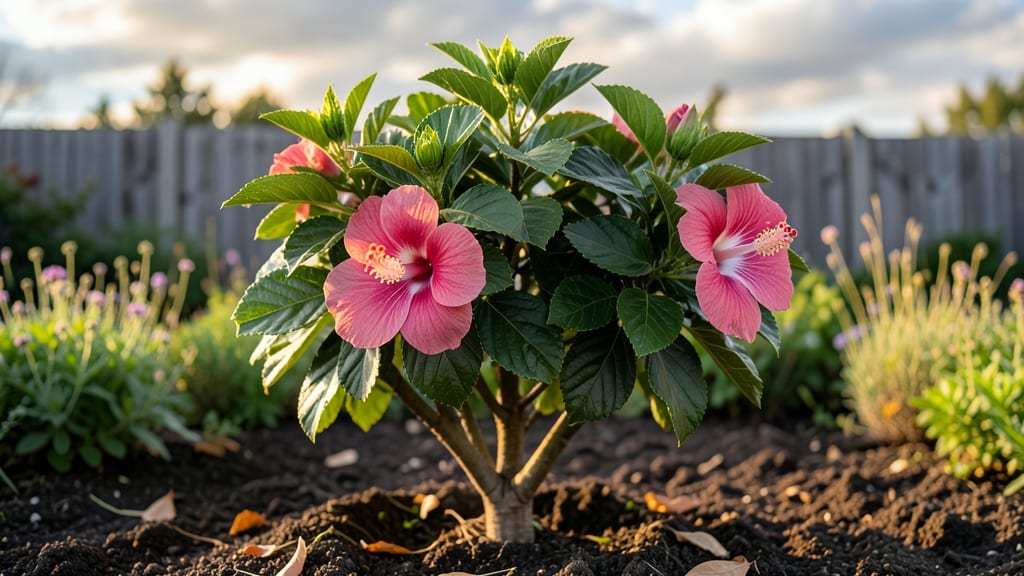
Growing hibiscus in Zone 8 thrives with cold-hardy varieties like Tropical Red or Dwarf Blue, planted in spring after last frost when soil reaches 60°F. Mulch heavily in winter to protect roots, and ensure full sun exposure for vibrant blooms year-round.
Zone 8's mild winters make it possible to grow hibiscus year-round with the right preparation. 🌸 The key is selecting frost-tolerant varieties that can handle occasional dips below freezing, combined with strategic mulching to insulate roots.
I've found that planting after the last frost (typically late March to early April) gives the roots time to establish before summer heat arrives. This timing also avoids transplant shock that can occur if planted too early in still-chilly soil.
What sets Zone 8 apart is its ability to grow both tropical and hardy hibiscus types successfully. While tropical varieties need winter protection, hardy hibiscus can survive light freezes with proper care.
The full sun requirement remains non-negotiable—these plants need at least 6-8 hours of direct sunlight daily to produce their signature vibrant blooms.
💡 In This Article
- Best Hibiscus Varieties for Zone 8 Climates
- Zone 8 Hibiscus Planting and Winter Care Guide
Best hibiscus varieties for Zone 8 climates
Zone 8's climate creates a perfect balance for growing hibiscus, but not all varieties handle its 20-30°F winter dips equally well. Tropical hibiscus (like Tropical Red) can survive Zone 8 winters if protected, while hardy hibiscus (like Dwarf Blue) naturally tolerate light freezes down to 15°F.
The key difference lies in their root systems—hardy varieties develop deeper, more insulating root structures that store energy for regrowth after cold snaps.
For vibrant summer blooms, Tropical Red stands out with its bold crimson flowers that thrive in full sun and heat. This variety typically blooms from early summer through fall, producing 5-7 inch flowers that attract hummingbirds.
In contrast, Dwarf Blue offers sky-blue blooms and a more compact 3-4 foot height, making it ideal for smaller gardens or container growing. Both varieties share a similar 3-5 foot mature height but differ in their cold tolerance thresholds.
What most gardeners don't realize is that hibiscus varieties also differ in their growth patterns. Tropical types grow faster but require more winter protection, while hardy varieties establish more slowly but need less maintenance.
The trade-off is that hardy hibiscus often bloom later in the season (June vs. May for tropical types) but continue flowering until first frost. This delayed but extended bloom period makes them ideal for Zone 8's 90-100°F summer temperatures.
Soil preferences also vary significantly between types. Tropical hibiscus prefers well-draining, slightly acidic soil (pH 6.0-6.5) rich in organic matter, while hardy varieties adapt better to neutral soil (pH 6.5-7.0) with good drainage.
In Zone 8's heavy clay soils, amending with 2-3 inches of compost before planting can make all the difference in root health and bloom production. The right soil preparation helps prevent root rot during summer's intense heat.
Color intensity is another fascinating difference. Tropical varieties develop their most vibrant hues when exposed to full sun (6+ hours daily), while hardy types maintain their color even in partial shade.
This makes tropical hibiscus ideal for sunny garden borders, while hardy varieties can thrive in mixed borders where they might receive 4-6 hours of morning sun. The color difference comes from higher anthocyanin production in tropical types when exposed to intense sunlight.
For gardeners in Zone 8, the best approach often combines both types. Planting Tropical Red in a sheltered microclimate (like near a south-facing wall) while using Dwarf Blue in more exposed areas creates a stunning seasonal display.
The tropical variety will kick off the blooming season while the hardy type takes over as summer progresses. This strategy maximizes your flowering window from early summer through fall.