
Container Gardens
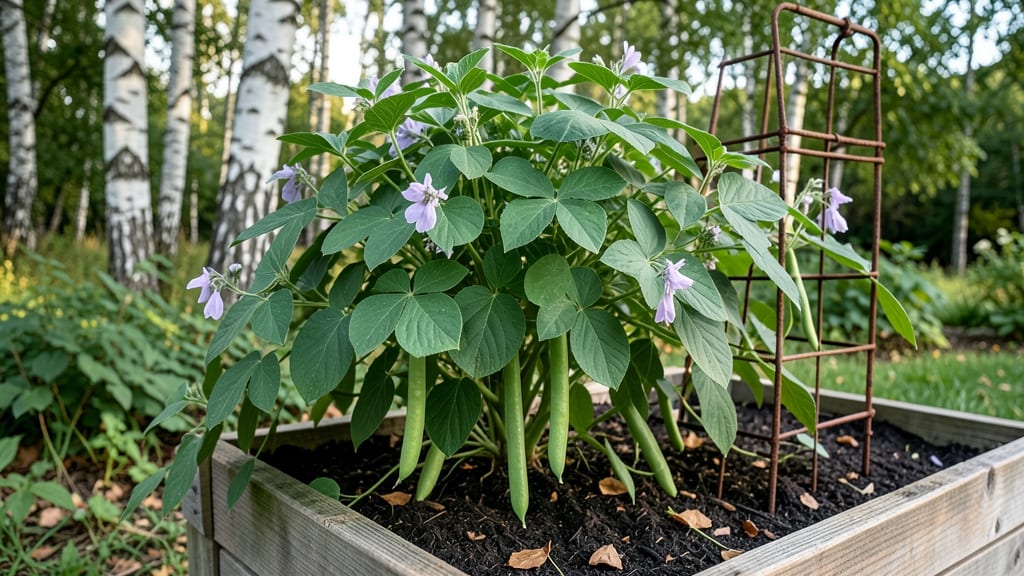
Ice cream bean trees grow best in USDA hardiness zones 10 through 12, where they enjoy tropical warmth year-round and minimal frost exposure. These trees demand temperatures consistently above 50°F (10°C) and thrive in well-draining soil to avoid root issues, often requiring creative solutions like container growing in cooler climates.
Native to Central and South America, these trees evolved in environments where humidity stays high and temperatures rarely dip below 60°F (15°C). 🌿 Without these conditions, their delicate roots struggle—even a single frost can kill the plant.
Many gardeners in zones 9 and below use large containers with wheels to move trees indoors during winter, while others create microclimates with shade cloths or greenhouses. The key is mimicking their natural habitat as closely as possible, which often means prioritizing warmth over traditional outdoor planting.
What sets ice cream bean trees apart is their sensitivity to temperature swings. Unlike citrus or avocado trees, they can't tolerate even brief cold snaps, making them perfect candidates for indoor gardening in cooler regions.
I've seen them thrive in sunny kitchen windows with supplemental grow lights during winter months, proving that with the right adjustments, you can grow them almost anywhere—just not outside in colder zones.
💡 In This Article
- USDA Zones 10-12: Ideal Climate Conditions for Ice Cream Bean Trees
- Container Growing and Microclimate Hacks for Cooler Zones
USDA zones 10-12: ideal climate conditions for ice cream bean trees
Ice cream bean trees (Inga edulis) evolved in tropical lowland forests where temperatures hover between 75-90°F (24-32°C) year-round, making USDA zones 10-12 their perfect match.
The upper limit of zone 12 can handle brief dips to 25°F (-4°C), but ice cream bean trees begin showing stress at 55°F (13°C)—their leaves yellow and growth stalls.
In their native habitats of Central and South America, these trees experience high humidity (70-90%) and consistent rainfall, with monsoon seasons providing the moisture they crave.
The real magic happens in how these trees adapt to their environment.
Their broad, compound leaves have a waxy coating that reduces water loss, while their extensive root systems seek moisture deep underground—critical adaptations for their tropical home. 🌴 In zone 11, where temperatures can drop to 40°F (4°C) at night, these trees still thrive because the soil remains warm from summer heat retention.
This thermal mass effect keeps roots from chilling, which is why gardeners in marginal zones must replicate this warmth artificially.
What most people don't realize is how humidity affects their growth. Ice cream bean trees need at least 50% humidity to prevent leaf scorch and bud drop. In dry zone 10 climates, you'll see them wilt by mid-afternoon unless you provide daily misting or use a humidity tray.
The pods themselves—those sweet, custard-like treats—only develop properly when humidity stays above 60% during flowering, which typically occurs in spring. This explains why container-grown trees in dry climates often produce fewer pods than their outdoor counterparts in tropical zones.
Seasonal shifts matter too. In zone 12, the dry season can push temperatures to 105°F (40°C), but these trees handle it better than frost. Their leaves fold slightly to conserve moisture, and they enter a semi-dormant state.
However, the real test comes when cooler air arrives—even a 50°F (10°C) night can trigger leaf drop if the tree isn't acclimated. This is why gardeners in zone 11 often bring potted trees indoors before 60°F (15°C) nights arrive, creating a controlled environment where they can monitor temperature swings precisely.
Consider these key climate factors when evaluating your growing conditions:
- Temperature thresholds: 75-90°F (24-32°C) ideal for growth, below 55°F (13°C) causes stress
- Humidity needs: 70-90% for optimal pod development, minimum 50% to prevent leaf damage
- Soil warmth: Roots need 65°F (18°C) minimum—cold soil = stunted growth
- Rainfall patterns: 40+ inches annually preferred; drought stress appears at below 20 inches
The science behind their frost sensitivity lies in their cellular structure. Ice cream bean trees lack the antifreeze proteins found in cold-hardy plants like maples. Instead, they rely on rapid water uptake and leaf folding to survive heat stress—a strategy that fails when temperatures drop.
This biological limitation is why even a 32°F (0°C) frost will kill them, making microclimate control your best defense in marginal zones. 🌡️