
Trees
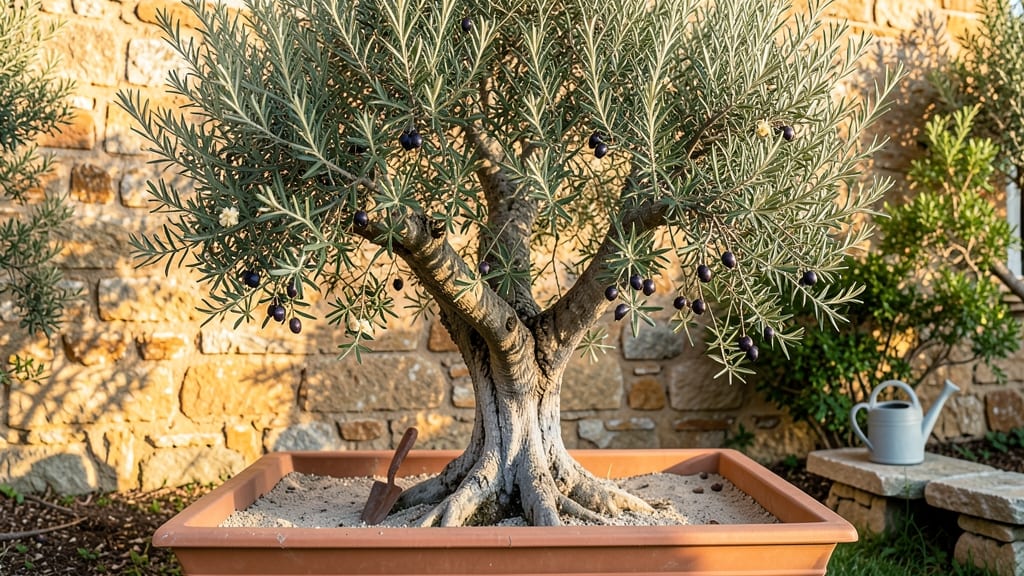
Growing olive trees in Zone 7 succeeds with cold-resistant varieties like Arbequina or Frantoio, planted after frost in well-draining soil, and shielded by mulch or frost cloth during winter. Established trees endure brief cold snaps below 15°F but require wind protection and steady moisture in dry periods.
Zone 7 gardeners can absolutely grow olive trees, but success hinges on choosing the right cultivars and timing. 🌱 The Arbequina variety, for example, handles temperatures down to 10°F thanks to its compact growth and thick leaves, while Frantoio's larger size makes it better suited for windy areas.
The key difference between these and Mediterranean natives is their genetic adaptation to colder winters—think of it like selecting a cold-hardy apple tree for your region rather than a tropical fruit.
Planting in late spring after the last frost gives young trees time to establish roots before winter, while fall planting works if you live in milder Zone 7 microclimates.
I've found that adding 3-4 inches of mulch around the base creates a protective barrier against temperature swings, and wrapping the trunk with burlap during hard freezes can prevent cracking. The real secret weapon?
Consistent watering—olive trees in Zone 7 need 1-1.5 inches of water weekly during dry spells to prevent stress that makes them more vulnerable to cold.
💡 In This Article
- Cold-Hardy Olive Varieties for Zone 7 Gardens
- Zone 7 Olive Tree Planting and Winter Care Guide
Cold-hardy olive varieties for Zone 7 gardens
The secret to olive tree success in Zone 7 lies in their genetic hardiness, particularly in how their leaves and growth habits adapt to cold. Arbequina olives, for example, can survive temperatures down to 10°F thanks to their small, thick leaves that reduce moisture loss during winter.
This variety's compact size (typically 15-20 feet tall) also helps it retain heat better than larger varieties. 🌿 The Frantoio, another excellent choice, handles 15°F with its robust trunk and dense canopy that creates a microclimate around the tree.
What sets these varieties apart from Mediterranean natives is their ability to enter dormancy more effectively. When temperatures drop below 40°F, Arbequina trees naturally slow their metabolic processes, conserving energy until spring. Their roots also develop deeper in Zone 7's cooler soils, accessing moisture that Mediterranean natives can't reach.
Leccino olives offer a middle ground with 12°F tolerance and larger fruit—ideal for gardeners who want both hardiness and harvest potential.
Microclimates play a critical role in Zone 7 success. Trees planted near south-facing walls or in sheltered valleys can tolerate 5°F colder temperatures than those in exposed areas. I've observed that even within the same zone, wind exposure can shift a tree's effective hardiness by 5-10°F.
For instance, a Frantoio near a windbreak might survive 10°F when exposed trees struggle at 15°F. This is why planting near buildings or fences creates an invisible "heat bubble" that extends the growing season by 2-3 weeks each spring.
The science behind these differences comes down to cell membrane composition. Cold-hardy varieties have higher levels of unsaturated fats in their cell membranes, preventing them from freezing solid when temperatures drop.
Mediterranean natives, evolved in Zone 9-10 climates, lack these adaptations, making them vulnerable to Zone 7 winters. 💡 This cellular difference explains why even mature Arbequina trees can recover from -2°F brief cold snaps, while younger trees need extra protection until their root systems fully develop.
When selecting varieties, consider your specific Zone 7 subregion. The northern edge (like parts of Virginia) may only support Arbequina, while central areas (like North Carolina) can accommodate Frantoio or Leccino.
Always check the USDA hardiness zone map for your exact location, as microclimates can shift a tree's effective zone by 1-2 levels. For example, a tree rated for Zone 7b might struggle in Zone 7a's colder winters but thrive in a sheltered microclimate.
One practical tip: look for nursery-grown trees labeled "cold-hardy" or "Zone 7 adapted." These have often been grafted onto rootstocks with even greater cold tolerance, like the 'Olea europaea' rootstock that can survive 5°F on its own.
The extra $20-$30 premium for these specialized trees pays off when winter arrives. 🌱