
Companion Plants
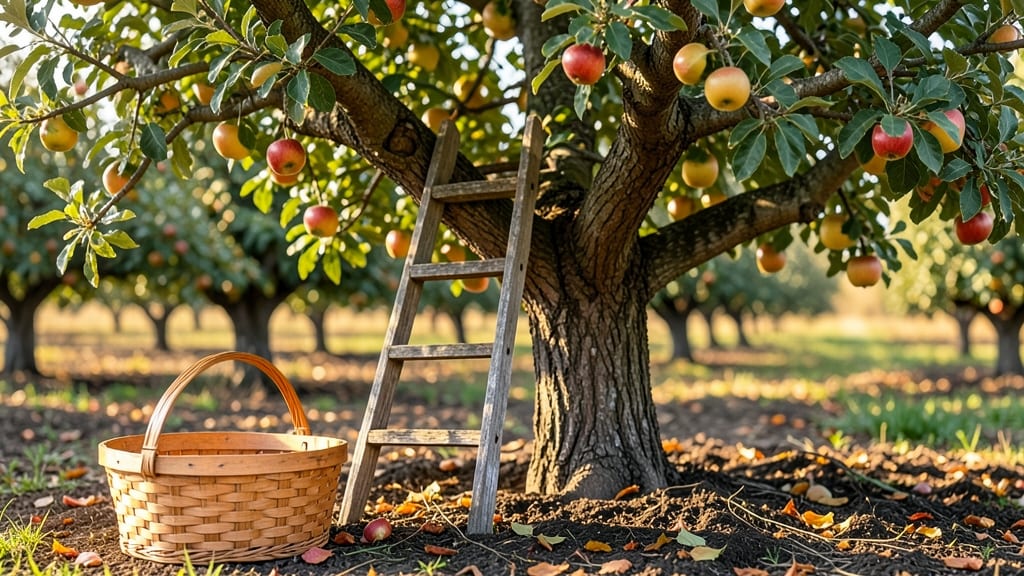
Apple picking season in 2024 depends on your location, with harvests beginning mid-August in warmer southern areas like Florida and Georgia, hitting their peak in September-October across the Northeast and Midwest, and wrapping up by November in cooler regions like New England. Always verify with local orchards, as weather and apple varieties can shift timelines.
Right now, whether you're in the heart of apple country depends entirely on where you live. 🍏 Southern orchards often kick off harvests earlier, while northern regions may still be waiting for peak season.
For example, Honeycrisp apples typically ripen later than Fuji, so orchards in Pennsylvania might have early varieties ready by late August but save their Honeycrisp for September. I always recommend calling ahead or checking orchard websites, since unexpected rain or heatwaves can push back harvests by weeks.
What's interesting is how orchards adapt—some even offer "second harvest" events for late-ripening varieties. This means you might catch a second chance to pick in late fall if you missed the initial rush.
Pro tip: Bring a small cooler and reusable bags, as many orchards now limit how many apples you can take home to preserve the crop for everyone.
💡 In This Article
- How Climate and Apple Varieties Affect Picking Seasons
- Best Apple Picking Regions and Orchard Tips for 2024
How climate and apple varieties affect picking seasons
Apple harvest timing hinges on two key factors: your region's hardiness zone and the specific apple variety's ripening cycle. Warmer southern climates (zones 7-9) like Florida and Georgia experience earlier harvests—starting as early as mid-August—because their longer growing seasons accelerate fruit maturation.
In contrast, northern orchards (zones 4-6) like those in New England often wait until October or November when cooler temperatures slow ripening but preserve sweetness. The difference? A 6-8 week shift between regions!
Apple varieties play an equally critical role in timing. Early-season apples like McIntosh or Gala ripen first (typically August-September), while late varieties such as Honeycrisp or Cortland hold onto their crispness until October-November.
Orchards strategically plant multiple varieties to extend their picking windows—some even offer "second harvest" events for late-ripening apples. For example, Washington State's Fuji apples often peak in late September, while Michigan's Ambrosia apples may not be ready until October.
Weather acts as the ultimate wildcard. A late spring frost can delay blossoming, while summer droughts stress trees and push back ripening.
I've seen orchards adjust harvest dates by 2-3 weeks due to unpredictable weather—like the 2023 heatwave that forced some Pennsylvania orchards to harvest early to prevent sunburn on Honeycrisp apples. The science? Apples need consistent temperatures between 60-85°F during growing season, with cooler nights to develop sugar content.
Too much heat or cold disrupts this balance.
Here's what this means for you: If you're planning a trip, check orchard websites for variety-specific harvest windows. Early varieties like Gala might be ready in August in Georgia, while late varieties like Cortland won't appear until November in Maine.
Pro tip: Call ahead—some orchards update their schedules weekly based on fruit tests and weather forecasts. The goal? Picking apples at peak ripeness when their starches convert to sugars and their crisp texture is at its best.
One fascinating detail: Apple trees actually continue ripening after being picked. That's why orchards use a simple test—press the apple with your thumbnail. If it leaves a slight indentation, it's ready! The color change (from green to red/yellow) is more about sunlight exposure than ripeness.
This is why you'll sometimes see green apples that are perfectly sweet—like Granny Smith varieties that stay firm and tangy regardless of color. 🍎
Orchards also use a tool called a refractometer to measure sugar content (aiming for 10-12% soluble solids for ideal flavor). This precision explains why harvest dates can vary even between nearby orchards—some prioritize sweetness, others focus on texture.
For example, Honeycrisp apples need 150-180 days from blossom to harvest, while McIntosh matures in just 120-140 days. That's a 30-day difference in growing time!