
Trees
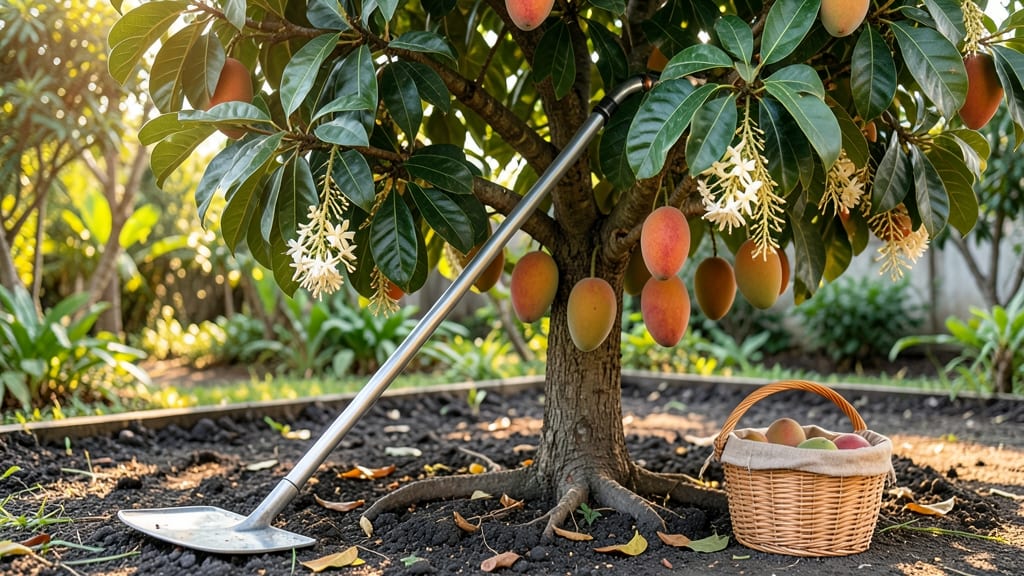
Right now, mango season depends on your location: in the U.S., peak harvest typically runs from May through September, with Florida’s early varieties ripening as early as March, while California and Hawaii extend availability into late fall. Check USDA Zone 10–12 for year-round production and Zone 9 for extended late-spring to early-autumn harvests.
Mango availability shifts dramatically across regions—Florida's early varieties kick off the season as soon as March, while California's peak runs through July and August. 🌱 For the freshest fruit, look for locally grown mangoes at farmers' markets, where you'll often find varieties like 'Haden' or 'Tommy Atkins' at their sweetest.
If you're in Zones 10–12, you might even find ripe mangoes year-round, though their flavor peaks during summer months when trees produce the most natural sugars.
What's interesting is how altitude affects ripening: higher elevations in Hawaii can produce fruit slightly later than coastal areas, while Florida's lower humidity actually helps early varieties ripen faster.
This regional variability means your best bet for seasonal mangoes is to check local orchards or specialty grocers—don't just rely on what's labeled "in season" at big-chain stores, as they often carry imported fruit year-round.
💡 In This Article
- Mango Season by USDA Hardiness Zones and Geographic Regions
- How to Tell When Mangoes Are Truly In Season
Mango season by USDA hardiness Zones and geographic regions
Mango trees thrive in warm climates, and their ripening cycles are directly tied to temperature and daylight hours. In USDA Zones 10–12, where frost is rare, mangoes can produce fruit year-round, though peak ripening occurs during summer months when temperatures consistently stay above 75°F.
For example, Hawaii's Kona district (Zone 12) sees continuous harvests, with varieties like 'Kau' and 'Ice Cream' ripening in waves from spring through winter. Meanwhile, Florida's Zone 10 orchards experience an early rush in March and April, thanks to their mild winters and long growing season.
The key factor influencing ripening is the tree's response to hormonal changes triggered by temperature shifts. When nights dip below 60°F for extended periods, mango trees enter dormancy, halting fruit development.
This explains why California's Zone 9–10 harvest peaks in July and August—the heat of summer provides ideal conditions for fruit to mature in just 4–6 months from flowering.
Higher elevations, like those in the Big Island's Mauna Loa region, may see fruit ripen 2–4 weeks later than coastal areas due to cooler nighttime temperatures.
For home gardeners, knowing your zone helps predict harvest timing. In Zone 9, expect your first ripe mangoes around June or July if planted from seed, while grafted trees (which mature faster) may bear fruit as early as spring of the second year.
The 'Julie' variety, popular in Florida, ripens in late June, while 'Carrie' varieties in California reach peak sweetness in August. These timing differences matter because tree-ripened mangoes develop 30–50% more natural sugars than those picked early and forced to ripen with ethylene gas.
Climate also affects fruit quality. Florida's humid subtropical climate produces mangoes with a slightly firmer texture and more intense tropical aroma, while California's Mediterranean climate yields fruit with a creamier, almost buttery mouthfeel.
The difference comes down to water availability: Florida's frequent rains can dilute sugar concentration, while California's controlled irrigation systems concentrate flavors. 🌿 This is why a mango from a Florida tree in June might taste different from one in a California orchard in August—even if both are "in season."
If you're growing mangoes at home, pay attention to your local microclimate. Urban areas with heat islands (like Miami or Phoenix) may see fruit ripen 1–2 weeks earlier than rural counterparts due to higher ambient temperatures.
Conversely, coastal regions with breezes often produce fruit with thinner skins and brighter colors, while inland orchards yield fruit with thicker, more protective skins to combat heat stress.
For shoppers, understanding these regional patterns helps identify truly seasonal fruit. Look for mangoes labeled with their growing region—Florida's 'Haden' varieties in spring, California's 'Ataulfo' in summer, or Hawaii's 'Keitt' in fall.
These labels indicate fruit that's been harvested at peak ripeness, not shipped from distant farms where it may have been picked green and gassed to ripen artificially.