
Container Gardens
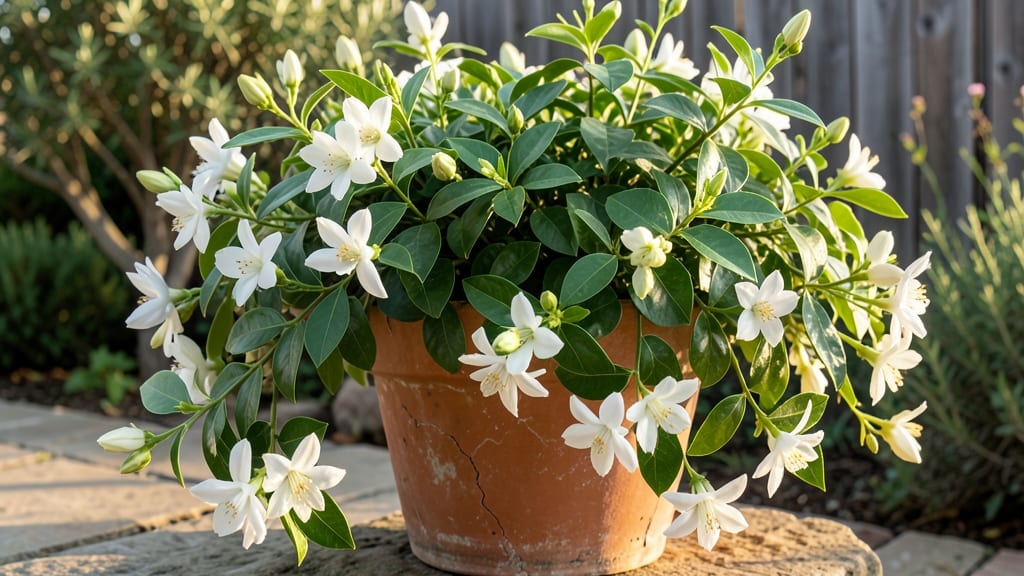
Jasmine thrives best in USDA growing zones 7 through 10, where its delicate blooms flourish under warm climates and gentle winters. Varieties like Arabian jasmine (zone 9-11) and common jasmine (zone 7-10) each have specific climate preferences, requiring careful soil and sunlight management.
Choosing the right growing zone for jasmine isn't just about temperature—it's about creating the perfect balance of warmth and protection. 🌿 In cooler zones like 6 or 7, you'll need winter mulch or container growing to shield roots from frost, while zone 10 gardens may require afternoon shade to prevent leaf scorch.
I've found that even within these zones, microclimates (like sunny south-facing walls) can extend jasmine's growing range by 1-2 zones.
For container gardeners in marginal zones, selecting cold-hardy varieties like Winter jasmine (zone 5-8) opens up possibilities. These varieties bloom earlier in the season, giving you fragrant flowers even when summer hasn't fully arrived.
The key is matching your jasmine type to your local climate patterns rather than just the zone number.
💡 In This Article
- Understanding USDA Zones for Jasmine Cultivation
- Best Jasmine Varieties by Climate Region
Understanding USDA zones for jasmine cultivation
The USDA growing zones for jasmine—primarily zones 7 through 10—reflect the plant's need for winter lows between 0°F and 30°F and summer highs around 80-90°F. In zone 7, where winters dip to 0-10°F, jasmine may struggle without winter protection like mulch or microclimates.
The plant's roots, which are particularly sensitive to cold, can suffer damage below -5°F, even for hardier varieties.
Zone 8 (10-20°F winters) is the sweet spot for most jasmine types, where they experience just enough chill to trigger dormancy but not enough to cause permanent harm. In zone 9 (20-30°F winters), jasmine thrives with minimal care, blooming prolifically in spring and fall.
The real challenge comes in zone 10 (30-40°F winters), where summer heat and humidity can stress the plant—this is why afternoon shade becomes critical to prevent leaf burn.
Microclimates play a surprising role in extending jasmine's growing range. A sunny south-facing wall can add 2-3°F of warmth, allowing zone 6 gardeners to grow jasmine in containers that can be moved indoors during winter.
Similarly, urban areas with heat-island effects may support jasmine a zone higher than their official classification. The key is observing your local frost dates—jasmine needs 150-200 frost-free days annually to establish and bloom properly.
For gardeners in marginal zones (6 or below), Winter jasmine (Jasminum nudiflorum) is the exception, tolerating down to -25°F when properly mulched. This variety blooms on bare stems in late winter, offering fragrance when most gardens are still dormant.
The trade-off? Its flowers are less fragrant than summer-blooming varieties, but the hardiness makes it invaluable for cooler climates.
Soil temperature matters just as much as air temperature. Jasmine roots prefer 60-70°F soil in spring to wake from dormancy, while summer soil temps above 85°F can stress the plant.
In hot climates, drip irrigation and mulch help maintain stable soil temperatures. The plant's shallow root system means it's particularly sensitive to temperature fluctuations at the soil surface.
What most people overlook is how humidity interacts with these zones. In zone 9 and 10, high humidity can promote fungal diseases like powdery mildew, while zone 7 gardens may struggle with dry winds that desiccate leaves.
The solution? Balancing airflow with strategic pruning and choosing disease-resistant varieties like Jasminum officinale (common jasmine) for humid areas.
Remember: while zone numbers provide a starting point, your local climate patterns—like coastal moderation or inland heat—often matter more. A zone 7 garden near the ocean may thrive with jasmine where a zone 7 inland location would struggle.
Always monitor your plant's response to local conditions and adjust care accordingly. 🌱